
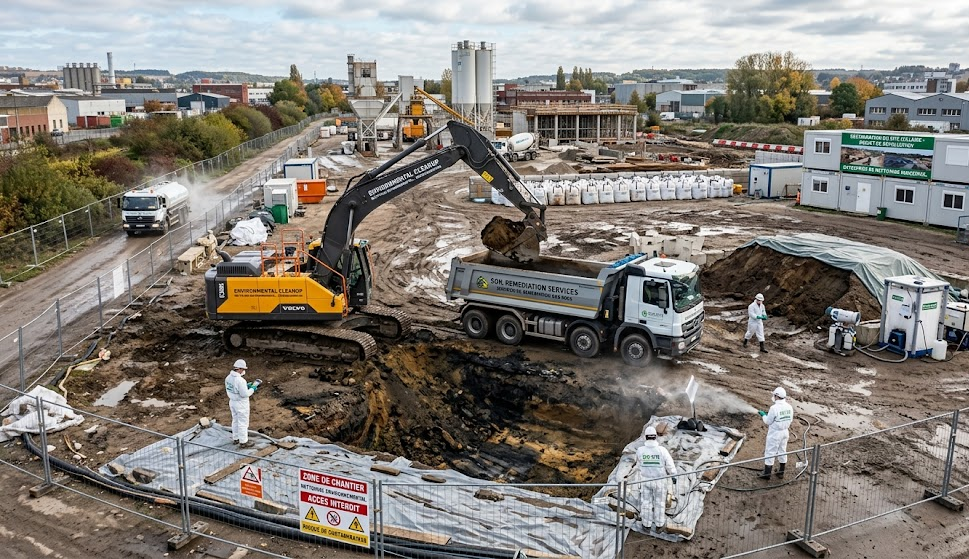
As environmental concerns grow, the importance of managing facilities like dry wells has come to the forefront. These crucial systems play a significant role in stormwater management, but their maintenance and remediation are vital to prevent soil and groundwater contamination. In this article, we explore effective professional solutions for drywell remediation and clean-up, underscoring their impact on environmental health.
Understanding Drywells and Their Importance
To appreciate the need for drywell remediation, it’s essential to understand what drywells are and their role in waste management.
What Are Drywells?
Drywells are underground structures used to manage stormwater runoff, allowing water to percolate into the ground. They are commonly utilized in urban areas where natural drainage is insufficient.
The Role of Drywells in Waste Management
Drywells help mitigate flooding by absorbing excess water. However, they can also become contaminated with hazardous substances, necessitating proper remediation.
Common Contaminants and Risks
Identifying the types of contaminants that can affect drywells is crucial for effective remediation strategies.
Types of Contaminants
Contaminants can vary significantly, impacting the remediation process. Common types include:
- Heavy metals: Lead, mercury, and arsenic can leach into drywells, posing health risks.
- Petroleum products: Oil spills or leaks can contaminate the groundwater around drywells.
- Biological contaminants: Bacteria and pathogens from waste can also infiltrate drywell systems.
Health and Environmental Risks
The presence of contaminants in drywells can lead to various health and environmental issues, such as:
- Water contamination: Polluted water can enter the groundwater supply, affecting drinking water quality.
- Soil degradation: Contaminants can harm soil health and disrupt local ecosystems.
- Regulatory non-compliance: Failing to address contamination can result in legal penalties and reputational damage.
Professional Remediation Techniques
Implementing professional remediation techniques is essential for effective drywell clean-up.
Assessment and Planning
The first step in the remediation process is a thorough assessment of the drywell and its surrounding environment. This phase involves:
- Site evaluation: Professionals conduct a detailed examination of the drywell to identify contaminants.
- Soil and water testing: Samples are taken to analyze the extent of contamination and determine the best remediation approach.
- Regulatory compliance review: Ensuring adherence to local, state, and federal regulations is critical.
Remediation Methods
Once the assessment is complete, various remediation methods can be employed, including:
- Excavation: Contaminated soil can be excavated and disposed of safely.
- Bioremediation: This method uses microorganisms to break down contaminants in the soil.
- Soil washing: A process that removes contaminants from soil using water and chemical additives.
Post-Remediation Monitoring and Maintenance
After remediation, ongoing monitoring and maintenance are vital to ensure the long-term effectiveness of the clean-up efforts.
Establishing a Monitoring Plan
Implementing a structured monitoring plan allows for the early detection of any potential contamination resurgence. Key elements include:
- Regular water quality testing: Routine assessments help ensure that groundwater remains uncontaminated.
- Soil sampling: Ongoing soil tests can identify any residual contaminants.
- Monitoring for new contaminant sources: Keeping an eye on nearby operations that could introduce new risks is essential.
Maintenance Practices
Routine maintenance practices can help prolong the effectiveness of the remediation efforts, including:
- Regular inspections: Frequent checks of the drywell and surrounding area can identify potential issues early.
- Prompt repairs: Addressing any structural issues immediately can prevent contamination from reoccurring.
- Community engagement: Keeping local stakeholders informed fosters trust and collaboration in maintaining safety standards.
Conclusion
Drywell remediation and clean-up are complex but necessary processes for protecting the environment and public health. Engaging professional services ensures that these tasks are handled efficiently and in compliance with regulations. If you’re facing challenges with drywell contamination, consider reaching out to a professional for expert assistance.


