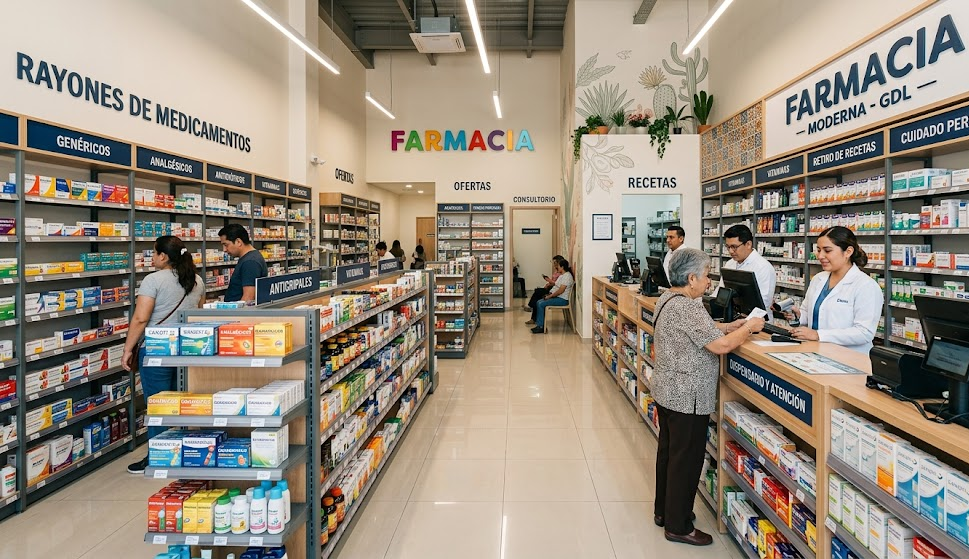
As expatriates settle in Mexico, they often encounter a diverse landscape of pharmacies that provide a unique mix of healthcare solutions. From over-the-counter medications to prescribed treatments, understanding how to navigate these options can significantly enhance their wellness journey. This article delves into the essential healthcare services offered in Mexican pharmacies, ensuring a more informed experience for newcomers.
Understanding the Types of Pharmacies in Mexico
Mexican pharmacies come in various types, each catering to specific needs and preferences. By exploring these distinctions, expatriates can select the best options for their health requirements.
Major National Chains
The most prominent pharmacies in Mexico include chains such as Farmacias del Ahorro, Farmacias Guadalajara, and Farmacias San Pablo. These establishments have extensive networks across urban and rural areas, offering a wide range of pharmaceuticals and health services. Their larger inventory and quality assurance systems mean they can reliably provide medications sourced from reputable suppliers.
Neighborhood Pharmacies
Another common sight is the independent neighborhood pharmacies, or farmacias de barrio. Often smaller and less stocked than national chains, these pharmacies can be more convenient for quick purchases. They typically have a more localized approach and might carry specific medications suited for community health needs.
Supermarket Pharmacies
Supermarkets such as Walmart and Chedraui also feature pharmacies within their establishments, which provide a unique one-stop-shop experience. Here, expats can combine grocery shopping with prescription refills, often at competitive prices. These pharmacies also frequently employ qualified pharmacists to assist with customer queries.
Making Use of the Consultorio System
One of the standout features of Mexican healthcare is the consultorio system, which revolutionizes how minor health issues are addressed.
What is a Consultorio?
A consultorio is a small clinic attached to a pharmacy, where licensed physicians provide immediate care. Patients can walk in without appointments and receive consultations for minor ailments. This setup makes it easy to get a prescription and fill it right next door, embodying the convenience of modern healthcare.
Limitations and Care Levels
While incredibly convenient for addressing common health concerns, consultorios do have limitations. They are not equipped for severe conditions, diagnostics, or chronic disease management. Understanding when to use this service versus more advanced medical facilities is essential for expatriates, especially for those navigating longer-term health issues.
Over-the-Counter Medications: Freedom and Responsibility
Mexican pharmacies offer a vast array of over-the-counter medications, providing expats with accessible options for managing health proactively. However, this freedom comes with a responsibility to understand proper usage.
Available OTC Medications
Numerous medications that require prescriptions in other countries can be acquired directly in Mexico. These include:
- Muscle relaxants
- High-dose anti-inflammatory drugs
- Specific contraceptive pills and asthma inhalers
This easy access empowers individuals to take charge of their health. However, self-medication can pose risks without proper guidance. It’s wise to do thorough research or consult a healthcare professional before making decisions.
Brand Name vs. Generic Options
In the realm of over-the-counter medications, consumers face the choice between brand name (“medicamentos de patente”) and generic (“medicamentos genéricos”) drugs. Understanding this distinction is critical for effective healthcare management. Generics are often significantly more affordable and, under COFEPRIS regulations, must pass rigorous testing to ensure they are bioequivalent to their branded counterparts.
Navigating Prescription Medications in Mexico
Prescription medications carry different regulations and require adherence to specific processes. Familiarizing oneself with these guidelines is imperative for expatriates.
How Prescriptions Work
For medications that require prescriptions, it’s necessary to have a receta médica issued by a licensed Mexican doctor. These prescriptions must include specific details such as the physician’s credentials and their federally issued medical license number. The validity of prescriptions is also limited, typically lasting only 72 hours.
Antibiotics and Controlled Substances
Antibiotics can only be obtained through a doctor’s prescription due to the rising issue of antibiotic resistance. Similarly, controlled substances, including narcotic painkillers, require a specialized prescription pad. It is advisable for expats to establish relationships with healthcare providers upon arrival to ensure timely access to necessary medications.
Utilizing Health Services Effectively
Expats need to consider various factors when accessing health services through pharmacies.
Addressing Communication Barriers
Language barriers can pose significant challenges in pharmacies. While pharmacists are knowledgeable, many may not speak fluent English. Expatriates should prepare by bringing a list of medication names, preferably the active ingredient names, written down in Spanish to facilitate communication.
Exploring Payment Options and Costs
Cost savings are often substantial in the Mexican pharmaceutical market. Basic medications, particularly generics, can be a fraction of the price compared to North America. Pharmacies typically accept various payment methods, including cash and credit cards, so it’s wise to compare options across different locations for the best prices.
Overall, understanding the landscape of healthcare solutions available in Mexican pharmacies can significantly empower expatriates. Whether managing chronic conditions or addressing minor ailments, familiarity with these services ensures a smoother healthcare journey and promotes greater well-being.