
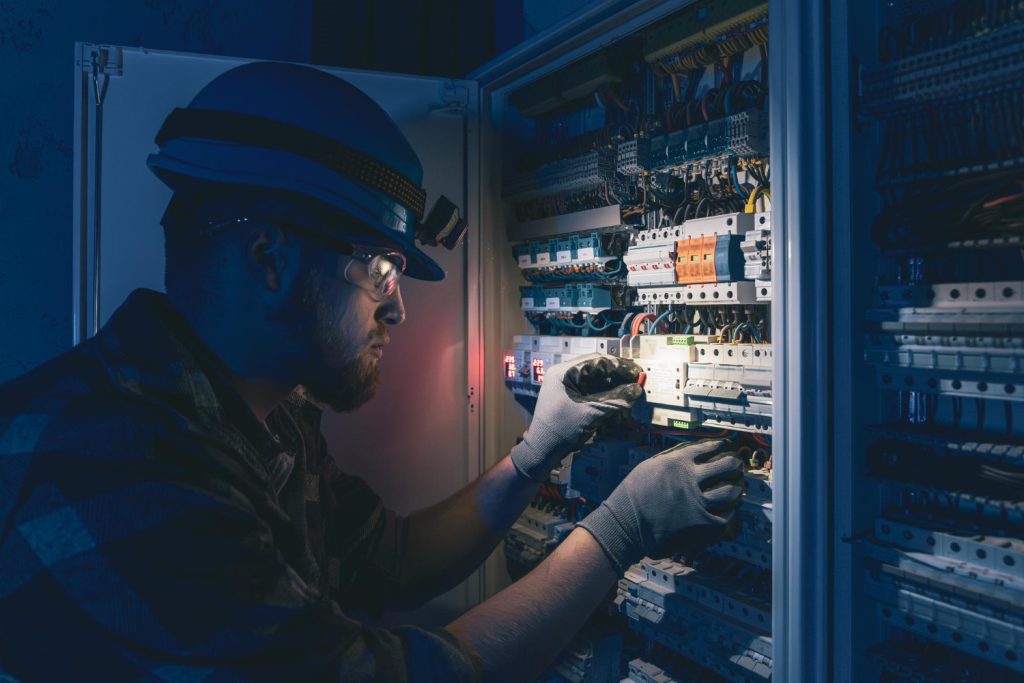
When faced with electrical projects, property owners must determine whether to hire a commercial electrician or a residential electrician. At the forefront of this decision lies a fundamental yet significant difference—the *scope of work* they handle. Residential electricians are primarily focused on individual homes, dealing with day-to-day electrical setups such as lighting, wiring systems, and maintenance within domestic environments. In contrast, commercial electricians specialize in larger facilities, ranging from office buildings to factories, where the electrical needs are far more complex and energy-intensive.
Understanding Residential Electrical Work
Residential electrical work places a stronger emphasis on safety and appearance compared to its commercial counterpart. House wiring must adhere to standards set forth by the National Fire Protection Association, incorporating safeguards such as Ground Fault Circuit Interrupters (GFCIs) in potentially hazardous areas like kitchens and bathrooms. These safety measures aim to prevent electrocution and significantly reduce the risk of fires.
The scope of *residential wiring* is often simpler, focusing on the installation of systems designed for immediate household needs, such as lighting, refrigerator circuits, and home entertainment systems. While this may sound straightforward, it is indeed a meticulous line of work that requires adept problem-solving abilities to ensure all systems function seamlessly within the constraints of a completed structure.
As modern homes are increasingly reliant on technology, residential electricians also specialize in the installation of smart home systems, solar panels, and even charging stations for electric vehicles. These innovations reflect a growing trend towards automation and energy efficiency that residential electricians must keep pace with to satisfy their clients’ evolving demands.
The working environment for residential electricians typically involves working in finished houses, where maintaining the aesthetic element is just as important as ensuring functionality. They frequently work in tight spaces and must exercise care to not damage existing structures or finishes.
What Are the Cost Factors for Commercial Electrical Services?
When considering the cost associated with hiring a commercial versus a residential electrician, various factors come into play. Generally, the price tag for commercial tasks is much higher due to the nature of the complexity involved. For instance, the materials utilized in commercial projects are distinctly different from those found in residential settings. While a residential outlet or circuit may suffice for a home’s needs, commercial-grade outlets are engineered for 24/7 operation, capable of withstanding the rigorous demands of a business environment.
Another significant cost aspect is that special equipment is frequently needed for commercial electrical work. Tasks often occur not at ground level but high above in ceilings or along the sides of buildings. This could necessitate using scissor lifts or bucket trucks for safe access. Additionally, diagnostic tools like thermal imaging cameras can be instrumental in identifying problems within entire electrical systems.
Labor costs also contribute to the heightened expenses of commercial electrical services. Electricians working in commercial settings often have higher insurance premiums due to the associated risks. Consequently, these electricians carry extensive liability and workers’ compensation insurance to protect themselves from potential litigation. Moreover, commercial projects tend to be more complicated administratively. Getting the necessary permits can take considerably longer compared to residential jobs—not to mention the extensive paperwork that can add an additional layer of scrutiny.
| Cost Factor | Residential | Commercial |
|---|---|---|
| Material Grade | Standard outlets and breakers | Commercial-grade outlets for heavy use |
| Special Equipment | Basic hand tools | Scissor lifts and diagnostic tools |
| Labor Costs | Standard electrician rates | Higher insurance premiums and rates |
| Permitting Process | Quick approvals | Lengthy, involving detailed reviews |
Understanding Safety Regulations in Electrical Work
Both residential and commercial electricians are required to adhere to specific safety regulations, though the nature of these regulations differs significantly between the two fields. For residential electricians, the major concern revolves around preventing accidental shocks and house fires. This is accomplished through the installation of various protective devices and ensuring compliance with established codes.
For commercial electricians, safety is multifaceted and designed to mitigate industrial hazards. These professionals must work under Occupational Safety and Health Administration (OSHA) guidelines that enforce strict safety measures to protect workers from workplace hazards. A key component in this framework is the Lockout/Tagout procedure, which safeguards against accidental power restoration while work is in progress, an essential practice to prevent electrical accidents.
When considering electrician hiring, it is crucial to ask for references and assess past projects. A reputable commercial firm should be able to demonstrate their extensive portfolio that illustrates their experience and competence in handling intricate electrical systems. Quality electrical services are foundational to a property’s value and its operational reliability. Contact G & T Electric.


