Creating an effective custom closet design involves more than just aesthetic choices; it requires meticulous planning to ensure every inch of usable space is optimized. Unfortunately, many homeowners fall into common design mistakes that ultimately hinder the functionality and organization of their closets. This article explores frequent pitfalls in closet design, offering practical solutions to enhance your storage experience.
Overlooking Vertical Space in Closet Design
One of the most significant yet often overlooked aspects of closet design is the lack of attention to vertical space. Many homeowners focus solely on the floor area, neglecting the incredible potential found above. High ceilings offer an opportunity for additional storage that can dramatically improve closet functionality.
Consider incorporating elements such as tall shelving units or stacking bins that make use of this vertical space. For example, you could install shelves that reach the ceiling, creating sections for items that are not frequently needed, such as seasonal clothing or extra bedding. Having a step stool or a small ladder readily available makes accessing these higher shelves safe and easy.
Additionally, to avoid a cluttered appearance, opt for clear storage bins that allow you to see what’s inside. Labeling these bins can further increase organization and reduce the time spent searching for specific items. Making vertical space a focal point of your closet layout can transform your storage capabilities, resulting in a space that feels expansive instead of cramped.
Importance of Planning Hanging Rods
A common mistake in custom closet design is relying solely on a single hanging rod. This approach often results in inefficiencies, particularly for individuals with a varied wardrobe. Different types of clothing require distinct hanging configurations. For instance, long dresses and coats need a different height than shirts or blouses, which can cause confusion and inefficiency.
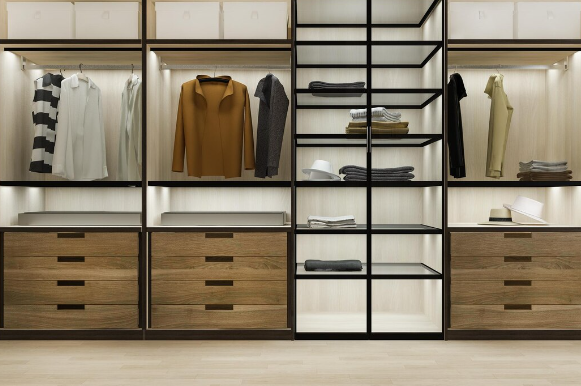
To enhance storage solutions, consider incorporating multiple hanging rods at varying heights. This might include a high rod for dresses, a mid-height rod for shirts, and a lower rod for tops or children’s clothing. By achieving this segmentation, you not only maximize usability but also maintain order in your closet.
Moreover, adjustable hanging rods can be a game-changer, allowing you to modify heights depending on your wardrobe needs over time. This flexibility keeps your closet organization in sync with changes in style or family size.
Neglecting Dedicated Folded-Item Storage
Another frequent oversight in closet design is the failure to incorporate dedicated storage for folded items. Many homeowners mistakenly believe that all clothing can be hung, thus overlooking the benefits of a well-equipped shelf or drawer system. Folding shirts, sweaters, and other items can save valuable hanging space while allowing for better visibility and accessibility.
When planning for folded-item storage, opt for deep shelves or pull-out drawers to keep everything organized. You might consider drawer dividers to separate different types of clothing, such as swimwear or activewear, offering a simple way to enhance your organization. This dedicated space ensures that folded clothing remains wrinkle-free and easy to access.
- Use adjustable shelves for flexibility.
- Consider clear storage solutions for visibility.
- Integrate pull-out baskets for easy access to smaller items.
- Implement drawer separators for better organization.
These simple design tweaks can significantly improve your closet’s usability and aesthetic, ultimately making the space feel less cluttered and more inviting.
Ignoring Seasonal Rotation in Closet Planning
Failing to plan for seasonal rotation can lead to an inefficient closet setup, reducing the effective usability of your space. Wardrobes fluctuate with the seasons, making it essential to account for this aspect when creating your closet layout.
Consider implementing a system that changes with the seasons. For instance, you can designate certain shelving areas for summer attire, winter accessories, and so forth. This approach not only streamlines your closet’s organization but also simplifies your daily routine. The transition from one season to the next becomes less daunting when clothes are easily accessible.
Utilizing storage bins for off-season clothes is another efficient strategy. Clearly labeling these bins improves accessibility, while investing in vacuum-sealed bags can save space and keep clothes protected from moisture or pests during off-seasons. Planning for seasonal rotation establishes a dynamic closet that remains functional throughout the year.
By thoughtfully incorporating drawers and specialized accessories into your closet, you can create a space that not only looks stunning but functions seamlessly as well. 305 Closets helps you find the perfect storage solution.