
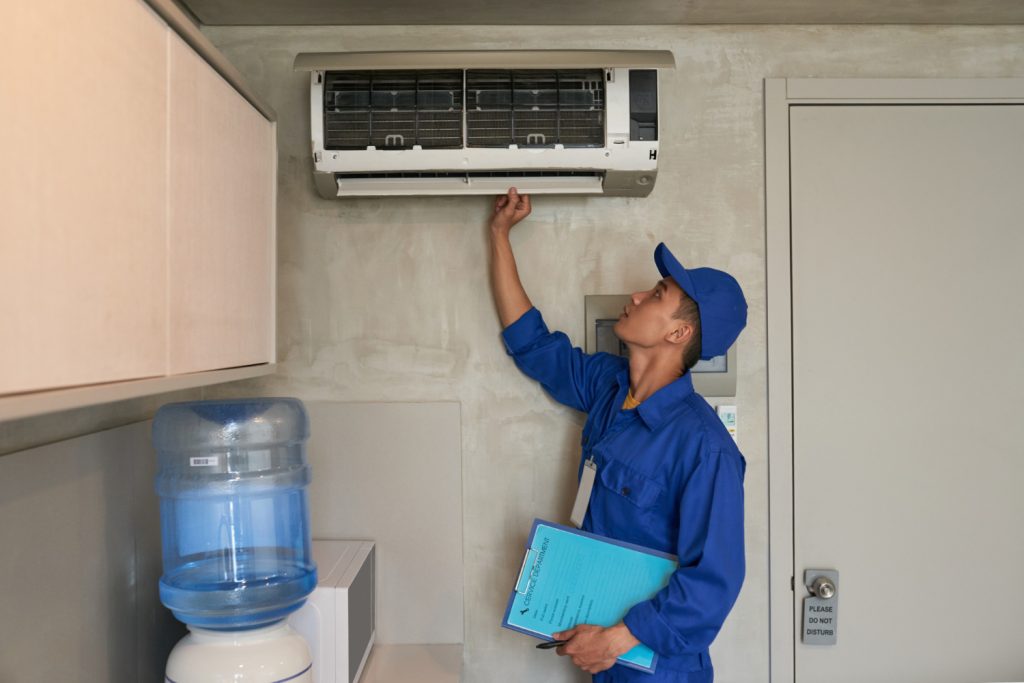
The Seasonal Energy Efficiency Ratio, or SEER, serves as a cornerstone principle in evaluating the energy efficiency of air conditioners. This measure indicates how effectively a cooling unit converts electricity into cooling output over a typical cooling season. The calculation is based on the unit’s cooling output (measured in BTUs) divided by the energy consumption (measured in watt-hours) during that same timeframe. In essence, a higher SEER rating signifies a more efficient unit, offering potential energy savings for homeowners.
Selecting an Air Conditioner Based on SEER Ratings
Choosing the right air conditioner involves assessing individual needs and understanding how SEER ratings can guide that choice. Those living in warmer climates, where air conditioning usage is frequent, would benefit significantly from selecting units with higher SEER ratings. For instance, a homeowner residing in an area where temperatures consistently exceed 90°F will find that units with SEER ratings of 16 or higher will yield energy savings in the long run.
Additionally, financing and budget considerations are also important. While higher SEER rating units might have a higher upfront cost, the long-term cost savings on electricity bills and potential rebates should be factored into the overall investment. This cost-benefit analysis is critical for homeowners looking to optimize their spending while improving their home’s comfort levels. Many utility companies offer incentives for homeowners who invest in high-SEER systems due to the reduced demand on the grid.
Moreover, understanding cooling load requirements, which refer to the amount of cooling required for a space, is essential when determining the appropriate capacity of an air conditioning unit. An incorrectly sized unit—either too large or too small—can lead to inefficiency and fluctuating temperatures while compromising the unit’s SEER performance. Consulting with an experienced HVAC professional can help ascertain the right size and recommend systems that deliver optimal SEER ratings.
In summary, evaluating multiple facets such as climate, budget, and technology will empower homeowners to select an air conditioner that not only meets their immediate needs but also aligns with long-term goals of energy efficiency and environmental responsibility.
Common Misconceptions About SEER Ratings
While SEER ratings are a vital tool in assessing air conditioner efficiency, several misconceptions persist that can mislead potential buyers. Addressing these misunderstandings can ensure informed decisions in selecting HVAC systems.
- Higher SEER Equals Better Performance: While a higher SEER rating indicates better efficiency, it doesn’t automatically mean superior cooling performance. Other factors, such as airflow and unit design, can affect an air conditioner’s ability to cool.
- All Brands Are the Same: SEER ratings may seem universal, but different manufacturers utilize varying testing methods, which could influence the actual performance in real-life conditions.
- Installation Doesn’t Matter: Many overlook that proper installation plays a crucial role in maximizing SEER ratings. An improperly installed unit can lead to leaks and other issues that diminish efficiency.
- Seasonal Ratings Mean Year-Round Efficiency: The term “seasonal” implies that rates reflect average efficiencies over a typical cooling season, yet performance can vary significantly during peak heat. Thus, SEER ratings should just be one factor in evaluation.
By overcoming these misconceptions, consumers can make more informed choices and ensure they select the best air conditioning system for their needs. It’s vital to research thoroughly, engage professionals when necessary, and understand the technologies influencing these ratings to maximize cooling performance and energy efficiency.
Impact of SEER Ratings on Environmental Sustainability
As concerns about climate change and energy consumption intensify, the impact of SEER ratings has emerged as a critical consideration for promoting environmental sustainability. Utilizing high-SEER air conditioning units can significantly reduce overall energy consumption, which has several benefits for the environment.
First and foremost, decreased electricity consumption leads directly to a reduction in greenhouse gas emissions. Since many regions rely on fossil fuels for electricity generation, lower energy use translates into fewer emissions released into the atmosphere. For instance, a household that switches from a traditional air conditioning unit with a SEER rating of 10 to one with a rating of 20 can contribute to substantial reductions in their carbon footprint over time.
Furthermore, lowering electricity demand can lessen the burden on local grids and reduce peak demand pressures. This, in turn, can mitigate the need for additional power plants, many of which are high-emission sources. Many communities are now focusing on sustainability initiatives, and the operational efficiency of air conditioning plays an essential part in those efforts.
Moreover, depending on the jurisdiction, investing in energy-efficient systems may qualify homeowners for tax credits or rebates aimed at promoting green technologies. Such incentives not only ease the financial burden of upfront costs but also contribute positively to the broader push toward energy conservation.
The connection between air conditioning SEER ratings and environmental sustainability is clear. Selecting high-efficiency systems helps drive down energy consumption while fostering a healthier planet for future generations. By making educated decisions, homeowners directly influence their community’s overall environmental strategies.
Learn more about optimizing HVAC services for energy efficiency.


