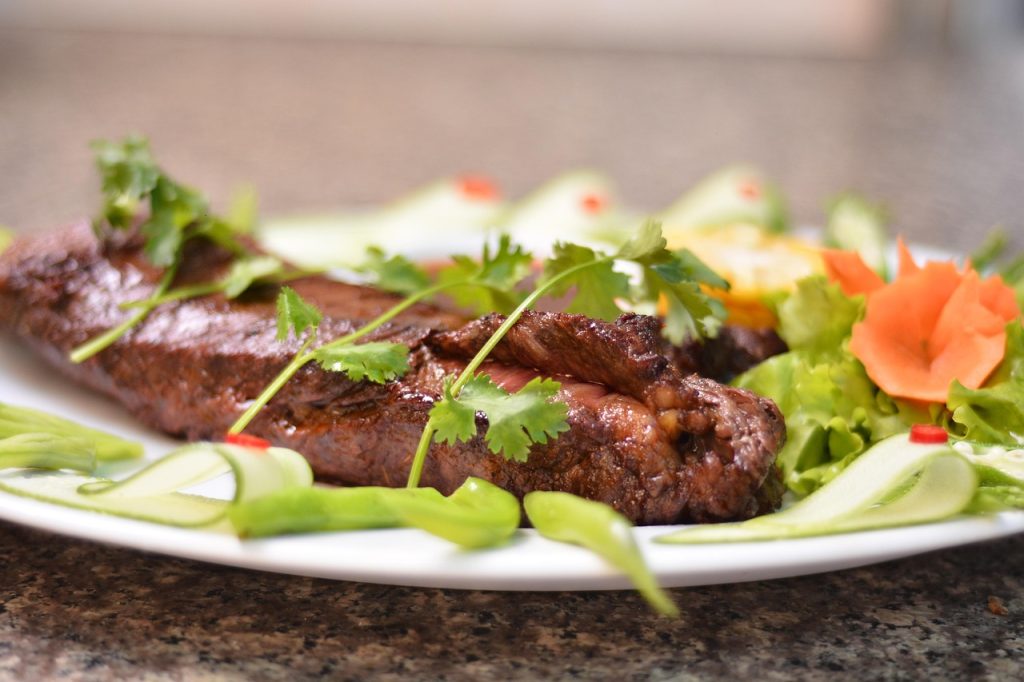
The world of culinary delights often introduces us to exquisite techniques that transform the ordinary into the exceptional. One of these techniques is dry aging—an intricate method that significantly enhances the tenderness and flavor of beef. This process takes place in a controlled environment, allowing the meat to undergo specific biochemical changes that elevate its quality. The dry-aging process generally spans from 14 days to several months, depending on the desired results. As the beef ages, it loses moisture, concentrating its natural flavors while the enzymes within the meat tenderize the muscle fibers.
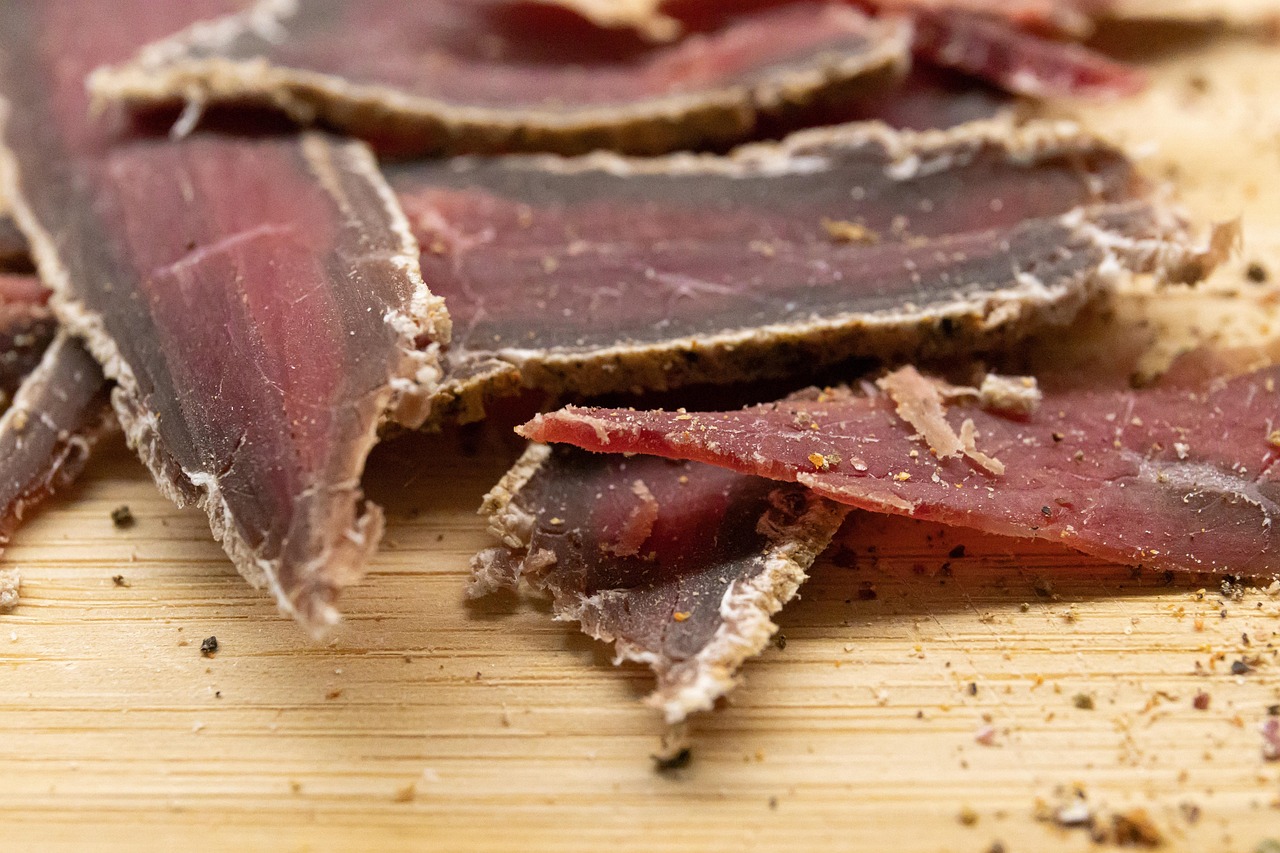
Critical Factors Affecting Dry Aging
To achieve excellence in dry aging, several critical factors must be meticulously monitored. Understanding these elements can guide both commercial and home cooks in crafting the perfect dry-aged steak. The primary influences include time, temperature, humidity control, airflow, and oxygen exposure.
- Time: The duration of aging often correlates with flavor concentration and tenderness. While the minimum recommendation is around 14 days, extending it to 21 or 30 days can yield even richer results. Patience becomes a virtue as flavors deepen and complexity increases.
- Temperature and Humidity: Maintaining specific temperatures and humidity levels directly impacts meat quality. Consistent temperatures at 34°F to 38°F and humidity around 85% allow for favorable enzymatic activity without risking spoilage due to excessive moisture loss.
- Airflow: Proper airflow not only facilitates moisture evaporation but also reduces the risk of spoilage. A circulating environment ensures uniform aging across the meat’s surface and encourages beneficial microbial growth.
- Oxygen Exposure: Sufficient oxygen is necessary for fostering beneficial bacteria, which enhance both tenderness and flavor. However, an overexposure can lead to spoilage; therefore, careful regulation is essential.
These factors collectively govern the success of the dry aging process. Their monitoring not only ensures safety but also maximizes culinary potential. Given this careful orchestration, it’s no wonder that dry-aged beef commands a premium in the marketplace.
Health Benefits of Dry Aging
Beyond the culinary advantages, the dry aging process also intersects with health considerations, particularly regarding safety and nutrient composition. Properly aged beef tends to have a lower risk of microbial contamination when compared to poorly handled meats. The conditions that favor dry aging—low temperatures and high airflow—minimize the chances of spoilage and foodborne pathogens.
Moreover, as the meat breaks down, some of its proteins convert into peptides, which possess health benefits. These peptides can promote muscle repair and even contribute to better digestion. While more research is needed to delve into the full spectrum of health implications, the general understanding is that well-aged beef not only treats the palate but also aligns with nutritional needs.
When selecting dry-aged beef, it’s advisable to seek out reputable suppliers committed to responsible aging practices. The craft lies in their ability to elevate the beef not just for taste but for overall wellness. As the trend toward high-quality meats continues, a conscious approach to sourcing becomes increasingly important, weaving a narrative of sustainability through indulgence.
Comparing Dry Aging to Other Aging Methods
While dry aging is celebrated for its distinctive outcomes, it stands in contrast to other methods employed to enhance meat quality, notably wet aging. Understanding the nuances between these techniques can greatly inform consumer choices.
| Method | Process | Flavor Impact |
|---|---|---|
| Wet Aging | Involves vacuum-sealing beef in plastic and storing it in its own juices. | Retains natural flavors but lacks the depth of dry aging. |
| Dry Aging | Beef is exposed to a controlled environment without packaging. | Intensifies flavors through moisture loss and bacterial action. |
The key distinctions lie in flavor profile, tenderness, and sensory experience. While wet aging may yield tender beef relatively quickly, dry aging enriches the meat with a complex and concentrated flavor. As such, the consumer seeking the finest culinary experience often gravitates toward dry-aged selections.
Tips for Achieving Exceptional Dry-Aged Results
For those interested in venturing into the realm of dry aging at home, several practical tips can enhance results while ensuring safety:
- Quality Beef: Start with high-quality cuts featuring good marbling, such as ribeye or strip loin, which withstand the aging process elegantly.
- Environmental Control: Utilize a dedicated refrigerator or aging chamber equipped to maintain consistent temperature and humidity.
- Proper Storage: Use wire racks to allow airflow and avoid placing the meat directly on surfaces to prevent moisture buildup.
- Time Management: Monitor aging time meticulously; aim for a minimum of 21 days for enhanced results.
- Regular Monitoring: Keep a close eye on environmental conditions, adjusting settings to account for variations.
Embarking on the dry aging journey requires dedication and knowledge but promises delicious rewards. As home chefs experiment with this ancient technique, the allure of dry-aged steak continues to tantalize palates across dining tables. Contact Nando Grill for a delicious steak.