
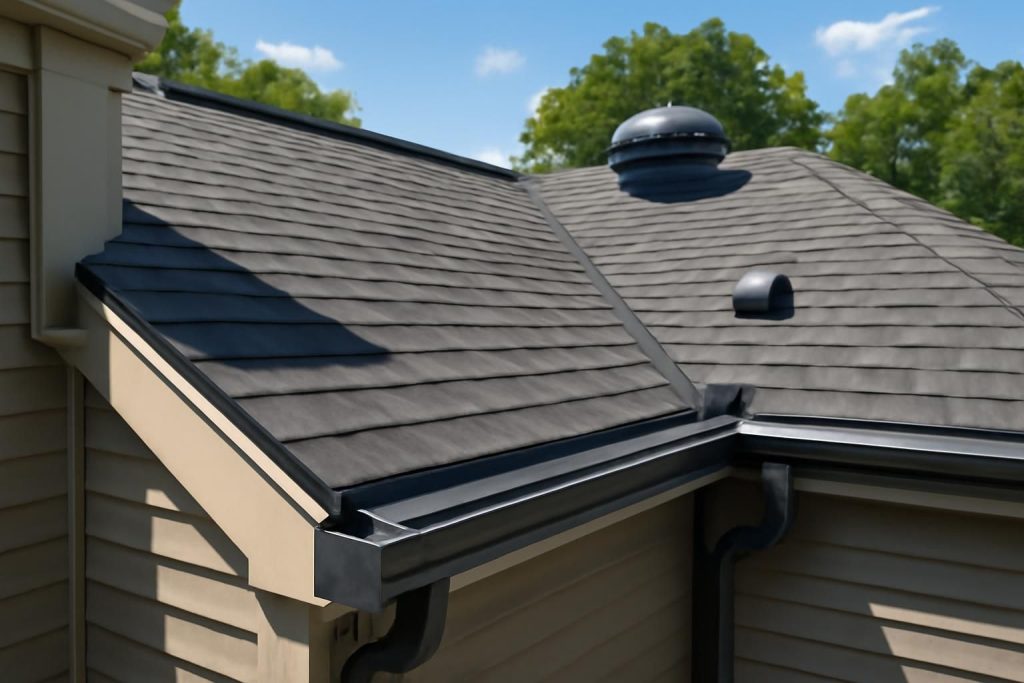
A well-installed roof is one of the most important elements in protecting a building from environmental damage and ensuring long-term structural stability. Whether for residential or commercial properties, the quality of a roof installation plays a critical role in determining how long the roof will last and how effectively it will perform over time. Factors such as the choice of roofing materials, proper installation techniques, ventilation, insulation, and regular maintenance all contribute to the overall durability and efficiency of a roofing system.
What Are Roof Lifespan Factors?
Understanding roof lifespan factors is essential for homeowners aiming to protect their most significant investment. A roof serves more than just a covering; it shields the entire property from various environmental challenges and directly affects your home’s structural integrity, energy efficiency, and overall value.
Material Quality and Composition
The primary determinant of roof longevity is the material utilized in construction. Different roofing materials possess distinct lifespans and performance characteristics. Research indicates that materials such as asphalt shingles typically last around 15 to 25 years, while premium options like slate can endure over 50 years. Factors affecting the performance of roofing materials include:
- Durability: Resistance to cracking, warping, and structural breakdown.
- Composition: The chemical and physical properties of roofing materials play a crucial role.
- Manufacturing Quality: The precision in the production and treatment of the materials.
Environmental and Climate Influences
Environmental conditions significantly impact roof lifespan. Extreme temperatures, varying humidity levels, precipitation, and sun exposure can accelerate material degradation. It is well-documented that roof temperatures can vary dramatically, with cool roofs designed to reflect sunlight potentially lowering surface temperatures by up to 50 degrees Fahrenheit. These environmental stressors contribute to roof wear in multiple ways:
- UV Radiation Breakdown: Prolonged exposure can lead to deterioration of the roofing materials.
- Thermal Expansion and Contraction: Daily temperature fluctuations can cause material fatigue.
- Moisture Penetration: Ice and water infiltration during freeze-thaw cycles can severely damage roofing systems.
- Wind Damage: Strong winds can result in shingles lifting or being torn away.
Maintenance and Installation Quality
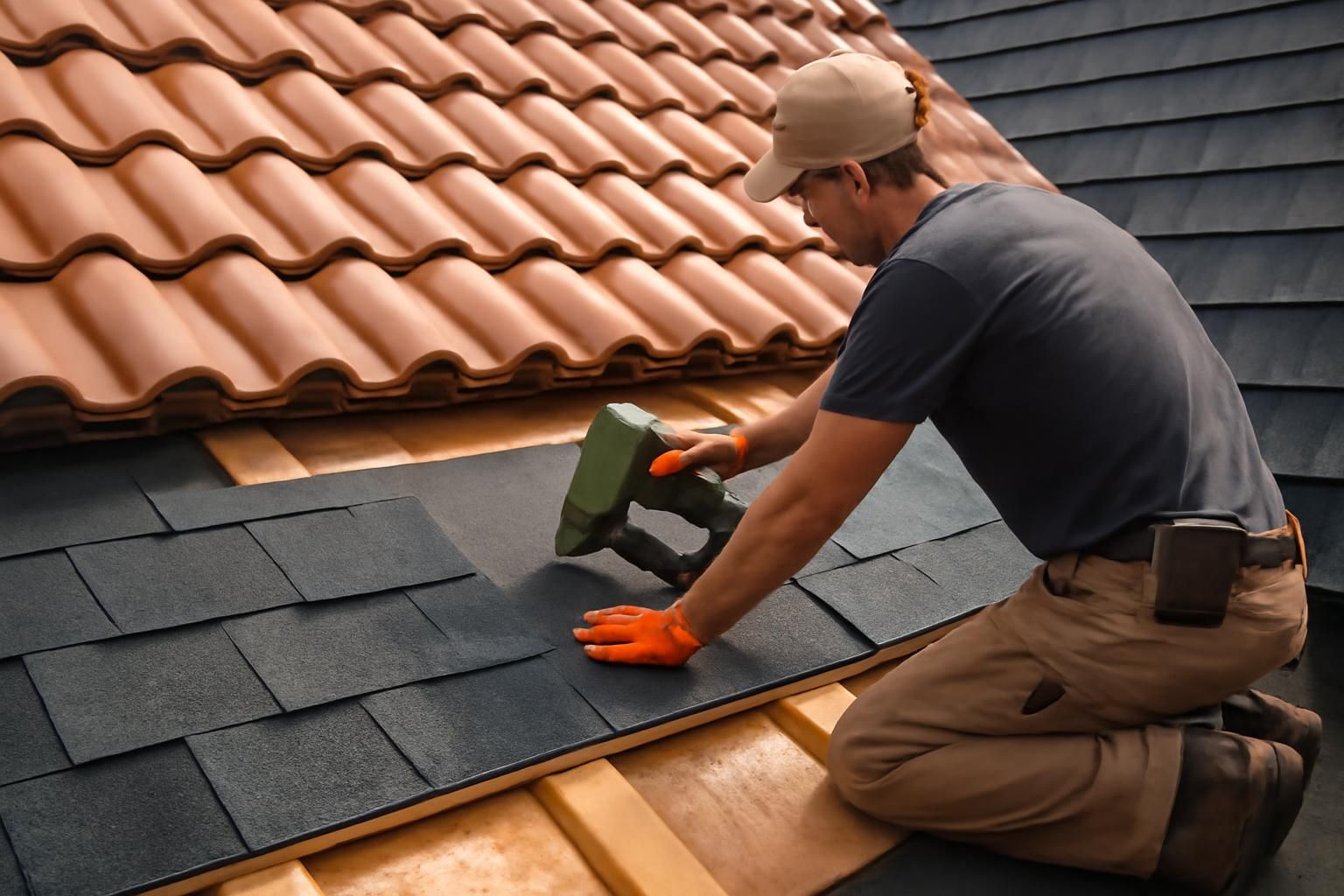
Professional installation and ongoing maintenance are critical in maximizing roof lifespan. Poor installation practices can create vulnerabilities that compromise the entire roofing system. Regular inspections, prompt repairs, and professional evaluations are crucial to ensuring that issues are identified and resolved before they escalate. Homeowners should be proactive in their approach to maintenance, as strategic upkeep can profoundly extend the functional life of a roof.
Why Roof Lifespan Matters For Homeowners
Your roof is more than a structural component; it is a vital investment safeguarding your home, family, and financial well-being. Understanding the significance of roof lifespan encompasses direct implications on property value and safety, extending far beyond simple maintenance.
Financial Protection and Property Value
A well-maintained roof represents a substantial financial asset. Premature roof failures can lead to extensive damages far exceeding the costs of regular maintenance or timely replacements. Many insurance companies require roof certifications to offer discounts on premiums. Components to consider in financial implications include:
- Direct Repair Costs: Unexpected roof replacements can range from $5,000 to $25,000.
- Indirect Damage Prevention: A solid roof protects interiors from potential water damage.
- Insurance and Property Value Maintenance: Maintaining a roof enhances your home’s marketability.
Structural Integrity and Home Protection
Roofs act as the primary barrier between your living space and external elements. A compromised roof can lead to significant structural problems, including:
- Water Infiltration: This can result in wood rot and other severe issues.
- Mold and Mildew Growth: Poor roofing conditions can create ideal environments for mold.
- Compromised Insulation Performance: Inefficient roofing can lead to rising energy bills and compromised comfort levels.
Long-Term Energy Efficiency
The condition of a roof has a direct impact on a home’s energy efficiency. Aging or damaged roofs can create thermal inefficiencies, which in turn increase heating and cooling costs. Proper ventilation and insulation are vital for minimizing energy loss and ensuring that the home remains comfortable year-round. Addressing roofing issues early on is not just an expense; it’s an investment to secure your property’s value and efficiency.
Working with an experienced company such as Windmill Roofing & Exteriors allows homeowners and businesses to benefit from professional assessments.


