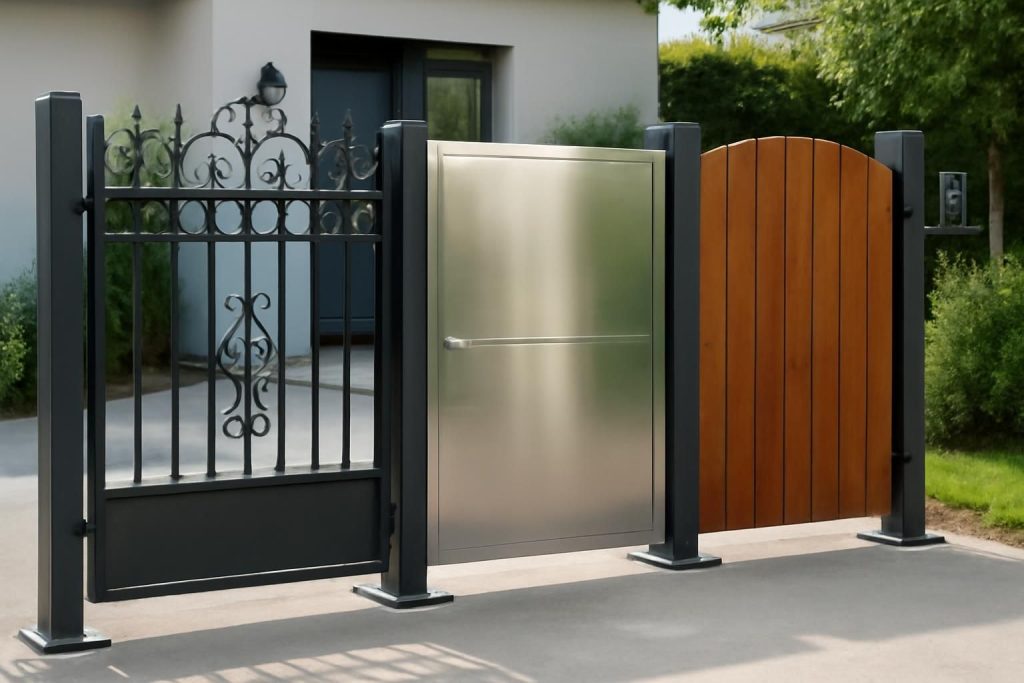
When it comes to gate installation, selecting the right materials is crucial. A gate serves as the primary entry point to your property, providing both security and aesthetic appeal. A thorough analysis of various gate materials is essential to ensure long-lasting security and durability. Each material comes with its unique characteristics that affect its performance, maintenance requirements, and appearance. In this guide, we will explore various materials, including wood, vinyl, aluminum, and iron/steel, discussing their advantages and disadvantages for optimal decision-making.
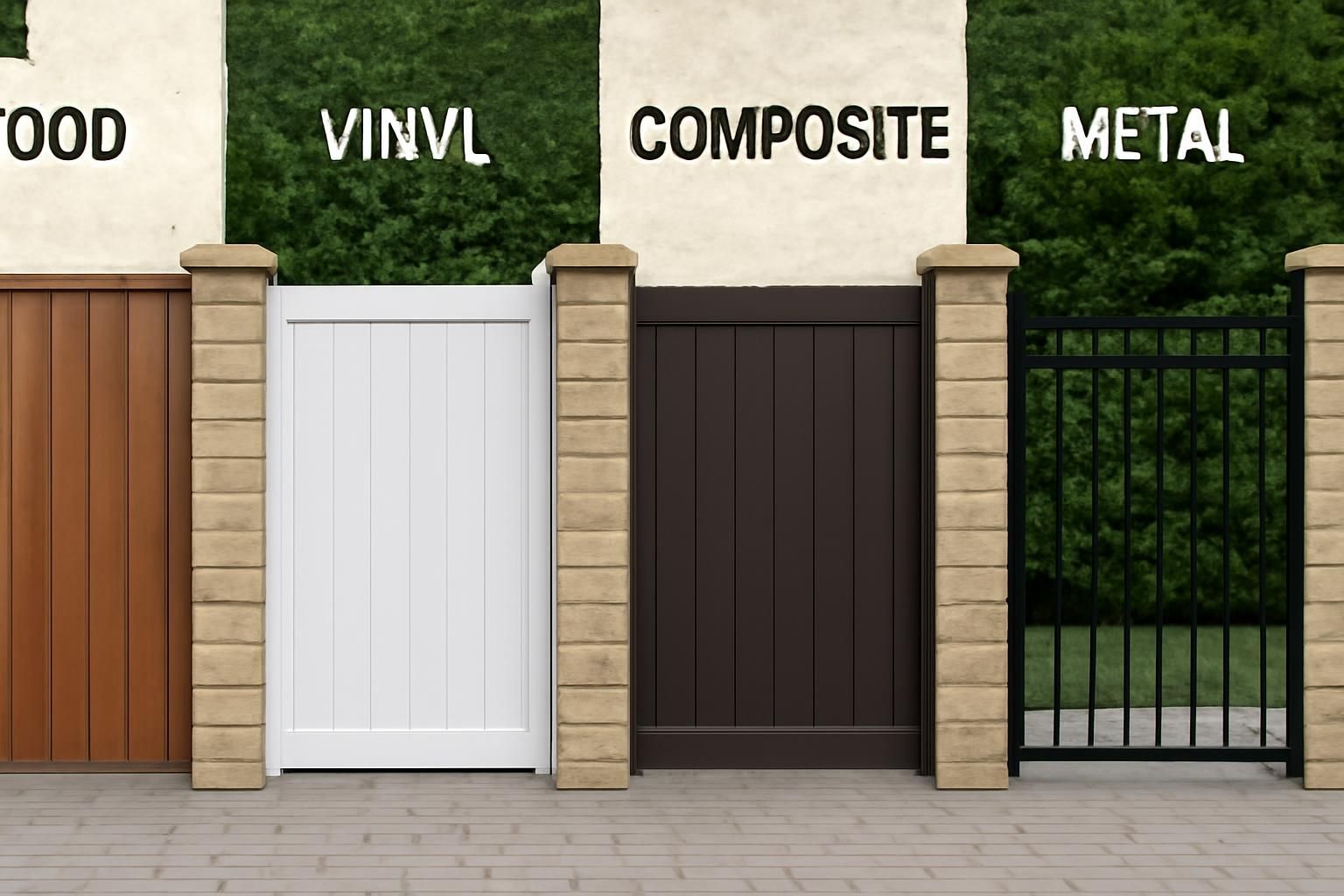
Wood Gate Materials: Advantages and Disadvantages
Wooden gates are a classic choice, known for their aesthetic appeal. They can provide a moderate level of durability and cost-effectiveness. One significant advantage is the natural look they offer, allowing homeowners to blend the gate seamlessly with their property. Popular wood choices include cedar, redwood, and pressure-treated pine. However, wood is susceptible to weather conditions, which means ongoing maintenance is necessary to preserve its integrity. Regular treatments such as protective coatings can enhance its weather resistance.
Another consideration is security. While wooden gates can provide adequate protection, they may not be as secure as metal options. Homeowners seeking a traditional appearance that requires a bit more upkeep may find wood gates appealing. To summarize:
- Cost: Moderate initial investment.
- Durability: Requires regular maintenance.
- Aesthetics: Offers a classic, natural look.
- Security: Provides good security, albeit less than metal options.
Vinyl Gates: A Durable and Low-Maintenance Option
Vinyl gates are quickly gaining popularity in residential fencing due to their durability and low maintenance. Unlike wood, vinyl is not susceptible to rot, warping, or fading, making it a long-term investment. Another appealing feature of vinyl is its easy cleaning; a simple wash with soap and water suffices. Homeowners can expect high durability with moderate costs, making it an attractive choice.
Privacy and security aspects should not be overlooked. Vinyl gates often provide a good level of privacy while ensuring security. However, they may not have the same aesthetic appeal as wooden gates in rustic or traditional settings. Thus, for a homeowner choosing a lower-maintenance option, vinyl may be the way to go. The key points include:
- Cost: Moderate initial investment.
- Durability: High, with minimal maintenance required.
- Aesthetics: Less traditional; may not suit all homes.
- Security: Provides good security and privacy.
Aluminum Gates: Lightweight and Elegant
Aluminum gates represent a blend of elegance and functionality. They are notably lightweight and resistant to rust, making them ideal for humid climates. Aluminum can be designed to mimic wrought iron, offering decorative features without the heavy upkeep associated with metal. These gates often come with powder-coated finishes that enhance their durability and appearance.
One of the disadvantages is that while they are sturdy, aluminum gates may not provide the same level of security as steel gates. Therefore, they are often suitable for homeowners looking for an attractive entry point that balances aesthetics with routine maintenance. Highlights include:
- Cost: Generally lower than steel.
- Durability: Rust-resistant and lightweight.
- Aesthetics: Stylish and contemporary appearance.
- Security: Offers moderate security.
Iron and Steel Gates: Maximum Security
For those prioritizing security, iron and steel gates stand unmatched. Known for their strength and durability, these gates can resist impacts and offer robust protection. Typically heavier than other materials, iron and steel gates provide a form of security that is particularly valuable in urban settings. However, they are prone to rust if not properly maintained. Routine inspections and maintenance are essential to keep them looking good and functional.
Aside from security, these gates also come in various designs, from ornate to modern, matching various home styles. The main features to consider are:
- Cost: Higher initial investment.
- Durability: Excellent; routine maintenance required.
- Aesthetics: Versatile design options available.
- Security: Offers the highest level of protection.
Installation Tips for Long-Lasting Gate Solutions
Once you have decided on the ideal material for your gate installation, proper installation becomes paramount for longevity. Even the best materials can fail if the installation is faulty. Here are essential tips for effective installation:
- Site Preparation: Ensure the area is leveled and clear of debris. This will prevent issues in the future due to uneven surfaces.
- Use Quality Hardware: Invest in high-quality hinges, locks, and latches to improve the gate’s functionality and durability.
- Regular Maintenance: Establish a maintenance schedule to inspect the gate regularly for signs of wear and tear, especially for wood and metal gates.
- Consider Automation: For added convenience and security, explore automatic gate installations.
- Consult Experts: It’s always wise to consult with professionals to help you choose the best material and method for installation.
For comprehensive solutions on gate installations and property protection, contact professional fencing experts.