
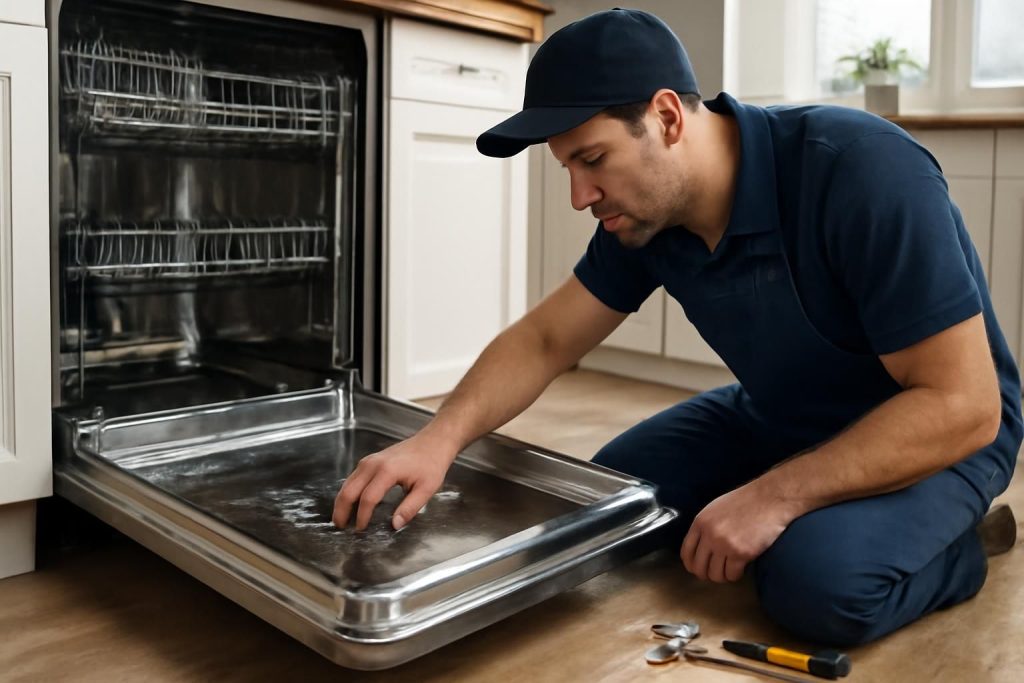
Experiencing a dishwasher that isn’t draining can disrupt your routine, turning a once peaceful appliance into an unexpected challenge. Identifying the underlying issues quickly can save you time and frustration. Some problems are fairly straightforward, while others may require professional attention. This article explores the typical reasons your dishwasher may struggle to drain and offers practical solutions.
Steps to Troubleshoot Your Dishwasher’s Drainage Problems
Not every drainage problem requires a plumbing technician; many issues can be resolved with a few simple troubleshooting steps. Below are suggested actions to assist you in diagnosing and potentially fixing your dishwasher’s drainage issues.
- Confirm the Cycle Isn’t Interrupted: It might seem trivial, but sometimes a cycle interruption can leave water in the dishwasher. Check the control panel to ensure the cycle is complete.
- Activate the Cancel Feature: Most models feature a cancel/drain function. Engaging this feature can often kick-start the drainage process.
- Cut Power to the Dishwasher: Always prioritize safety. Switch off the power before attempting any repairs to avoid electrical hazards.
- Suction Out Standing Water: If water is still sitting at the bottom, consider using a wet/dry vacuum or simply scooping it out manually.
- Clean the Filter: Remove the filter and give it a thorough clean, as described in the previous section. A blocked filter can be the root cause of drainage issues.
- Check the Garbage Disposal: Ensure the disposal is free of clogs and operating correctly.
- Inspect the Air Gap: Clean out the air gap, which prevents dirty water from re-entering the dishwasher.
- Clear the Drain Line Hose: If all else fails, check that the drain line isn’t clogged or kinked.
These formidable steps empower homeowners to approach dishwasher issues with a level of confidence, alleviating the stress associated with appliance maintenance.
When to Call a Professional for Dishwasher Troubleshooting
While many drainage problems can be fixed with basic troubleshooting, there are times when it’s prudent to call in an expert. If the above steps don’t solve the issue, complications may be deeper than anticipated.
A faulty pump could be the source of the problem; it may fail to create enough suction for the water to drain. This might be indicated by unusual noises coming from the dishwasher during operation. If you’re hearing a humming sound without water drainage, this could signify that a pump replacement is necessary.
Another possibility is a malfunctioning drain valve. The drain valve prevents backflow of water into the dishwasher. When this component fails, it can lead to unwanted stagnation of water inside the unit. Checking and replacing a worn drain valve requires more technical skill, and engaging a professional is advisable.
Lastly, if you suspect an issue with the dishwasher’s internal wiring or electronic control panel, calling a technician can ensure that you avoid any potential hazards while locating the source of the malfunction.
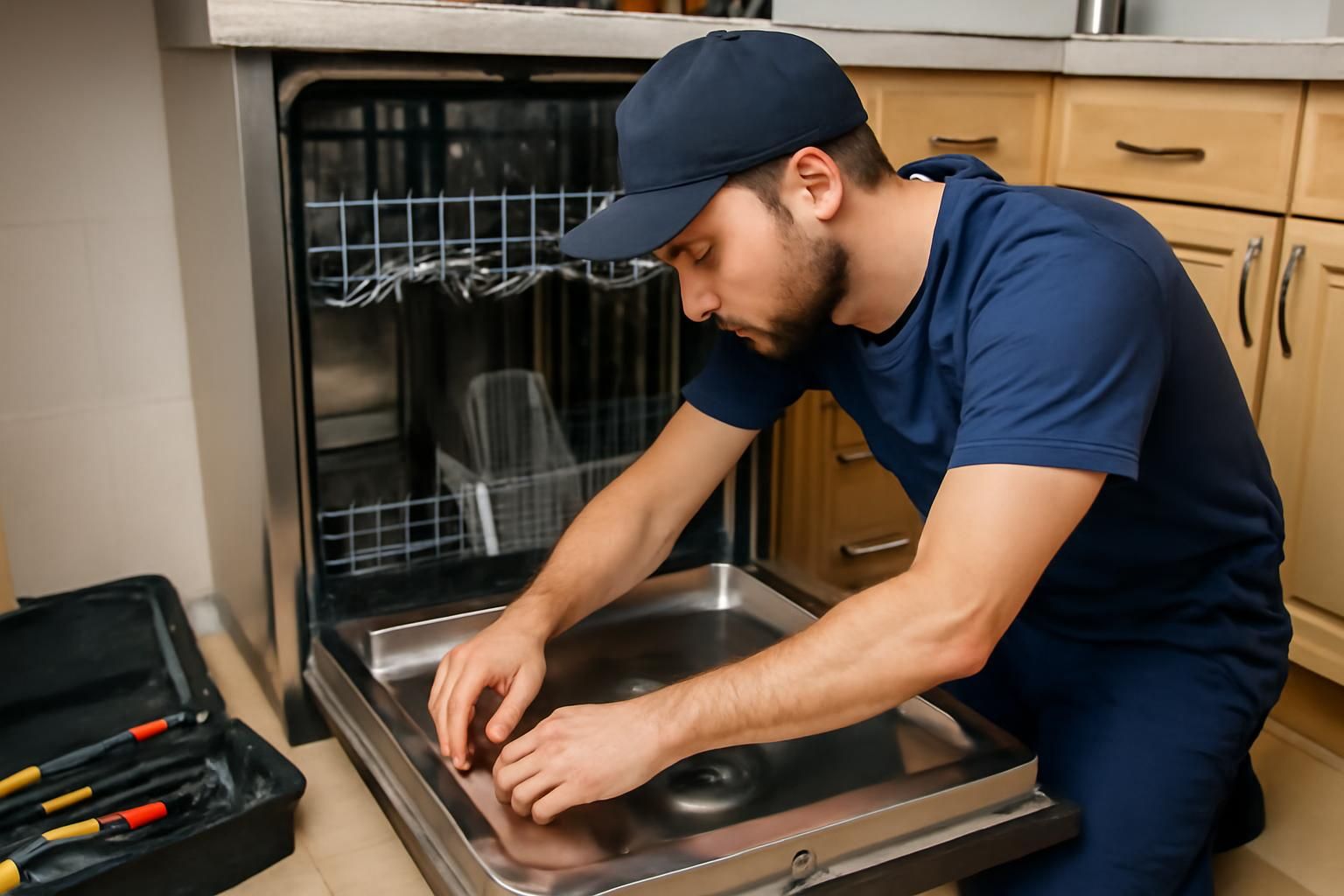
Preventative Measures for Dishwasher Maintenance
Taking steps to maintain your dishwasher can significantly reduce the chances of drainage problems occurring. Regular maintenance is key in prolonging the lifespan of your appliance. Here are essential practices to incorporate into your routine:
- Inspect and Clean Filters: Aim to check and clean your dishwasher’s filter at least every two months to prevent buildup and clogs.
- Regularly Check the Drain Hose: Ensure there are no kinks, and periodically detach it for thorough cleaning.
- Monitor Your Garbage Disposal: Be cautious of what goes down the disposal; avoid fibrous foods and large chunks that could cause clogs.
- Run Hot Water: Occasionally run a hot cycle with vinegar to help break down grease and debris.
- Proper Loading: Be mindful of how you load your dishwasher. Overloading can lead to sprays being obstructed, preventing water from reaching every dish properly.
Implementing these proactive steps not only helps in avoiding drainage issues but also enhances the overall efficiency of the dishwasher.
Additional guidance on dishwasher maintenance and professional repair services can be found through providers like Appliance Specialist.


