
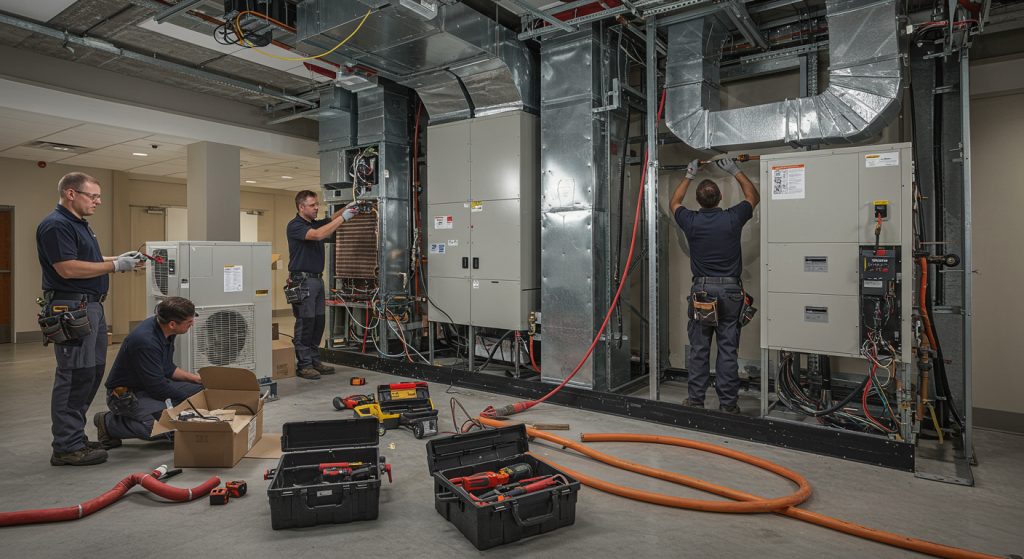
Installing a new HVAC system can be a pivotal decision for homeowners and businesses alike, influencing comfort levels and energy efficiency for years to come. However, embarking on this journey without proper knowledge can lead to expensive missteps. Recognizing and steering clear of common installation mistakes is essential for maximizing your investment while enjoying a comfortable indoor environment. This guide outlines critical errors and offers advice on how to navigate them effectively.
Understanding HVAC Installation: The Basics
HVAC installation encompasses the setup of heating, ventilation, and air conditioning systems, which work harmoniously to regulate indoor climates. This complex process involves selecting the right equipment, designing efficient ductwork, and ensuring proper electrical connections, all while adhering to local building codes. A thorough approach during installation not only enhances comfort but also optimizes energy efficiency, thus lowering utility bills.
The Role of an HVAC System in Your Home
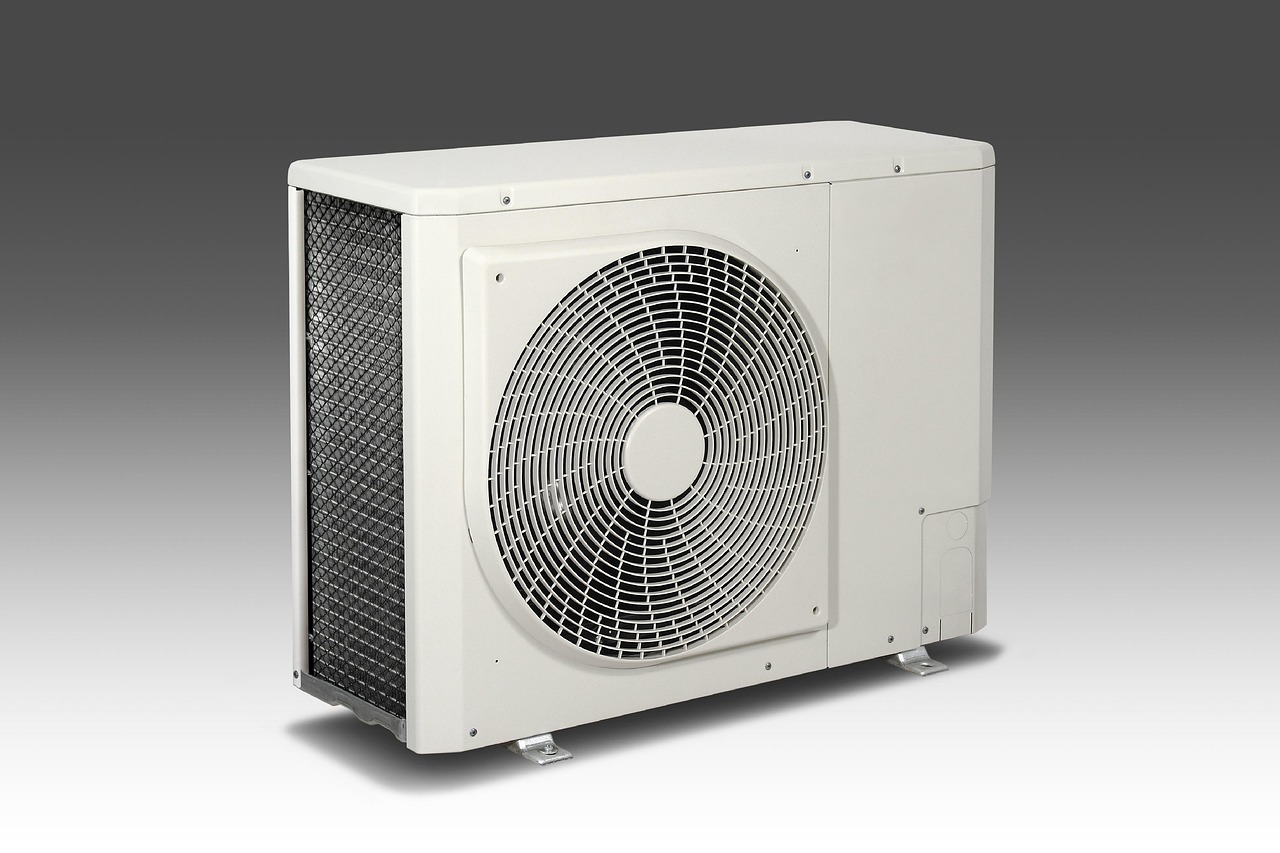
An HVAC system is crucial for maintaining a comfortable living environment, and its importance can’t be overstated. An effective system not only controls temperature but also manages air quality and humidity levels. With proper installation and maintenance, HVAC systems can last for decades and operate efficiently. However, mistakes during installation can lead to frequent repairs, ineffective climate control, and even health hazards due to poor air quality.
Common Installation Video Guides
For visual learners, there are numerous resources available online that illustrate the process of HVAC installation. Videos can provide insights into do’s and don’ts, showcasing common pitfalls and highlighting best practices.
Recognizing Common HVAC Installation Mistakes
Mistakes can happen at any stage of the HVAC installation process, but being aware of them is the first step towards avoiding future problems. Here are some of the most frequent errors that homeowners should be aware of:
- Incorrect System Sizing: One of the most prevalent mistakes is choosing a unit that is either too large or too small for the designated space. An oversized unit wastes energy and leads to short cycling, while an undersized unit can struggle to achieve desired temperatures.
- Poor Ductwork Design: Improper duct design can result in significant efficiency losses, leading to hot and cold spots within the home. Efficiency can suffer by up to 30% if ducts are not correctly sized and sealed.
- Electrical Irregularities: Failure to ensure adequate electrical infrastructure can lead to system malfunctions and safety hazards. Most modern HVAC systems need dedicated circuits that comply with local regulations.
- Improperly Charged Refrigerant: If the refrigerant is not charged correctly, either too much or too little, you can face cooling issues and put additional strain on the compressor, potentially leading to failure.
- Neglected Indoor Air Quality: Some installations neglect proper ventilation, which is crucial for maintaining air quality and humidity control.
| Mistake | Potential Consequences |
|---|---|
| Incorrect System Sizing | Frequent repairs, inefficient cooling, increased energy bills |
| Poor Ductwork Design | Hot/cold spots, air leakage, inefficiency |
| Electrical Irregularities | System failure, fire hazards, costly repairs |
| Improperly Charged Refrigerant | Cooling inefficiency, compressor damage |
| Neglected Indoor Air Quality | Poor air quality, humidity issues, health concerns |
Proper Ductwork Design: Key to Efficiency
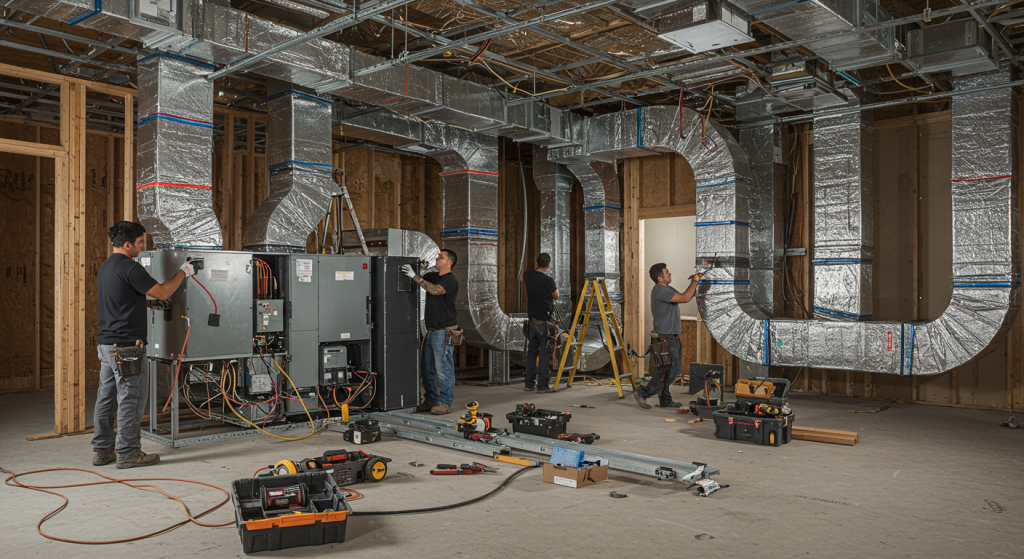
Ductwork is often overlooked during HVAC installation, yet it is integral to system performance. Effective duct design ensures that cooled air is distributed evenly throughout the home, directly influencing comfort levels and energy expenses.
Signs of Poor Ductwork Installation
Recognizing the signs of poor ductwork installation can save you from unnecessary expenses. Common indicators include:
- Uneven temperatures from room to room
- Excessive dust accumulation throughout the house
- Higher energy bills despite normal usage
- Weak airflow from vents
- Unusual noises from the duct system
If you experience any of these issues, it may indicate poor duct design or installation practices that should be addressed as soon as possible.
The Impact of Ductwork on Energy Efficiency
Well-designed ductwork can enhance overall system efficiency by up to 30%. Proper sizing and sealing of ducts prevent air leakage and ensure that conditioned air reaches its intended destinations. On the flip side, leaky ducts can allow up to 30% of conditioned air to escape, making proper installation of ductwork essential for cost savings and comfort.
| Ductwork Issue | Possible Impact |
|---|---|
| Leaky duct connections | Up to 30% loss of conditioned air |
| Poorly sized ducts | Hot/cold spots, inefficient airflow |
| Uninsulated ducts | Increased energy costs during temperature extremes |
Fostering Quality During Installation
In addition to technical expertise, the quality of the installation process plays a significant role in the longevity and efficiency of HVAC systems. By understanding the essentials, homeowners can place their trust in qualified professionals to get the job done right.
Choosing Qualified Installers
Selecting a licensed and certified HVAC installer can dramatically influence system performance. Look for qualifications such as:
- Certifications from recognized bodies
- Customer reviews and testimonials
- Transparent pricing and detailed estimates
These criteria can help ensure that your HVAC installation is not only compliant but also tailored to meet your specific needs.
Leading Brands
Familiarizing yourself with reputable HVAC brands can also guide your choice. Popular manufacturer, including Costa Mechanical is known for their quality and reliability. Selecting a well-regarded name may add an extra layer of assurance in your investment.
By paying attention to the details highlighted in this guide, homeowners can navigate the complex landscape of HVAC installation successfully, ensuring the comfort and efficiency they desire. For more insights on related topics, consider checking out these resources:


