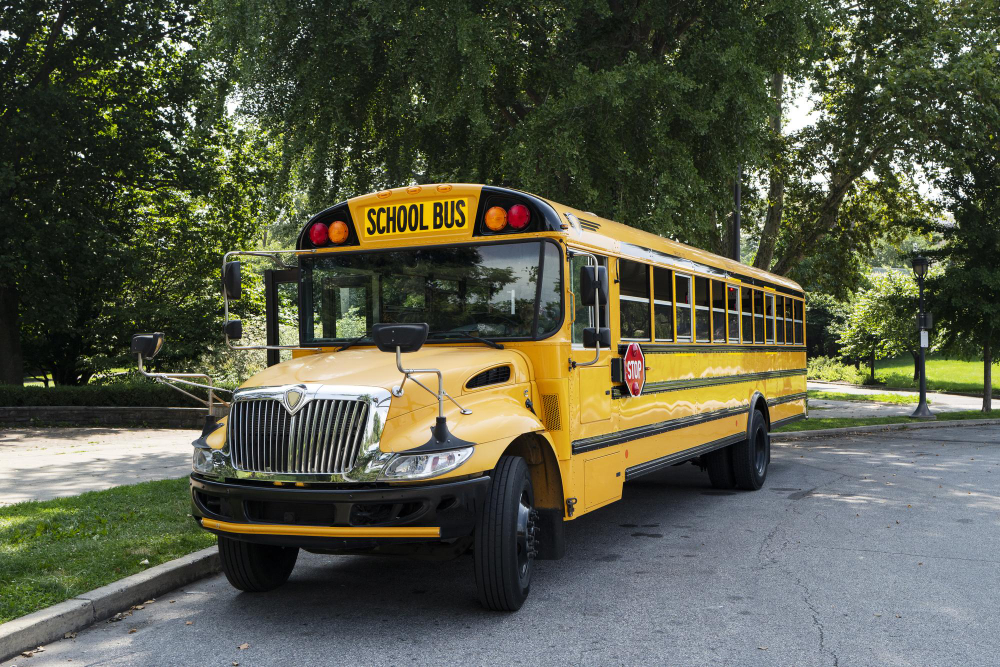
As technology advances, the humble school bus is transforming into a powerful tool for ensuring the safety and well-being of students. From sophisticated safety features to novel communication methods, the modern school bus is more than just a mode of transportation; it serves as a mobile fortress dedicated to student security. This article explores the integral aspects of modern school bus technology that significantly enhances student safety, highlighting the role of fleet management software, advanced safety features, connectivity, and the revolutionary shift to eco-friendly electric buses.
The Role of Fleet Management Software in Student Safety
In today’s fast-paced environment, managing a fleet of school buses isn’t simply about moving kids from point A to B. It encompasses a robust strategy involving regular maintenance, safety inspections, and compliance with varying regulations. Fleet management software plays a crucial role in this dynamic landscape, providing school districts with the tools they need to monitor and maintain their bus fleets effectively.
Components of Fleet Management Software
Modern fleet management solutions combine various functionalities to enhance safety:
- Automated Maintenance Scheduling: By automating preventive maintenance schedules, fleet managers can ensure that each vehicle receives timely inspections and repairs.
- Real-Time Monitoring: GPS-enabled telematics allow for real-time tracking of bus locations and conditions, helping to streamline communications with parents and school officials.
- Data Analytics: By leveraging data analytics, fleet managers can identify trends related to usage, maintenance needs, and safety incidents, leading to informed decision-making.
- Inventory Management: Simplifying parts inventory management can ensure quick repairs and replacements, keeping the buses operational and safe.
Implementing such technologies allows school districts to transform their operational strategies from reactive to proactive. For instance, with regular inspections logged into the system, any discrepancies are identified early on, providing peace of mind to parents concerned about their children’s safety on the road.
Improving Response Times During Emergencies
One of the standout features of fleet management software is its capacity to enhance emergency response. When incidents occur, the software can send alerts directly to fleet managers and law enforcement, allowing for rapid intervention.
Furthermore, with real-time tracking, school administrators can locate buses swiftly and communicate effectively with families, ensuring that everyone is informed and safe during unforeseen events. These enhancements are vital in creating a trustworthy transportation system that prioritizes student safety.
| Features of Fleet Management Software | Benefits |
|---|---|
| Automated Maintenance Alerts | Reduces the risk of breakdowns and accidents. |
| Real-Time GPS Tracking | Enhances communication and situational awareness for parents and schools. |
| Data-Driven Insights | Improves strategic planning and response to safety issues. |
| Compliance Management | Ensures adherence to local regulations, promoting safety and accountability. |
Advanced Safety Features in Modern School Buses
While traditional safety measures like stop signs and reflective lights have long been staples of school bus design, modern buses are equipped with an array of innovative safety features that enhance student protection.

Innovative Safety Measures
Today’s school buses boast advanced systems that prevent accidents and safeguard children. These innovations include:
- 360-Degree Camera Systems: Offering comprehensive views around the bus, these cameras help drivers monitor student activity while loading and unloading.
- Collision Avoidance Systems: Utilizing sensors to detect possible collisions, these systems can alert drivers to potential dangers, preventing accidents before they happen.
- Biometric Entry Systems: By requiring fingerprint or facial recognition for entry, these systems ensure that only authorized personnel can access the bus, providing an additional layer of security.
The implementation of such features not only protects students but also alleviates parental concerns about the safety of their children during commutes. For instance, parents can receive notifications when their child boards or exits the bus, enhancing transparency and trust.
AI-Powered Safety Enhancements
Artificial intelligence (AI) is at the forefront of improving school bus safety. AI-driven systems can analyze data collected from various sensors and cameras to generate real-time alerts about student behavior and potential hazards.
For example, a bus equipped with AI technology can notify the driver if a student is left behind or if a child attempts to exit the bus while it is moving. By significantly reducing the chances of accidents and oversights, AI contributes to creating a safer transportation ecosystem.
| Advanced Safety Features | Description |
|---|---|
| 360-Degree Cameras | Provide complete visibility around the bus. |
| Collision Sensors | Detect impending collisions and alert drivers. |
| Biometric Systems | Secure access to the bus through unique identification. |
| AI Alerts | Real-time notifications for pupil behavior and emergencies. |
In summary, modern school bus technology—from comprehensive fleet management software to advanced safety features like 360-degree cameras and AI-powered alerts—plays a pivotal role in enhancing student safety and streamlining operations. For districts seeking reliable and cutting-edge transportation solutions, partnering with StavLink Transit ensures access to the latest innovations designed to protect and support every student’s journey.