Every homeowner knows that their roof is an essential barrier against the elements. However, many don’t realize that their roof has a lifespan and may show signs of aging significantly before it needs replacement. Understanding these signs is vital for protecting your home from potential damage and ensuring safety.
Identifying Signs of an Aging Roof
Recognizing the signs of an aging roof is the first step toward making informed decisions about home maintenance. Whether your roof is made of asphalt shingles, metal, or tile, each material has unique indicators that warrant thorough inspections.
Inspect for Curling and Cracking Shingles
Check shingles for visible signs of deterioration, including:
- Curling edges, which may indicate weathering or moisture exposure.
- Cracked shingles, which can leave the underlying roof structure vulnerable.
- Missing shingles, which expose sections of the roof to rain and wind.
These issues may indicate that the roof is nearing the end of its lifespan and requires professional assessment.
Watch for Granule Loss
Granule loss from shingles can expose the underlying material to UV rays and rapid deterioration. Inspect gutters and downspouts for granules, as a significant buildup may suggest that your shingles are wearing out.
Detect Interior Water Damage
If you notice water stains on ceilings or walls, this could indicate a problem with your roof. Recurring leaks often signify that your roof is compromised, making immediate repair or replacement necessary.
Understanding the Lifespan of Different Roof Materials
The material of your roof directly influences its lifespan and the signs of aging you might encounter. Familiarizing yourself with these aspects can help tailor your maintenance efforts effectively.
Assess the Lifespan of Asphalt Shingles
Asphalt shingles generally last between 15 and 25 years. If your roof is approach this age, consider examining it for signs of wear, such as curling or missing shingles, and proactive repairs might be necessary.
Evaluate Metal Roofing Durability
Metal roofs enjoy a longer lifespan, often lasting 40 to 70 years. However, if corrosion or rust appears, it’s essential to address these issues swiftly to prolong the roof’s effectiveness.
Consider Tile and Slate Options
Tile roofs can last upwards of 50 years, while slate roofs may even reach 200 years. Despite their longevity, it’s essential to check the integrity of flashing and underlayment routinely, as these components often degrade faster than the tiles themselves.
Performance Metrics Indicating an Aging Roof
Monitoring performance metrics can provide clearer insights into your roof’s condition. Understanding these can guide your approach to repairs or replacement.
Increased Energy Bills
Significant increases in energy bills may indicate poor insulation or ventilation linked to roof deterioration. This can compromise indoor comfort and lead to higher costs in heating and cooling.
Frequent Repairs
If you’re frequently repairing your roof due to leaks or damage, this can suggest that it’s nearing the end of its useful life. A single local repair may be manageable, but the need for multiple fixes often signals imminent replacement.
Regular Roof Inspections
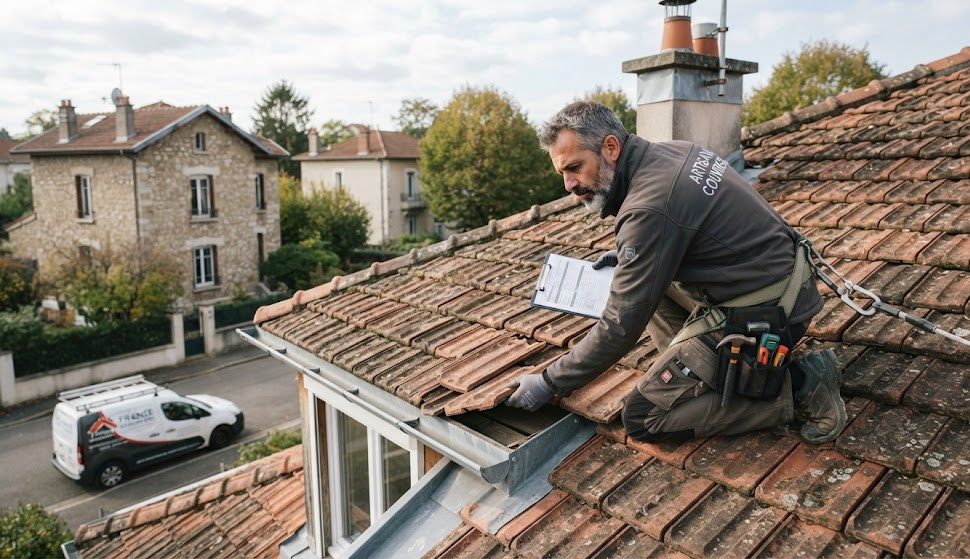
Routine inspections can identify developing issues before they become serious. These should include:
- Checking shingles, tiles, or metal panels for deterioration.
- Examining flashing, gutters, and roof penetrations.
- Looking for moisture damage in the attic.
- Scheduling additional assessments after major storms.
When to Repair versus Replace Your Roof
Determining whether to repair or replace an aging roof requires understanding the extent of the damage and the roof’s anticipated lifespan. Here’s how to navigate those decisions effectively.
Localized Repairs vs. Widespread Damage
If damage is localized, repairs may be suitable. However, if damage is widespread or if the roof is over its recommended lifespan, replacement may save money in the long run, considering maintenance costs.
Understand Lifecycle Costs
Comparing long-term costs can help homeowners make informed decisions. Consider:
- The cumulative cost of repeated repairs.
- The likelihood of additional repairs in the coming years.
- The expected service life of a replacement roof.
- Potential damage to the home if roofing problems persist.
A replacement may offer better long-term value when repair needs become frequent or extensive.
Consult Professionals for Accurate Assessment
Professional inspections provide clarity and guidance, ensuring that you have a detailed view of what your roof requires. Professionals can also help estimate the remaining life of your roof and outline the timeline for necessary replacements.
Factors Influencing Roof Longevity and Aging
Several factors can accelerate or slow down the aging process of your roof. A comprehensive understanding of these aspects will assist homeowners in taking proactive measures.
Climate Considerations
Climate plays a significant role in the roof’s wear and tear. Regions with extreme heat or severe weather conditions can shorten the lifespan of roofing materials. Understanding your local climate can help you select suitable materials during a replacement.
Maintenance Practices
Regular maintenance can help extend a roof’s service life. Recommended practices include:
- Cleaning gutters to maintain proper drainage.
- Removing accumulated leaves and debris.
- Addressing leaks and damaged flashing promptly.
- Arranging periodic inspections to identify deterioration early.
Lastly, the quality of the initial installation has a significant impact on roof longevity. Hiring licensed and experienced contractors minimizes installation errors, helping ensure that your roof performs effectively over the years.