The roof of a home is its first line of defense against the elements, and as it ages, the need for restoration becomes paramount. While many homeowners may consider a complete replacement when faced with deterioration, roof restoration can be a more economical and effective solution. Understanding the timing and process of roof restoration can ultimately preserve your roof’s integrity and extend its lifespan significantly.
Understanding Roof Restoration and Its Importance
Roof restoration refers to the comprehensive process of rejuvenating, repairing, and maintaining an existing roof. Over time, various factors like weather conditions, material aging, and neglect can prompt the need for restoration. Recognizing these needs early on can save homeowners substantial costs while enhancing the roof’s longevity.
Identifying Key Issues that Lead to Roof Restoration
Several common issues can signal the necessity for a roof restoration. Identifying these problems early allows for timely interventions, which can prolong the roof’s lifespan.
- Leaks: Water infiltration is a primary indicator that the roof needs immediate attention. Old or damaged roofing materials can result in serious internal damage if left unchecked.
- Damaged Shingles: Cracks, curls, or missing shingles compromise the roof’s structure, allowing moisture to seep through.
- Weather Damage: Harsh weather conditions such as high winds, hail, and heavy rain can inflict considerable damage on aging roofs.
- Debris Accumulation: Leaves, branches, and dirt can block gutters, leading to water buildup and consequent roof deterioration.
- Aging Materials: Roofing materials have lifespans; if your roof is over 15-20 years old, restoration might be necessary to prevent severe problems later.
Steps in the Roof Restoration Process
The roof restoration process involves a systematic approach to ensure its effectiveness. Let’s explore the typical steps involved:
Conducting Detailed Inspections
A professional roofer begins with a thorough inspection to assess the roof’s current condition. They identify issues ranging from minor to significant concerns and develop a restoration plan tailored to your roof’s needs.
Cleaning the Roof Surface
Cleaning is crucial before any repairs can occur. This step removes dirt, moss, algae, and debris, ensuring the restoration products adhere properly.
Executing Necessary Repairs
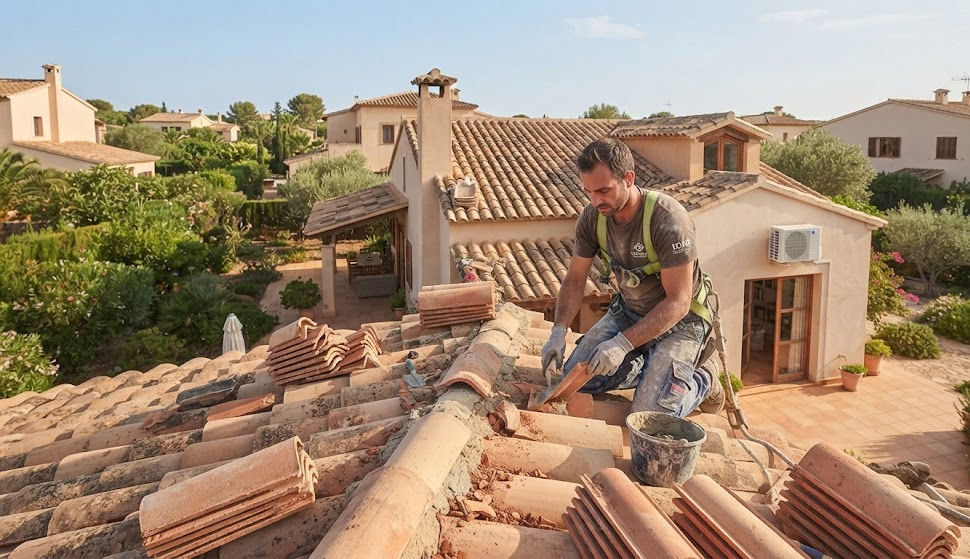
After cleaning, damaged areas including broken shingles, flashings, and leaks are addressed. Repairs restore the roof’s integrity, preparing it for the next stages of restoration.
Applying Protective Sealants
To further enhance the roof’s durability, a protective sealant may be applied. This coating helps prevent UV damage, water intrusion, and further wear and tear.
Final Inspection
A comprehensive final inspection guarantees that the restoration has been successful and all previous issues have been resolved. This step is essential for ensuring your roof’s long-term performance.
Choosing the Right Materials for Roof Restoration
The materials used during restoration play a vital role in its success. Common options include:
- Asphalt Shingles: Known for affordability and durability, asphalt shingles are a popular choice for residential roofs.
- Metal Roofing: These roofs can be restored with protective coatings that bolster their lifespan against rust and moisture.
- Clay or Concrete Tiles: Tile restoration involves both replacing damaged tiles and applying sealants to prevent leaks.
- Membrane Coatings: Especially for flat or low-slope roofs, elastomeric and silicone coatings create a waterproof seal while reflecting UV rays.
Benefits of Roof Restoration
Opting for roof restoration brings numerous advantages, making it a preferable option over complete replacement in many cases:
- Cost-Effectiveness: Restoration typically costs less than a full replacement, allowing homeowners to save money.
- Enhanced Performance: A restored roof offers improved protection from leaks and harsh weather, ensuring a safe environment.
- Energy Savings: Quality restoration can enhance insulation, leading to reduced energy bills.
- Improved Aesthetics: A clean, restored roof significantly boosts your home’s curb appeal, enhancing its market value.
- Extended Longevity: Restoration can significantly prolong your roof’s life, allowing you to delay the expense and hassle of a complete replacement.
Practical Tips for Maintaining and Extending Your Roof’s Life
Regular maintenance is key to ensuring the success of your roof restoration. Here are some actionable tips to keep in mind:
- Schedule Regular Inspections: Conduct annual inspections to catch issues before they escalate.
- Timely Repairs: Address minor problems swiftly to prevent larger expenses in the future.
- Remove Debris: Keep gutters and rooftop areas clear of debris to prevent water buildup and damage.
- Seek Professional Help: For significant repairs or restorations, consult expert roofing contractors who can outline the best options.
By adhering to these maintenance strategies, homeowners not only enhance the longevity and efficacy of their roofs but also preserve their investment. Roof restoration is an intelligent approach toward maintaining a safe, efficient, and attractive home.