
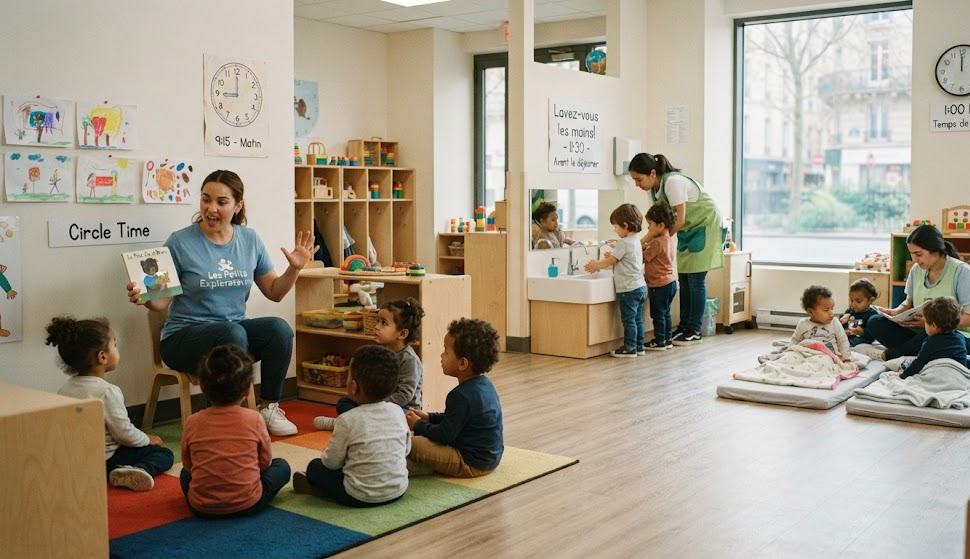
In a rapidly changing world, young children benefit immensely from daily routines that provide a sense of security and stability. These predictable patterns not only help them understand what to expect, but they also foster emotional growth and independence. Let’s explore how intentional daily routines create a nurturing environment for young learners.
Understanding the Role of Daily Routines in Child Development
The significance of daily routines in early childhood education cannot be overstated. Consistent, intentional practices help children feel secure and allow them to thrive. When children know what to anticipate, their anxiety diminishes, enabling them to engage fully in learning experiences. Research indicates that children thrive when they have a predictable flow to their day that empowers them to explore and learn.
Creating Predictable Daily Patterns
A structured daily schedule is vital for fostering an environment of calmness and security. Simple elements like morning greetings, designated cleanup songs, and smooth transitions to activities are essential. These predictable cues help children anticipate and prepare for what comes next, thereby lowering their stress levels. For instance, using a familiar song to signal cleanup time can prepare children emotionally, easing their transition to the next task.
Cultivating Independence Through Routines
Participation in daily routines offers children the opportunity to practice decision-making and self-help skills. Encouraging them to choose between tasks, such as putting away blocks or cleaning the table, not only maintains structure but also inspires a sense of ownership. This method nurtures a child’s independence, moving them from relying entirely on adult guidance to initiating actions on their own.
Encouraging Self-Regulation and Confidence
As children engage more fully with their surroundings, they develop self-regulation and confidence. Simple tasks, such as pouring their own water or setting the snack table, contribute to their understanding of daily responsibilities. This hands-on involvement fosters independence and builds their self-esteem, signifying that they play a vital role in the rhythm of the day.
Supporting Inclusion and Equity in Classroom Routines
Daily routines are particularly beneficial for children who have experienced trauma or those who are neurodivergent. A reliable schedule offers them the consistency that might be missing in other areas of their lives. Implementing flexible structures, such as allowing extra time for transitions or using visual schedules, ensures that all children can participate fully. These adaptations provide a sense of safety and reassurance, creating an inclusive atmosphere.
Building Trust Through Predictable Interactions
Children with unstable backgrounds often find solace in predictable interactions. Daily routines serve as an anchor, making them feel grounded and secure. For example, establishing a routine where children can express their feelings or ask questions fosters trust and connection with caregivers. By creating an environment that promotes emotional comfort, children are better equipped to engage and learn effectively.
Implementing Intentional Routines at Home and in Educational Settings
To establish effective routines, it’s beneficial to thoughtfully consider the daily flow. Here are some strategies to create intentional routines:
- Name the routine: Use consistent language and visuals to help children connect actions to words. This builds a clear understanding of their daily activities.
- Involve children: Let them participate in decisions about routines, whether it’s choosing songs or setting up materials. Collaboration fosters excitement and a sense of ownership.
- Reflect and adjust: Monitor how routines function. Adapt them to suit the needs of the children involved, ensuring a responsive and flexible approach.
- Model calm and confident behavior: Your demeanor can significantly influence how children regulate their emotions. Maintain a steady presence to promote a sense of safety.
The Lasting Impact of Daily Routines on Learning
Emphasizing daily routines in early learning environments not only aids in establishing a sense of security but also lays the groundwork for lifelong learning. When educators and parents honor the importance of daily rituals, they contribute to building confident, independent, and emotionally secure children. By recognizing that life skills are woven into daily interactions, adults can foster an enriching experience that promotes meaningful learning.
Through these structured routines, children not only learn essential skills but also develop the resilience to navigate the complexities of life. For those interested in exploring the benefits of structured care, consider reading more about smart reasons to send your little ones to a child care center.


