
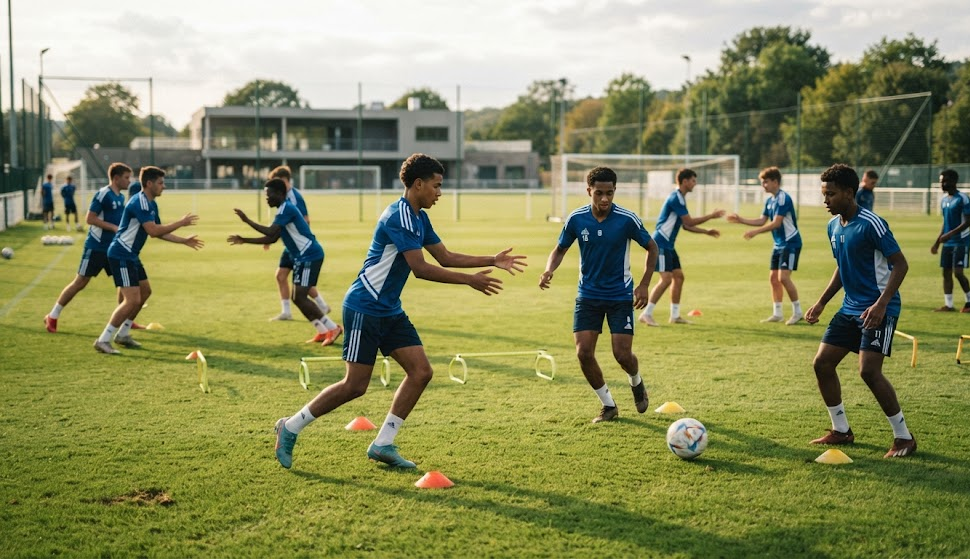
Mastering the art of passing is essential in soccer, forging the backbone of effective teamwork and fluid gameplay. Structured training sessions are instrumental in honing these skills, transforming players into cohesive units capable of executing intricate plays with precision. In this article, we will delve into the key elements of developing passing skills through well-organized soccer sessions, exploring methodologies that foster both individual and collective growth.
Emphasizing the Importance of Passing Skills
Passing is not merely a technical skill; it serves as a critical component of a team’s success on the pitch. By prioritizing passing, players enhance their ability to communicate and collaborate during matches. The following sections will discuss effective strategies for training passing skills.
Identifying Core Skills for Effective Passing
To foster proficient passing abilities, it is vital to focus on specific core skills. Each component contributes to a player’s overall performance. The key areas include:
- Passing Accuracy: Essential for keeping possession and building attacks.
- Weight of Pass: Dictates how far and fast the ball travels, affecting play fluidity.
- Decision Making: The ability to choose the right type of pass under pressure determines the success of offensive strategies.
Designing Effective Training Sessions
When structuring a session, coherence and relevance to match scenarios enhance learning outcomes. A well-planned session incorporates varied drills that promote engagement while addressing different aspects of passing. Let’s explore several effective training methodologies.
Incorporating Rondo Drills
Rondos are widely recognized as one of the most effective training tools for soccer. These exercises encourage quick passing, movement under pressure, and decision-making. For instance, a basic rondo involves four players forming a circle with one or two defenders in the middle. The objective is for the outside players to maintain possession while avoiding interception, thus honing essential passing and receiving skills.
Progressive Passing Sequences
Transitioning from a basic rondo to more structured passing sequences can further develop players’ technical abilities. In this drill, players form a line and practice a continuous sequence of passes. Starting at walking pace allows them to focus on technique, then increasing speed as they become more comfortable enhances their skill mastery. Introducing passive defenders gradually adds a layer of challenge, refining decision-making and execution.
Utilizing Small-Sided Games for Realistic Scenarios
Small-sided games, such as 3v3 or 4v4, provide a dynamic environment that mirrors match conditions. These setups are particularly advantageous as they allow players to experience increased touches, foster decision-making, and enhance teamwork. Engaging in small-sided formats keeps levels of intensity high while promoting learning through play.
Implementing Conditioned Games
Conditioned games target specific tactical behaviors beneficial for passing. For example, a game can enforce a rule where teams must complete three consecutive passes before attempting to score. This condition encourages players to focus on positioning, movement, and spatial awareness, all while reinforcing the importance of passing in game scenarios.
Feedback and Reflection for Continuous Improvement
Feedback plays a pivotal role in player development. Coaches should regularly assess performance during drills and games, offering constructive insights to facilitate improvement. After each session, allocate time for players to reflect on what they learned, promoting a culture of growth and self-assessment. This habit not only instills accountability but encourages players to take ownership of their development.
Encouraging Player Autonomy
Fostering an environment where players have the autonomy to make decisions strengthens their understanding of the game. By allowing them to experiment with different passing techniques and strategies during practice sessions, players grow more confident in their abilities. This approach empowers individuals to take initiative during matches, leading to more fluid, adaptable gameplay.
Establishing a Balanced Training Philosophy
To cultivate proficient passing skills, it’s imperative to maintain a balanced training philosophy. Integrate various types of drills and games to ensure that players receive comprehensive practice. Consistency in practice, coupled with diverse learning activities, ultimately leads to improved performance on match day.
Fostering Team Cohesion Through Passing
Ultimately, passing is about connection. Developing an effective passing game nurtures teamwork and enhances a team’s overall dynamics. By prioritizing passing skills during training, teams become more adaptable and effective in executing game strategies, significantly increasing their chances of success on the field.
In conclusion, effectively developing passing skills is a multifaceted process that requires focused training and structured methodologies. By implementing organized sessions that prioritize essential skills, engage players in varied drills, and encourage reflection and player autonomy, coaches can foster a culture of growth. As players refine their passing abilities, they set the stage for a more cohesive and successful team unit, paving the way for triumph in competitive matches.


Pingback: Goalkeeping, Finishing and Dribbling Sessions in Private Training – Local biz blog