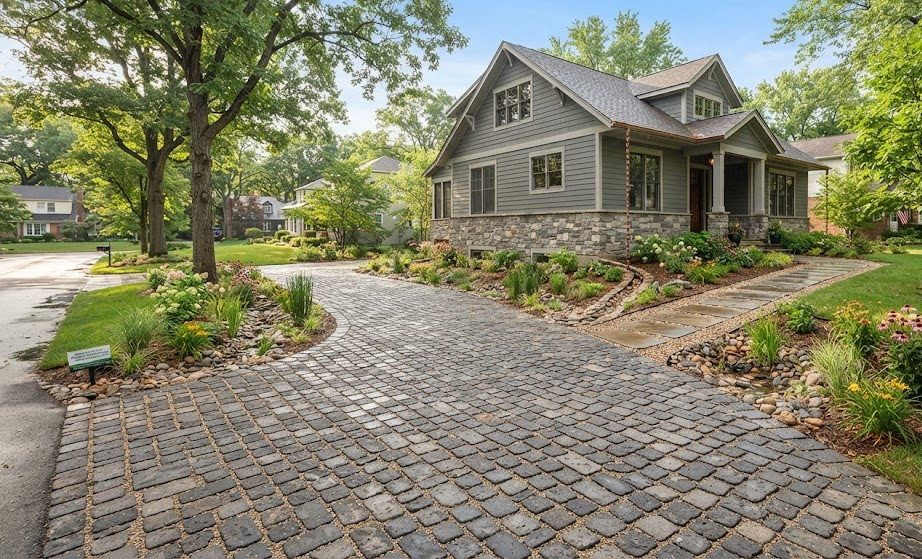
With increasing awareness about climate change and its impacts, homeowners are seeking effective ways to manage rainwater runoff on their properties. A well-designed residential driveway can play a pivotal role in minimizing water runoff, protecting foundations, and enhancing the landscape. This article explores various driveway features that reduce rainwater runoff, helping homeowners make informed choices for better sustainability.
Utilizing Permeable Materials to Absorb Water
One of the most effective ways to tackle rainwater runoff is by choosing permeable materials for driveways. Permeable pavers, porous asphalt, and pervious concrete allow water to pass through the surface, filtering it below.
Choosing Porous Asphalt
Porous asphalt is designed with fewer fine particles, creating small voids throughout the surface. This not only maintains a traditional asphalt look but also significantly improves the driveway’s drainage capacity. With a drainage rate of 100-200 inches per hour, porous asphalt is ideal for areas with moderate to heavy rainfall.
Exploring Pervious Concrete Options
Pervious concrete provides a distinctive alternative. Its unique composition—minimal fine aggregate—creates a rough, pebble-like texture that can handle significant water volumes quickly, with rates of 200-500 inches per hour. This makes it suitable for regions prone to heavy downpours.
Enhancing Driveway Design for Better Water Management
Beyond material choice, the design of the driveway plays a critical role in water management. Opting for features that encourage proper drainage can substantially reduce runoff.
Integrating Aggregates for Effective Drainage
Creating a layered base using crushed stone or gravel not only stabilizes the surface but also provides a reservoir for excess water. The typical design includes a bedding layer over a deep aggregate base, ensuring that water is absorbed efficiently and reduces the risk of pooling.
Implementing Proper Grading Techniques
Proper grading of the driveway is another essential element. The surface should slope away from the home and toward designated drainage areas, effectively channeling rainwater away from the foundation and minimizing the potential for flooding.
Incorporating Sustainable Drainage Solutions
Aside from materials and design, integrating sustainable drainage systems can further enhance the effectiveness of a residential driveway.
Utilizing French Drains
A French drain system can be installed alongside the driveway to channel excess water away. This system involves trenches filled with gravel or rock that redirect water away from problem areas, effectively preventing potential flooding.
Incorporating Rain Gardens
Rain gardens are another valuable strategy that can enhance the sustainability of a driveway. These gardens are designed to capture and absorb rainwater runoff, providing a natural filtration system that reduces pollutant levels before the water reaches the groundwater.
Regular Maintenance to Optimize Performance
Ensuring that drainage systems and driveway materials remain effective requires consistent maintenance. Homeowners should consider these maintenance strategies to prolong the lifespan of their driveways and their drainage efficiency.
Conducting Routine Cleaning
Regular cleaning, such as sweeping and vacuuming, helps prevent debris accumulation that can clog drainage systems. This is particularly crucial for porous surfaces that rely on open pores for effective water absorption.
Addressing Clogging Issues Promptly
Over time, some materials may become clogged with sediment. Early detection of pooling water can indicate potential clogging issues. Addressing these promptly through pressure washing or replacing aggregates can restore drainage efficiency and effectiveness.
Budgeting for Sustainable Driveway Solutions
While initial installation costs may be higher for permeable driveways, the long-term benefits often outweigh these expenses. Lower maintenance costs and potential rebates from local municipalities can significantly offset the upfront investment.
Evaluating Material Costs
Understanding the cost implications of various materials can help homeowners make informed decisions. For instance, porous asphalt and pervious concrete typically cost more than traditional materials, but their drainage benefits offer long-lasting savings.
Taking Advantage of Local Incentives
Many municipalities offer rebates for permeable driveway installations due to their environmental benefits. Homeowners should explore local programs that might reduce overall project costs while contributing to sustainable water management practices.
Leveraging Modern Technology for Better Outcomes
Advancements in technology have created innovative solutions for managing rainwater runoff in residential driveways. Homeowners can explore smart systems that integrate with existing drainage solutions.
Implementing Smart Drainage Systems
Smart drainage systems use sensors to monitor water levels and flow rates, ensuring optimal performance and alerting homeowners when maintenance is needed. This technology can help in managing water more effectively while reducing dependency on manual checks.
Exploring Eco-Friendly Additives
Incorporating eco-friendly additives into driveway materials can enhance their water-retention and filtration capabilities. These additives help improve the permeability of conventional materials, giving homeowners flexibility and sustainability.
Creating a residential driveway that minimizes rainwater runoff is not just about aesthetics; it’s a commitment to a more sustainable lifestyle. By working with experienced experts and implementing the right materials, designs, and maintenance practices, homeowners can significantly reduce runoff, protect their properties, and contribute to environmental conservation efforts.