
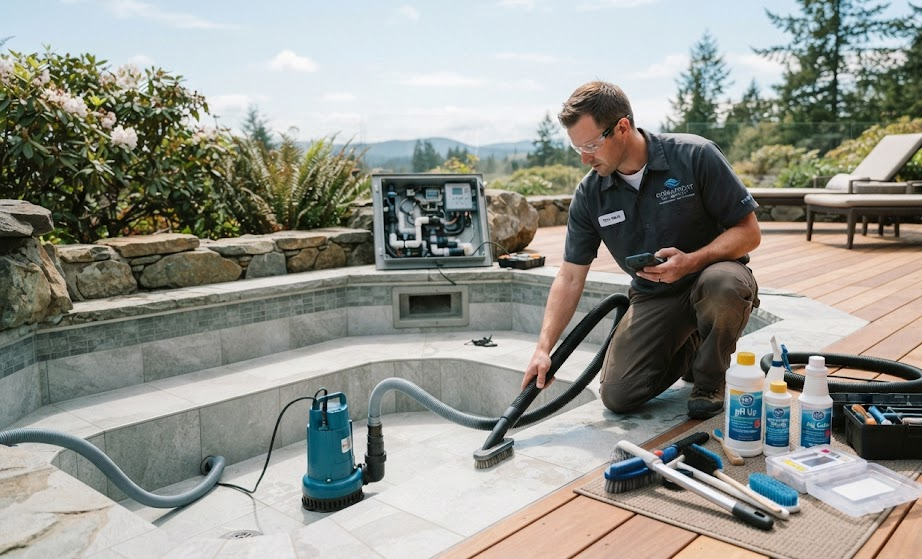
Owning a spa is about more than just enjoying a relaxing soak; it encompasses a commitment to regular maintenance to ensure water quality and equipment longevity. While achieving chemical balance is vital, it’s just one aspect of effective spa care. This guide explores what spa maintenance truly involves, covering essential practices that go beyond mere water chemistry.
Managing Spa Water Chemistry Effectively
At the core of a well-functioning spa is maintaining proper water chemistry. This involves three main elements: pH, total alkalinity, and sanitizers. Each plays a unique role in creating a safe and enjoyable soaking environment while protecting your investment.
Understanding pH: The Foundation of Water Balance
The pH level indicates how acidic or basic the water is, using a scale from 0 to 14. Ideally, spa water should maintain a pH between 7.2 and 7.8. Water that strays below this range becomes acidic, risking corrosion of metal parts and causing skin irritation. Conversely, a high pH level can lead to cloudy water, decreased effectiveness of sanitizers, and mineral scaling.
Achieving a balanced pH is not merely about comfort. Every minor fluctuation influences the effectiveness of treatments and user experience. Regular testing of pH levels ensures that guests enjoy a clean, inviting soak.
Stabilizing Water with Total Alkalinity
Total alkalinity acts as a buffer that stabilizes pH levels, preventing wild fluctuations. Maintaining alkalinity within the range of 80 to 120 parts per million (ppm) aids in sustaining consistent pH levels. If alkalinity is low, even small additions of chemicals can cause dramatic shifts in pH, complicating maintenance efforts.
Think of alkalinity as the support system for pH balance. Without it, minor adjustments can create imbalances that lead to complications in both water clarity and comfort. Ensuring proper alkalinity minimizes the overall effort needed to keep water balanced over time.
Using Sanitizers: Your First Line of Defense
While pH and alkalinity set the stage for water quality, sanitizers are essential for cleanliness. These chemicals eliminate harmful bacteria and organic contaminants that accumulate due to regular use. Popular options include chlorine and bromine. Chlorine is effective and quick-acting but can have a strong smell, while bromine remains stable in warmer conditions and is often gentler on sensitive skin.
Maintaining appropriate sanitizer levels is non-negotiable; readings that are too low exacerbate contamination risks, while excessively high levels can lead to user discomfort and even damage spa materials. Therefore, consistent monitoring is essential.
Emphasizing Regular Cleaning Practices
Beyond chemical management, regular cleaning is key to spa upkeep. A clean surface complements balanced water, preventing biofilms that can diminish sanitizer efficiency. Daily skimming for debris and weekly scrubbing of walls and benches are crucial tasks.
- Wipe the waterline with a non-abrasive cleaner to remove oils and residue.
- Skim floating debris regularly to keep filters from getting overloaded.
- Give walls and seating a gentle scrub weekly to eliminate buildup.
These routine tasks help maintain spa aesthetics and hygiene, creating a more inviting space for relaxation.
Maintaining the Spa Cover and Filters
The spa cover plays a critical role in reducing evaporation and keeping debris at bay. Wiping down the cover weekly with a damp cloth and a disinfectant ensures that it remains functional. Conditioning the vinyl monthly prevents it from cracking under sunlight and age.
Equally essential are the filters. Regular checks and cleaning are vital to maintaining efficient operation. Rinsing filters after each use along with deep cleaning every few weeks ensures optimal function. Filters generally should be replaced every 12 to 18 months.
Understanding Water Changes and Shocking Treatments
Even with stellar maintenance, water must be changed periodically, typically every 3 to 4 months, depending on usage. High usage and visible cloudiness signify it’s time for a refresh. Shocking treatments using a concentrated oxidizer eliminate organic build-up and ensure water remains clean and clear.
To properly shock your spa:
- Ensure pH and alkalinity are balanced.
- Pre-dissolve shock in a clean bucket before adding to running jets.
- Allow circulation and wait the recommended time before using the spa.
Seasonal Maintenance Considerations
Adjusting your maintenance routine according to the seasons is vital. Cold winter months require precautions like insulating the unit and running the pump to prevent freezing. In contrast, warmer weather brings increased evaporation and bacteria growth, necessitating more frequent water testing and cleaning.
For instance, double-checking these conditions can prove beneficial:
- Winter: Ensure the pump is operational to avoid freezing.
- Summer: Increase frequency of shocking treatments after parties or heavy use.
Professional Spa Maintenance: When to Seek Help
Even the best-curated maintenance plans may encounter issues that require professional intervention. Persistent chemical imbalances, electrical failures, or filtration system malfunctions are often outside the expertise of a casual owner. In such cases, consulting seasoned professionals can save you time and trouble, while ensuring your equipment remains reliable.
Scheduling an annual professional inspection can also spot potential issues before they escalate, ensuring your spa remains in peak condition.
Investing in Maintenance Tools
To streamline spa care, investing in the right tools cannot be overstated. A quality spa test kit and filter cleaner can make a significant difference. Having the appropriate tools allows for quick assessment and cleaning, improving efficiency in routine tasks.
Consider incorporating the following into your maintenance toolkit:
- Spa test strips for quick readings of chemical levels.
- Waterline cleaner to tackle oily residues.
- Spa vacuums and skimmers for manual debris removal.
This investment not only saves time but ensures a consistently safe and welcoming environment for all users.
Understanding the Bigger Picture of Spa Maintenance
While achieving water balance is fundamental, true spa maintenance transcends chemical testing and adjustments. An all-encompassing approach involves regular cleaning, equipment checks, and seasonal adjustments. Embracing this broader perspective will pave the way for a spa environment that remains safe, clean, and enjoyable for years.
For more insights on enhancing your upscale oasis, you can check out Pool and Spa Essentials in Greensborough.


