
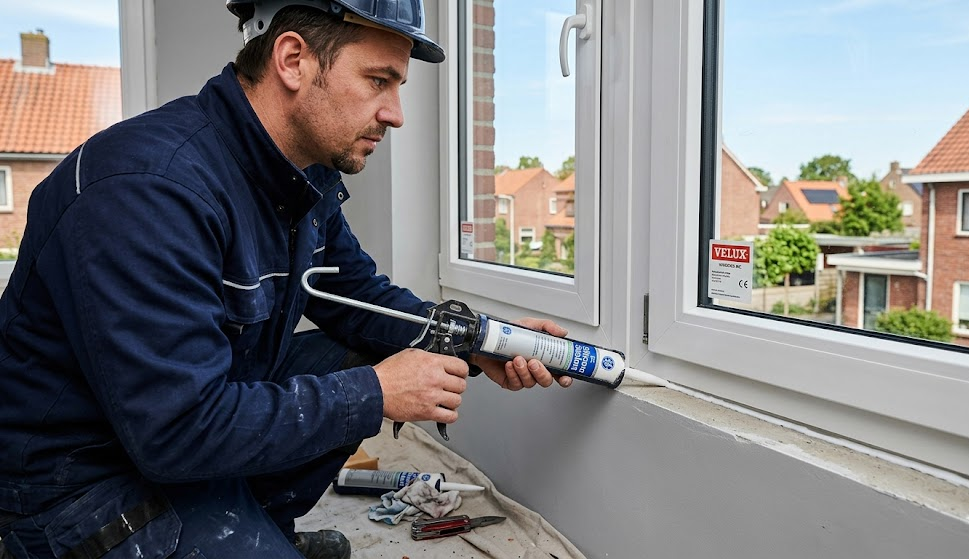
Homes are constantly exposed to various elements, particularly moisture, which can lead to significant damage over time. Proper maintenance, particularly through quality caulking, plays a vital role in safeguarding your home. By sealing gaps effectively, homeowners can prevent costly repairs while ensuring a more comfortable living environment.
Understand the Role of Quality Caulking
Quality caulking is a fundamental aspect of home maintenance that significantly contributes to moisture prevention. By creating a reliable barrier, it helps keep unwanted water at bay, safeguarding vital structural components from potential damage. This process involves filling gaps and cracks in areas that are most susceptible to moisture intrusion, effectively protecting your home’s integrity.
Protecting Structural Integrity
When water infiltrates the building, it can compromise the structural protection of your home. Areas around windows, doors, and plumbing fixtures are particularly vulnerable. If not properly sealed, these gaps can allow moisture to seep in, leading to conditions conducive to mold growth and deterioration.
Improving Energy Efficiency
In addition to preventing moisture, quality caulking can enhance your home’s energy efficiency. By sealing air leaks, it minimizes drafts, which translates to reduced heating and cooling costs. This simple upgrade makes an immediate difference in home comfort and significantly lowers your energy bills.
Select the Right Caulking Materials
Choosing appropriate caulking materials is essential for effective waterproofing. Each type has unique properties suitable for specific applications. Consider the following options:
- Silicone Caulk: Excellent for moist areas, creating a flexible and waterproof seal.
- Acrylic Latex Caulk: Easy to apply and paintable, ideal for indoor use.
- Polyurethane Caulk: Durable for exterior applications; it adheres well to various surfaces.
Understanding these options allows homeowners to tailor their approach based on the needs of different areas in the home.
Addressing Moisture Control
Proper sealing gaps and joints is vital for controlling moisture levels. Selecting waterproof caulking products can greatly enhance your home’s resilience against water damage. Here are effective options for moisture control:
- Silicone Sealants: Best for bathrooms and kitchens.
- Acrylic Latex Caulk: Suitable for moderate humidity areas.
- Expanding Foam Caulk: Perfect for large gaps where water might enter.
Preparation and Application Techniques
Effective caulking by professionals is not just about choosing the right product; it also requires proper preparation and application techniques. A well-prepared surface ensures that the caulk adheres correctly, providing a long-lasting durable sealant.
Surface Preparation Steps
Cleaning the area where you plan to apply caulk is crucial. Remove any dust, old caulk, or debris. A utility knife can be useful for scraping away old materials. Ensure that the surface is completely dry before application, as moisture can hinder adhesion.
Best Application Methods
When applying caulk, follow these steps for optimal results:
- Cut the nozzle at a 45-degree angle for better control.
- Maintain a steady flow while moving the caulking gun along the gap.
- Use a smoothing tool afterward for a clean finish.
These techniques contribute to creating a smooth, effective seal that resists water intrusion.
Regular Maintenance Strategies
To ensure lasting protection against moisture damage, regular maintenance of caulking is essential. Periodically inspect caulking for signs of wear and deterioration.
Visual and Physical Inspections
Conduct visual checks to identify any cracks or gaps in the caulk lines, especially after heavy rainfall. Performing touch tests along caulked seams can help detect soft spots or areas where the caulk has pulled away from surfaces. Regular inspections help catch issues early, preventing further damage.
Repair Techniques for Failed Caulking
If you discover damaged caulking, it’s vital to act quickly. Remove old caulk entirely using a utility knife before applying a new seal. Thoroughly clean the area to ensure proper adhesion for the new caulk. This proactive approach minimizes moisture penetration and protects your home from long-term issues.
Understanding the Consequences of Neglected Caulking
Failing to address caulking maintenance can lead to significant consequences, including structural issues and mold growth. Moisture intrusion not only compromises the integrity of your home but can also lead to health concerns for its occupants.
Mold Prevention through Effective Caulking
One of the most alarming consequences of inadequate mold prevention is the health risks associated with mold exposure. Poor-quality or deteriorating caulking can allow water to accumulate, creating an environment where mold thrives. Regularly updating your caulking helps ensure that your home remains safe and healthy.
By prioritizing quality caulking, homeowners can enjoy the long-term benefits of improved structural integrity, reduced energy costs, and the prevention of mold and moisture-related issues. A well-maintained home not only increases comfort but also retains its value, underscoring the wisdom of this small yet vital home maintenance step.


