
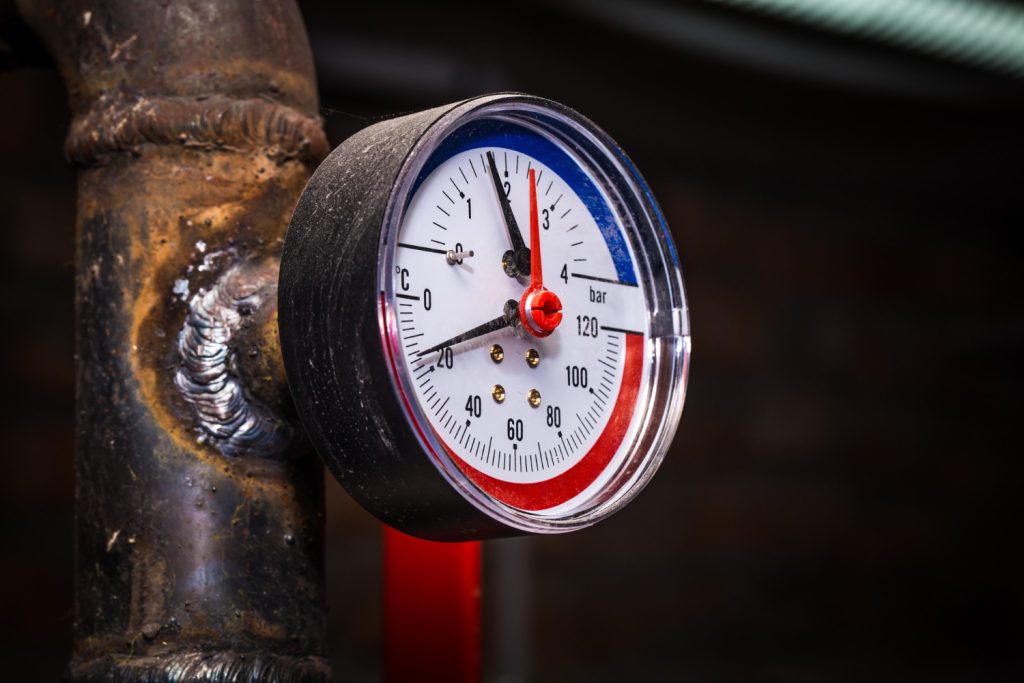
The demand for reliable air supply solutions has vastly increased in industrial settings, primarily due to the essential role that compressed air plays in various manufacturing and production processes. Compressed air systems serve a multitude of purposes, from powering pneumatic tools to enabling automation systems. A robust air supply ensures optimal performance, efficiency, and productivity.
The Role of Compressed Air in Industry
Compressed air is often viewed as the “fourth utility” in industrial settings, alongside electricity, water, and gas. Unlike these other utilities, however, the generation and usage of compressed air often entail significant operational costs. Therefore, understanding how to optimize air supply is crucial for any business aiming to enhance production capabilities.
A classic example can be seen in automotive manufacturing, where compressed air is used extensively for tasks such as painting, fastening, and even assembly line automation. The precision and reliability of compressed air systems can directly affect product quality.
Key Components of Air Supply Systems
Understanding the key components of an air supply system is vital for effective operation. A typical compressed air system consists of:
- Air Compressors: The heart of any air supply system, responsible for converting power into potential energy stored in compressed air.
- Air Dryers: Essential for maintaining air quality, these devices remove moisture from the compressed air, preventing corrosion and other detrimental effects on equipment.
- Filters: Help to eliminate particulates and contaminants, ensuring that the air remains clean and safe for use in various applications.
- Storage Tanks: Act as reservoirs for compressed air, allowing for consistent pressure supply and reducing the load on compressors.
Each of these components plays a critical role in optimizing industrial performance and enhancing system durability. When not properly maintained, these systems can lead to inefficiencies, increased wear and tear, and even catastrophic failures.
Ensuring Durability and Efficiency in Air Supply Systems
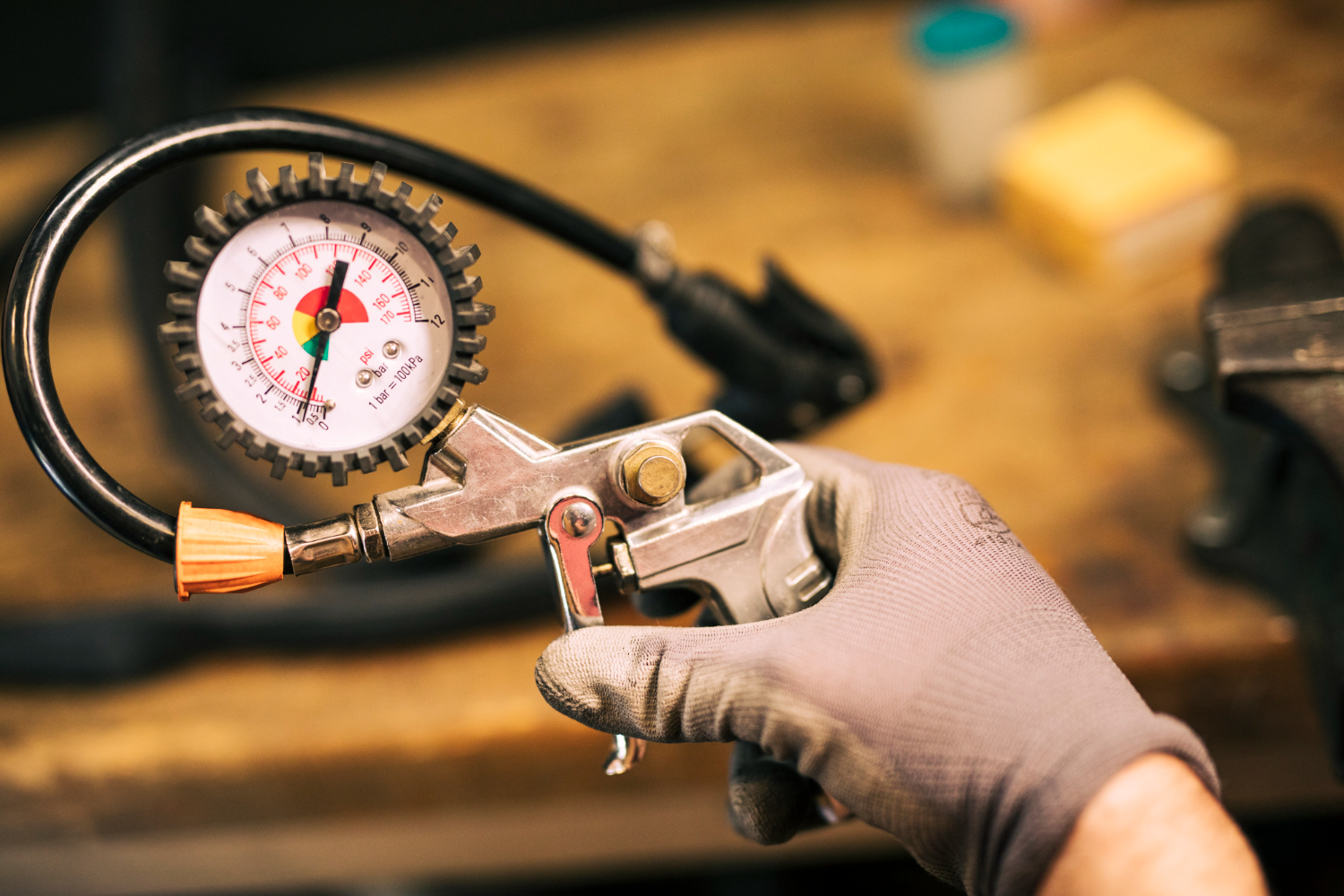
Durability and efficiency in air supply systems go hand in hand, but achieving both requires regular maintenance and proper optimization. The average industrial setting can face significant air leakage, which often amounts to up to 30% of compressed air usage being wasted. This not only represents lost energy but also poses challenges in maintaining performance.
 25
To improve the longevity and effectiveness of compressed air systems, consider implementing a strategic maintenance schedule. This should include regular checking of components, identifying leaks, and replacing filters and dryers as necessary. Each of these actions contributes significantly to maintaining system efficiency and operational stability.
Leak Detection and Management
Detecting and managing leaks is critical to sustaining a reliable air supply. Regular audits using ultrasonic leak detectors can identify issues that are otherwise invisible to the naked eye. Leaks not only waste resources but can also create unsafe working conditions if not addressed.
One effective approach is to establish a “leak repair program,” where identified leaks are prioritized based on their impact. Addressing these leaks promptly ensures that compressed air is used efficiently, enhancing overall control in various industrial applications.
Energy Efficiency Measures
Energy consumption is another area where costs can quickly escalate if not monitored. Implementing energy-efficient practices can significantly lower costs while maintaining high levels of industrial performance. Some practical measures include:
- Variable Speed Drives (VSDs): These adjust the compressor speed to match demand, reducing energy expenditure during low usage.
- Heat Recovery Systems: These capture waste heat generated during compression and repurpose it for facility heating, warming water, or other processes.
- Smart Monitoring Systems: These allow for real-time monitoring of pressure levels and energy consumption, giving operators the data needed to make informed decisions.
By adopting energy-efficient practices, companies can minimize their environmental footprint while maximizing operational effectiveness.
Optimization Strategies for Compressed Air Systems
Optimization of compressed air systems entails assessing and adjusting various elements to enhance performance. This can involve both technological upgrades and operational changes.
Implementing Advanced Technologies
Modern air supply systems can significantly benefit from advanced technologies such as IoT-enabled devices and artificial intelligence. By collecting real-time data, these technologies can help in forecasting demand and adjusting supply accordingly. This leads to smoother operations and reduced wastage.
For instance, predictive maintenance algorithms can assess system conditions in real-time and predict when a component might fail. This allows operators to take proactive measures, avoiding downtime and saving costs associated with unexpected breakdowns.
Employee Training and Best Practices
While technology plays a critical role in system optimization, human factors can greatly impact performance. Training your team to understand the nuances of the compressed air systems and instilling best practices can yield significant results. This includes handling equipment properly, following safety standards, and actively participating in maintenance routines.
Working with an experienced Air Supplier and Fluid Power Specialist provides more than just equipment—it delivers expertise. Professional suppliers assess system demand, recommend tailored solutions, and support long-term efficiency through proper sizing, maintenance, and advanced monitoring technologies.


