
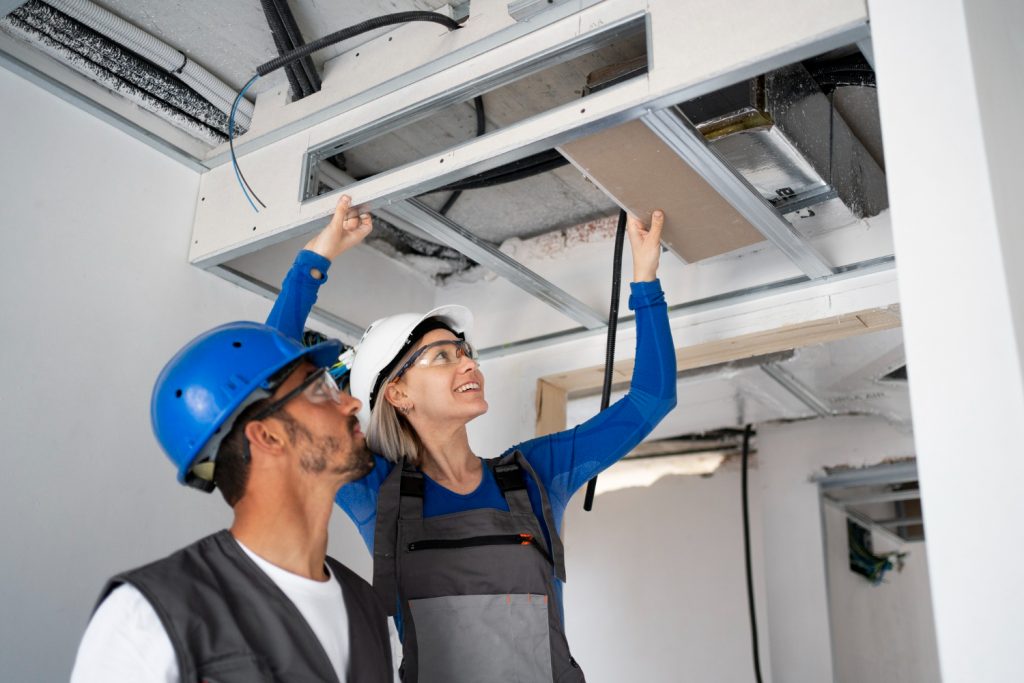
Efficient ductwork installation plays a crucial role in optimizing indoor airflow, impacting everything from air quality to energy efficiency. The air distribution system in any building serves as the backbone of its HVAC system, affecting how air circulates and how comfortable environments are maintained. Poorly designed or installed ductwork can lead to numerous issues, including inconsistent temperatures, increased energy bills, and overall reduced comfort.
Key Considerations for Ductwork Installation Efficiency
When planning for ductwork installation, several factors must be considered to ensure efficiency. One of the most important is the environmental impact of the installation process itself. Utilizing materials that are both durable and sustainable can significantly lower long-term costs and maintenance efforts.
Moreover, the location of ducts within the building structure is paramount. Ducts that run through unconditioned spaces, such as attics or crawl spaces, can lead to significant energy loss. While it may be tempting to save space or costs by routing ducts through these areas, doing so often results in higher energy bills and unhappy occupants.
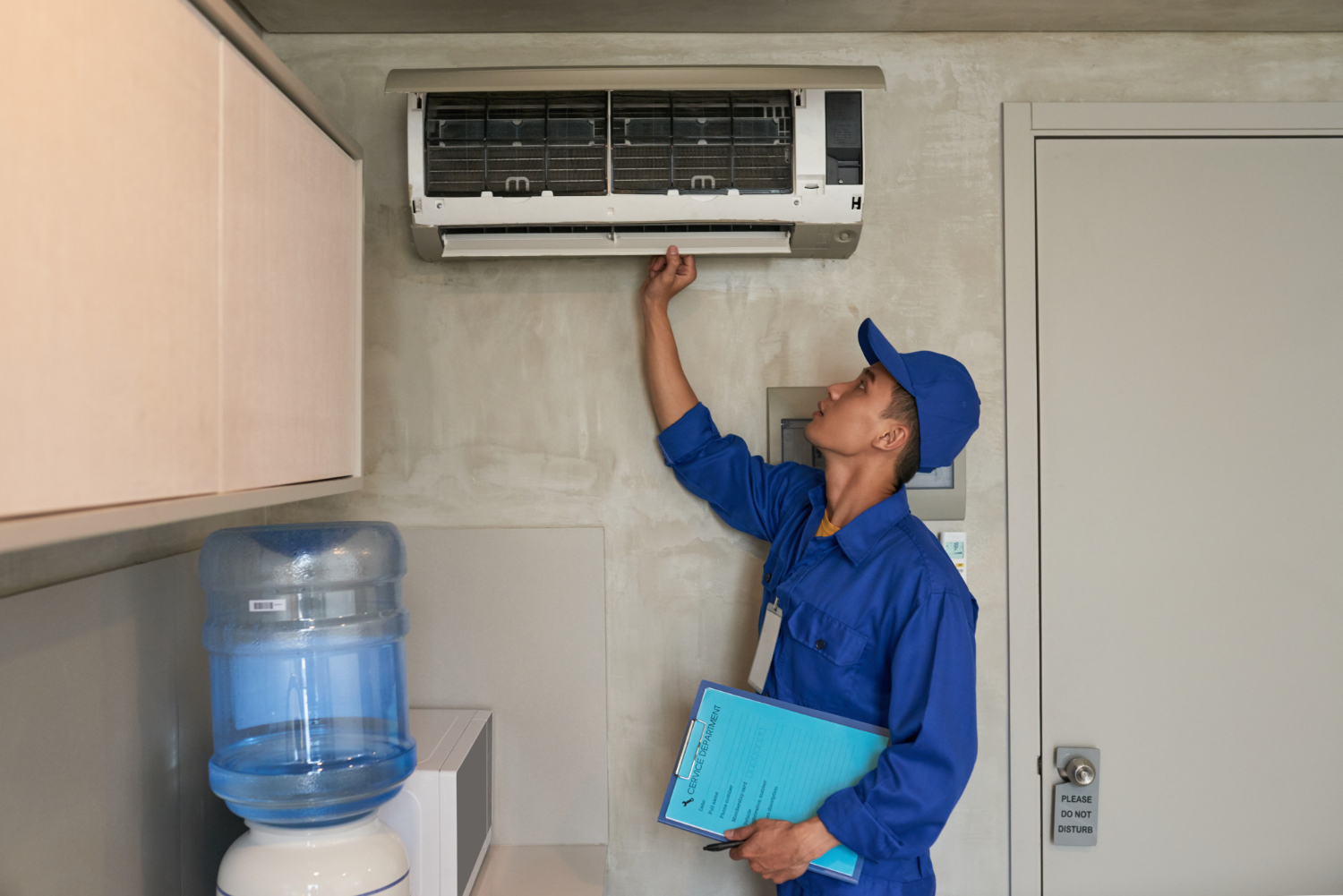
In addition to positioning, insulation of the ductwork is critical. Insulating ducts that traverse unheated or uncooled zones reduces the potential for energy loss, especially in extreme weather conditions. The type of insulation can vary, with options ranging from fiberglass to foam insulation, each offering different thermal properties and ease of installation.
| Insulation Type | Benefits | Considerations |
|---|---|---|
| Fiberglass | Cost-effective, good thermal resistance | Can absorb moisture if not properly sealed |
| Foam | Higher R-value per inch, minimizes air leaks | More expensive, may require professional installation |
Another crucial consideration relates to air leakage. Sealing joints and connections in the ductwork can prevent air loss and improve overall energy efficiency. It’s critical to employ high-quality materials and sealants that will endure over time, as even small leaks can lead to substantial energy inefficiencies.
Maintaining Indoor Airflow with Smart Technology
The advent of smart technology provides exciting opportunities to enhance ductwork efficiency further. Smart HVAC systems can automatically adjust airflow based on real-time data gathered from various sensors, ensuring optimal performance tailored to current needs. This technology can monitor air quality, indoor temperatures, and humidity levels, making adjustments that improve not only indoor airflow but also overall energy management.
For example, implementing smart thermostats that control airflow can help reduce energy waste. When sensors identify low occupancy, the system can reduce airflow to unoccupied rooms, maintaining essential air quality while lowering energy consumption.
The integration of smart air quality monitoring systems can also provide insights into pollutants and allergens present in the air. This data can guide building managers in taking necessary corrective actions to maintain healthful indoor environments. In this way, monitoring technology not only contributes to comfort but actively enhances the building occupants’ health.
Conclusion on Efficient Ductwork Installation Techniques
Innovations in ductwork installation are shaping the future of building management, emphasizing the importance of efficiency not just for comfort but also for energy savings and environmental considerations. The approach to designing and installing duct systems has evolved to incorporate not only technical specifications but also ecological responsibility.
As society continues to place greater emphasis on sustainable living, the ductwork that efficiently channels both heating and cooling will become even more significant. Those who prioritize proper installation techniques will enjoy lower energy costs and improved indoor air quality. Ultimately, understanding the nuances of ductwork efficiency will pave the way to more comfortable and healthier living and working environments.
For additional insights into effective air distribution systems and smart technology integrations, consider exploring related articles that delve deeper into these subjects.
For professional ductwork installation tailored to your building’s needs, partnering with an experienced company like Costa Mechanical ensures reliable airflow performance, long-term energy efficiency, and compliance with modern HVAC standards.


