
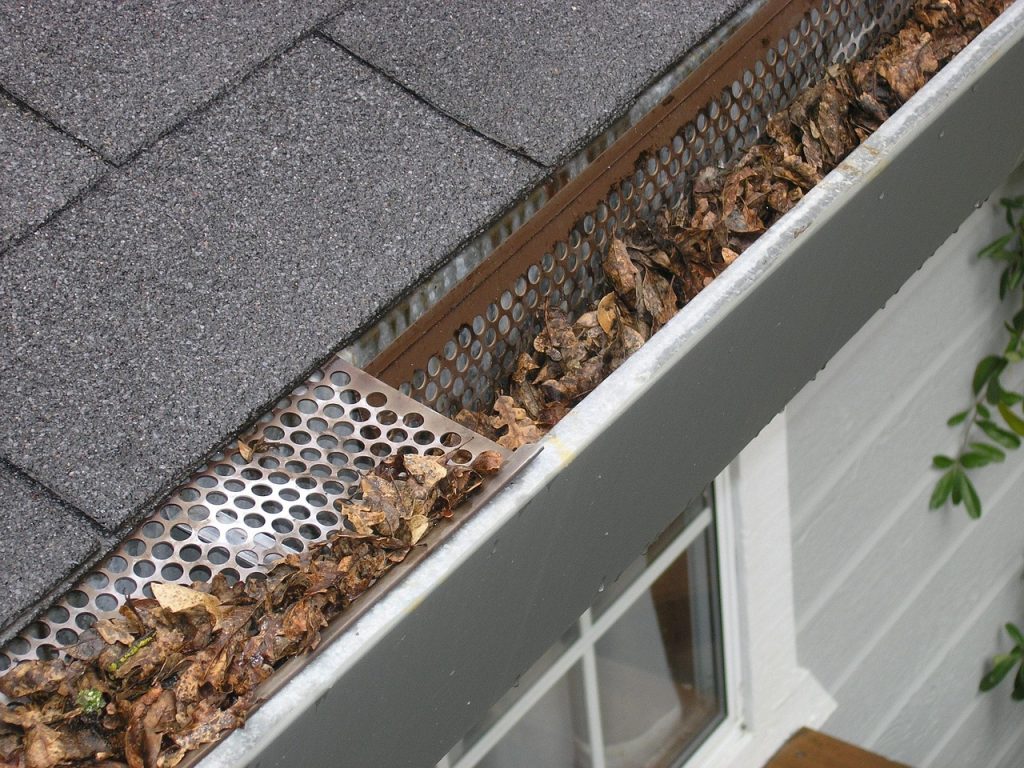
Rain gutters are vital components of any home, integral to protecting it from water damage. They serve the important purpose of directing rainwater away from the roof, walls, and foundation. When functioning properly, gutters prevent a host of issues including leaks, rot, and soil erosion around your property. However, when they are clogged or damaged, the ramifications can lead to costly repairs and diminished structural integrity.
Cleaning Your Gutters: A Key Component of Maintenance
A critical aspect of gutter maintenance is performing regular cleanings. During the cleaning process, homeowners should prioritize the removal of debris to ensure water flows freely. Proper cleaning not only aids in clog prevention but ensures the longevity of the gutter system itself. The common recommendation is to clean gutters at least two to three times a year, especially after leaf dropping in the fall or after significant storms.
When dealing with debris removal, it’s essential to take safety precautions. Using a sturdy ladder is a must, and wearing gloves can protect your hands from sharp objects while removing accumulated leaves, twigs, and other unwanted materials. It’s recommended to put sizeable debris into a bucket rather than letting it fall to the ground, which can create additional cleanup work later.
A systematic approach to cleaning involves these basic steps:
- Start with removing large debris using gloves or a trowel.
- Use a garden hose to flush out smaller particles and ensure water flows smoothly.
- Check the downspouts for blockages and make sure water can drain freely.
In certain instances, downspouts themselves may be clogged and in need of attention. An effective way to check the functionality of a downspout is to gently tap along the length of the pipe; if it sounds solid, there may be blockages inside. It’s prudent to run water through the gutter system to confirm its overall performance.
Seasonal Inspection: The Backbone of Gutter Maintenance
Scheduling seasonal inspections of your rain gutters can significantly contribute to preventing issues before they arise. These checks should occur at least twice a year, ideally just before the onset of rainy seasons. During these inspections, homeowners can identify early warning signs of damage that could escalate if left unaddressed.
Parts of the gutter that require keen attention include sagging sections, cracks, rust spots, or any signs of wear. These indicators might seem minor at first but can lead to larger headaches without prompt action. For example, a small crack can evolve into a gaping hole if not repaired, resulting in extensive leak repair needs.
Creating an inspection checklist can maximize efficiency during these reviews. Homeowners can document findings for future reference, highlighting trouble areas that need cleaning or additional attention:
- Debris accumulation in the gutters.
- Visible water stains on exterior walls.
- Presence of rust or small leaks in sections.
- Water pooling near the foundation.
Moreover, inviting a professional for periodic inspections can provide an extra layer of assurance. Trained experts often catch problems that may have gone unnoticed, ensuring your gutters are in perfect working order and effectively channeling rainwater away from your home.
Identifying and Addressing Common Gutter Problems
Homeowners often overlook various common gutter problems, which can exacerbate over time. Identifying these issues early can help prevent costly repairs down the road. Some typical issues include sagging gutters, cracks, and signs of rust, all of which can complicate water management.
Sagging gutters usually occur when brackets become loose or when heavy debris weighs them down. This misalignment can lead to ineffective water diversion, causing water to seep into the home’s structure. To address sagging gutters, it’s crucial to re-secure or replace the brackets as needed before further damage occurs.
Equally concerning are cracks or small leaks that can allow water to escape. Over time, this can lead to damaged siding or compromised structural components. To prevent these issues from growing, regular inspections should focus on these areas. Tiny leaks can often be sealed with appropriate gutter sealants, but if cracks are extensive, replacing sections may be the more practical solution.
Another critical aspect to monitor involves pooling water near the foundation. This can indicate poor drainage and may threaten the integrity of your home. In such cases, examining the slope of your gutters or considering additional downspouts to improve drainage could provide effective solutions.
Creating a reference table can be handy for homeowners when evaluating gutter issues and their implications:
| Problem | Consequence | Recommended Action |
|---|---|---|
| Sagging gutters | Poor water flow | Re-secure brackets or replace sections |
| Cracks or rust | Potential leaks | Sealants for smaller leaks; replacement for extensive damage |
| Pooling water | Foundation damage | Assess slope and add downspouts if needed |
For those considering systemic changes, exploring new gutter technologies that feature improved water flow and durability can be a great investment. These innovations enhance gutter performance and significantly reduce ongoing maintenance needs.


