
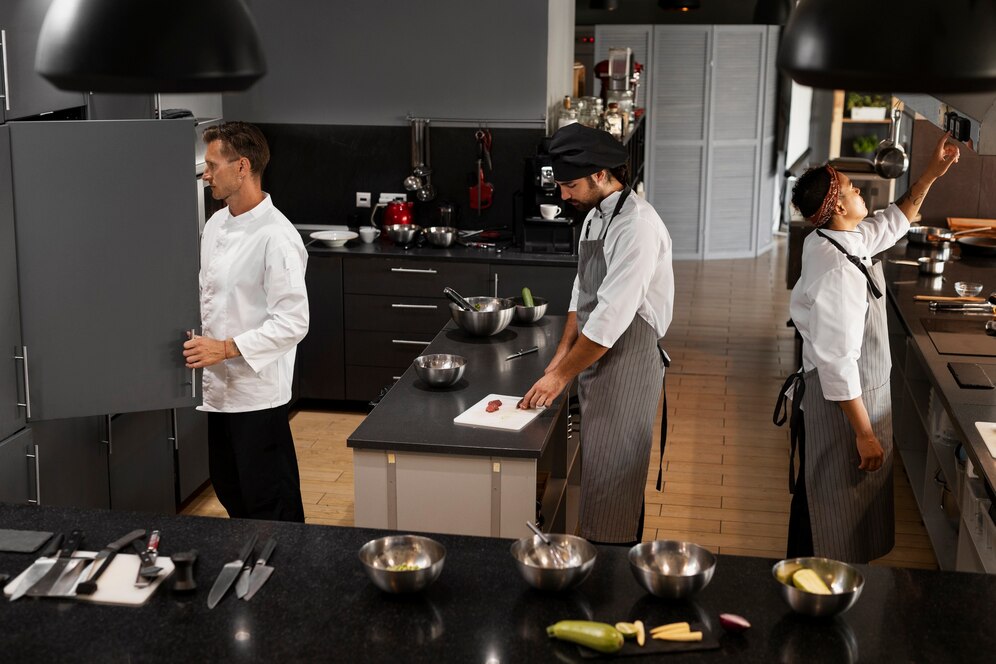
Proper kitchen ventilation is essential for maintaining a healthy and enjoyable cooking environment. Effective ventilation helps eliminate smoke, odors, and moisture that can build up while cooking, ensuring your kitchen remains a pleasant space. One of the most critical components in achieving optimal kitchen ventilation is selecting the right ducting for your range hood. In this article, we will explore the importance of range hood ducting, the types of ducts available, and the best practices to boost your kitchen’s ventilation.
The Importance of Range Hood Ducting for Kitchen Ventilation
When cooking, the air in your kitchen can quickly become polluted with steam, smoke, and other pollutants. A well-ventilated kitchen helps prevent these unwanted elements from accumulating, thus enhancing air quality. Venting through a range hood effectively removes these contaminants from the kitchen, helping maintain comfort and safety.
Moreover, proper ductwork is crucial for the effective functioning of your range hood. Improperly installed ducts or inappropriate sizing can significantly reduce the efficiency of your ventilation system. This inefficiency can result in lingering odors, moisture buildup, and even potential health hazards from cooking fumes.
Common Venting Problems and Solutions
Understanding the common challenges in kitchen venting is essential for homeowners and contractors. The most typical issues include:
- Poor Airflow: Caused by a blocked vent, insufficient duct size, or a faulty motor.
- Noise Issues: Often related to loose ductwork or a malfunctioning motor.
- Humidity and Moisture Build-Up: Can lead to mold and mildew if not adequately managed.
To address these issues, consider the following solutions:
- Perform regular maintenance on your range hood and ductwork to ensure efficiency.
- Install ductwork that matches the range hood’s CFM requirements for optimal performance.
- Evaluate the installation of a high-efficiency motor to reduce noise.
Choosing the Right Type of Ducting for Your Range Hood
When it comes to range hood ducting, there are multiple options available. Generally, the most popular types of ducting used in kitchens include:
- Metal Ducts: These are the preferred choice due to their durability and efficiency. They allow for smoother airflow, reducing resistance considerably.
- Flexible Ducts: While easier to install, flexible ducts can restrict airflow due to their ribbed design.
- Rigid Ducts: This type is more challenging to install but provides the best airflow.
In terms of sizing, the diameter of your ducts must correlate with the capacity of your range hood. For instance, a range hood with a capacity of 400 CFM typically requires about 4-inch ducting. Below is a simplified guideline of duct sizes based on airflow:
| CFM Rating | Duct Size |
|---|---|
| 200 – 400 | 4 inches |
| 400 – 600 | 6 inches |
| 600 – 1000 | 8 inches |
| Above 1000 | 10 inches |
Best Practices for Efficient Duct Installation
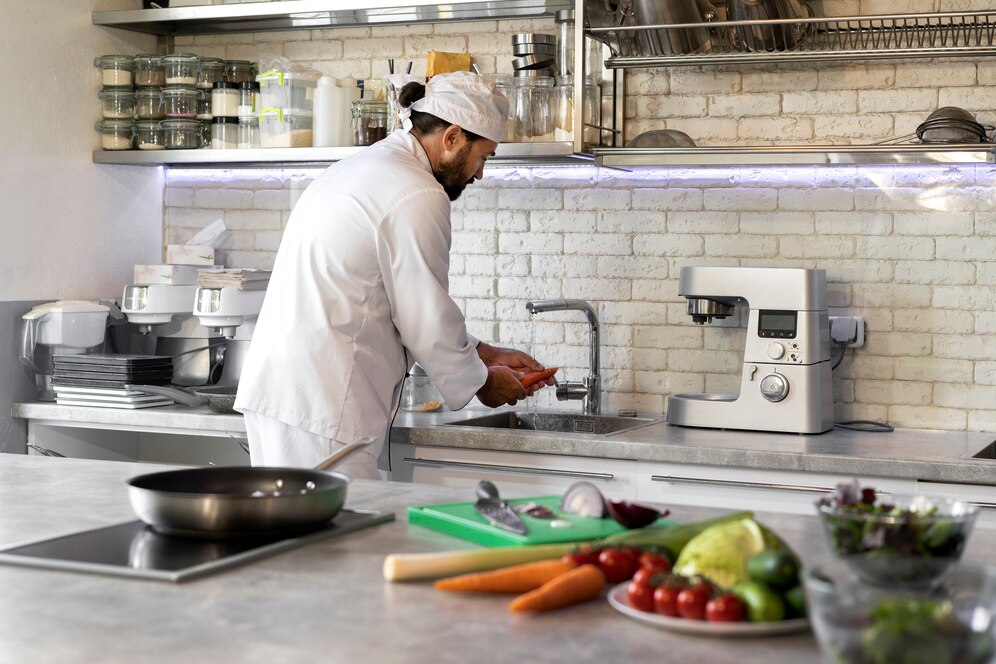
To maximize the efficiency of your kitchen ventilation, proper duct installation is paramount. Here are some best practices:
- Minimize the number of bends and turns in the ductwork to reduce airflow resistance.
- Keep duct runs as short as possible; longer runs compromise performance.
- Seal all joints and connections to prevent air leakage.
When designing your ductwork layout, consider the following:
- Vertical ducts are often more efficient but require more planning.
- If horizontal ducts are necessary, ensure they are insulated to minimize condensation.
- Consult with a professional if unsure of the best setup for your kitchen.
Retrofitting for Improved Kitchen Ventilation
Retrofitting an existing kitchen with enhanced ventilation options can prove beneficial, especially in homes with outdated systems. This could involve replacing old range hoods with newer models or upgrading ductwork to more efficient configurations. Why is retrofitting essential?
- Improves air quality and reduces health risks associated with poor ventilation.
- Increases energy efficiency, resulting in potential cost savings on utility bills.
- Enhances overall kitchen functionality and comfort.
Here are some retrofit strategies to consider:
- Assess current airflow and identify areas needing improvement.
- Choose a range hood that meets today’s performance standards.
- Consult professionals for the installation of ductwork that meets code requirements.
Transforming an outdated system not only improves your kitchen environment but can also increase the market value of your home.
Ultimately, optimizing kitchen ventilation through effective range hood ducting involves understanding airflow, choosing the right duct type, and installing it correctly. A well-ventilated kitchen contributes not only to a better cooking experience but also to the overall well-being of your household. For expert advice on kitchen ventilation solutions, you can explore the offerings from various manufacturers such as EZ Duct Work Inc. to find a range hood suited to your needs. To maximize your kitchen’s performance, ensure that you consider all your options, including the ducting systems and the installation practices that will yield the best results for your home.


