
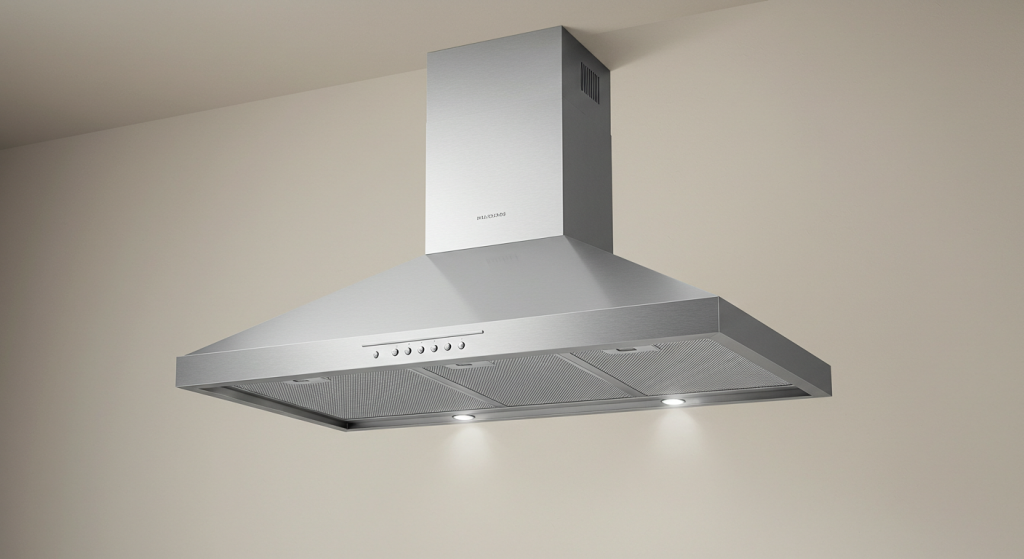
In the heart of every kitchen lies a fundamental yet often overlooked element: effective ductwork. Just as the right tools elevate the culinary experience, quality ductwork plays a pivotal role in ensuring your range hood performs optimally. It is the silent enabler behind a well-ventilated kitchen, vital for maintaining air quality and enhancing the functionality of cooking appliances.
The Importance of Quality Ductwork for Your Range Hood
Quality ductwork is not merely an accessory; it is an essential component of your kitchen ventilation system. Understanding its significance starts with recognizing how it impacts several aspects of your cooking experience. The primary purpose of a range hood is to eliminate unwanted odors, steam, and heat produced during cooking processes, thus ensuring a healthier and more comfortable environment.
One of the most compelling arguments for investing in quality ductwork lies in its ability to improve airflow efficiency. When airflows smoothly through ducts, the range hood can perform its job more effectively, which means less noise and enhanced removal of pollutants. Without adequate ductwork, smoke, and kitchen odors may linger, creating discomfort and an unhealthy atmosphere.
Moreover, opting for durable materials, such as stainless steel or aluminum, for ductwork can ensure a long-lasting solution that withstands wear and tear. Metal ducting offers several advantages, including superior fire resistance and less susceptibility to grease buildup compared to flexible alternatives.
How Ductwork Impacts Air Quality
The connection between ductwork and air quality is undeniable. Modern kitchens are breeding grounds for airborne contaminants—grease, smoke, and moisture can all compromise the air you breathe, making effective ventilation vital. Well-designed duct systems can carry away these contaminants effectively, generating fresh air circulation throughout the kitchen.
- Efficient Removal of Odors: Quality ductwork ensures that unpleasant cooking smells are promptly expelled, enhancing the cooking experience.
- Reduction of Moisture: Moisture build-up can lead to mold and mildew, making your kitchen a less healthy environment. Proper ducting aids in minimizing this risk.
- Higher Airflow Rates: A carefully planned duct can encourage a lower static pressure, meaning the range hood can operate at optimal CFM (cubic feet per minute) levels.
Selecting the Right Duct Material for Optimal Performance
The choice of ducting material significantly influences the performance and longevity of your kitchen ventilation system. Various materials present unique advantages and disadvantages, contributing to the overall effectiveness of your range hood.
| Ducting Material | Durability | Maintenance Requirement | Airflow Efficiency |
|---|---|---|---|
| Stainless Steel | High | Low (regular cleaning) | High |
| Aluminum | Moderate | Moderate | High |
| Flexible Ducts | Low | High (frequent cleaning) | Moderate |
As soon as you consider the performance of your range hood, the type of ducting material becomes pivotal. Metal ducts, due to their robustness and fire-resistant properties, are typically favored for both residential and commercial applications. Conversely, flexible ducts, while they may seem convenient for tricky fits, possess limitations in airflow efficiency due to their tendency to collect debris and grease.
Installation Techniques That Enhance Performance
The installation of ductwork for your range hood should never be a haphazard process. Proper installation techniques serve not only to enhance the functionality of the range hood, but also to align with safety standards. A well-placed duct system will streamline airflow, reducing the chances of blockages that can lead to poor performance.
Some key techniques to consider during installation include:
- Sealing Connections: Ensure all connection points are secured and sealed. This avoids potential leaks that could compromise airflow.
- Avoiding Long Runs: Limit the length of duct runs and minimize bends to reduce static pressure, which directly impacts airflow.
- Regular Maintenance: Regular inspections can help identify any wear or blockage in the duct system, ensuring continuous top performance.
Maintaining Your Ductwork for Optimal Range Hood Efficiency
Once installed, maintaining ductwork is crucial for ensuring long-term performance. It’s akin to regular maintenance for your vehicle; addressing issues promptly can prevent bigger problems down the line. Neglecting ductwork can lead to a build-up of debris and grease, rendering the ventilation system less effective.
Here are some maintenance tips that every homeowner should consider:
- Regular Cleaning: Periodic cleaning of ducts is paramount. This includes both the exterior and the interior, ensuring no blockage hampers airflow.
- Filter Changes: The filters in your range hood should be replaced or cleaned regularly to maintain optimal performance. Different types of filters may have variable lifespan metrics.
- Professional Inspections: An annual inspection by a qualified technician can help identify hidden issues not visible to the untrained eye.
In 2025, as energy efficiency becomes a priority for homeowners, maintaining well-installed and regularly cleaned ductwork can save on energy costs and improve overall air quality in your kitchen.
To ensure lasting results and a rewarding cooking environment, consider reaching out to experts like EZ Duct Work Inc. who specialize in kitchen ventilation solutions tailored to your needs.


