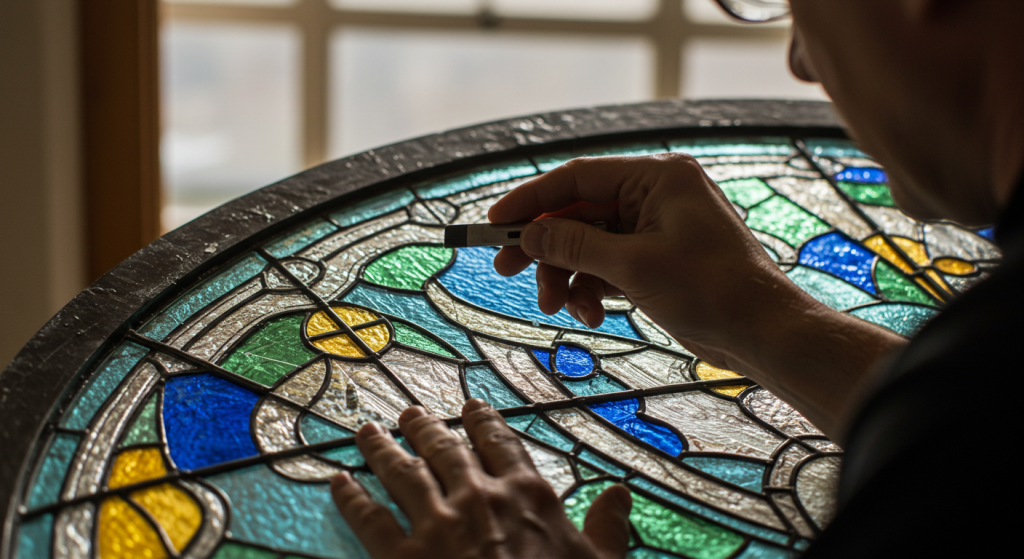
Stained glass windows are not only a breathtaking feature of historic buildings but also represent a significant investment in artistry and craftsmanship. As these windows age, often exceeding 100 years, understanding the essentials of stained glass restoration becomes vital for homeowners looking to preserve their beauty and integrity. This guide will outline the key aspects of restoration, including the deterioration processes, required skills, and maintenance tips to ensure that these magnificent windows can continue to enhance the charm of your property for generations to come.
Understanding Stained Glass Deterioration
Stained glass windows, often the highlight of historic buildings and homes, hold significant cultural value and aesthetic appeal. However, with many of these renowned glassworks being over a century old, they are susceptible to a myriad of issues that can affect their integrity and beauty.
Over time, stained glass can deteriorate through various factors. As the supporting structure around the windows weakens, it becomes more vulnerable to moisture intrusion and air leaks. This moisture can cause the internal lead to oxidize, weaken, and ultimately become brittle or thin. Signs of deterioration can include sagging and bulging of the glass, necessitating professional attention for restoration.
Expert Techniques in Stained Glass Restoration
Restoration is a meticulous process requiring both art and science. A qualified restorer needs a deep understanding of the techniques involved in handling fragile glass. Here are a few critical skills and techniques that a restorer should employ:
- Evaluation of Damage: Assessing the stability of the glass paint and recognizing frame corrosion are pivotal first steps.
- Expert Disassembly: The art of carefully disassembling antique windows is essential; a mishandling can lead to irreversible damage.
- Creative Reproduction: For damaged painted glass, experienced restorers can recreate lost visuals, often matching historical artistry.
Identifying and Addressing Painted Glass Issues
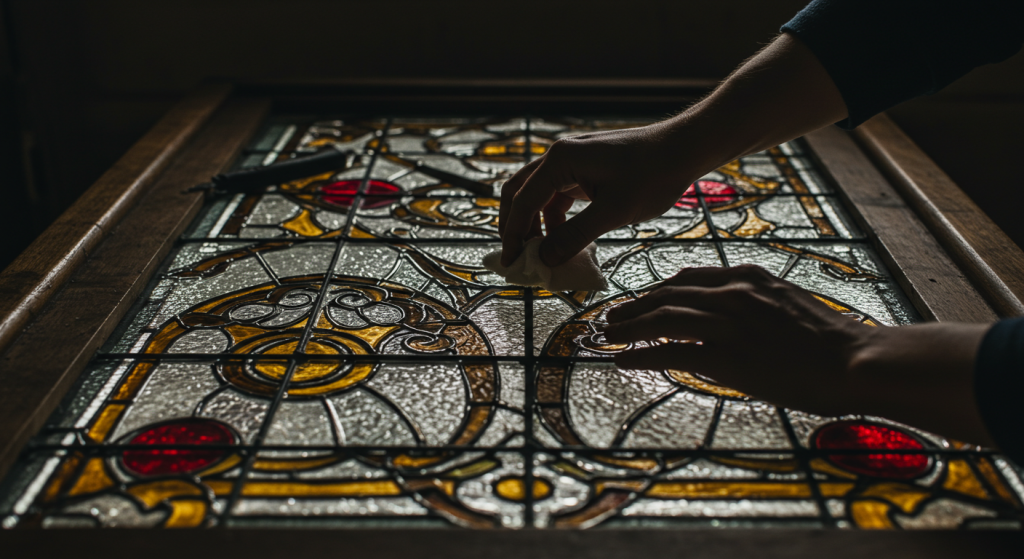
A particularly heartbreaking scenario for homeowners is the vandalism or unintentional damage to painted glass. This specialized form of stained glass tells a story, and when parts of it are lost, restoration is crucial. Experienced restorers, like those led by Jeffrey Mueller—a master in 1800s European glass—can carefully recreate these lost designs, sometimes even mimicking the faded effects of long-ago paint.
A clear record of what was lost is invaluable. Homeowners should maintain a detailed portfolio of photographs to aid the restoration process. This important step ensures not just the aesthetic appeal but also the cultural authenticity of the restored piece.
On-Site Repairs: When is it Possible?
In some instances, if deterioration is identified early on, on-site repairs can be realistic. Minor bulging or small breaks can sometimes be addressed without removing the window. Techniques such as recementing and small-scale releading can provide quick fixes. However, full recementing—the best method to ensure longevity—often requires the window to be safely laid flat.
Ensuring that your stained glass windows are stable and weather-proofed can protect them for another 75 to 100 years. This long-term approach is far more beneficial than temporary measures that may risk the integrity of the window.
Preserving Your Stained Glass Windows
Regular maintenance is paramount to extending the life of your stained glass. Here are essential tips for homeowners:
- Climate Control: If your stained glass is protected by an outer covering, ensure it has proper ventilation to avoid heat buildup.
- Frame Integrity: Regularly inspect the frame for signs of rot or decay, ensuring that the glazing compound remains intact to support the window adequately.
- Reglazing, when Necessary: Pay attention to any rattling windows or air leaks—these could indicate the need for reglazing or even recementing to ensure stability and waterproofing.
Understanding the Complexities of Restoration
The restoration process can be strenuous and time-intensive. Each small detail, from removing to reassembling each layer of glass to applying high-hearted, specially-alloyed lead came, requires precision and expertise. Even the reapplication of glass in antique-style patterns demands a skilled hand to reproduce the exact effect as initially intended. The use of photographic documentation and careful rubbings during disassembly can provide a roadmap for rebuilds.
Investing in stained glass restoration not only maintains the historical value of your home but also enhances its beauty and character. A well-cared-for stained glass window isn’t just a window; it’s a piece of art that deserves respect and care. As homeowners, understanding these specifics equips you with the knowledge necessary to engage with professionals and make informed decisions.
For an extensive overview of glass materials and techniques beneficial in renovation, check out the guide on glass for renovation. Additionally, if you seek advice on keeping your valuable investments pristine, consider the insights provided in our auto detailing guide. For assistance with graffiti stains or other restoration tips, learn more about it here.
For professional stain glass restoration, look no further than Penrose Glass, where we ensure your windows are treated with the utmost care and expertise.