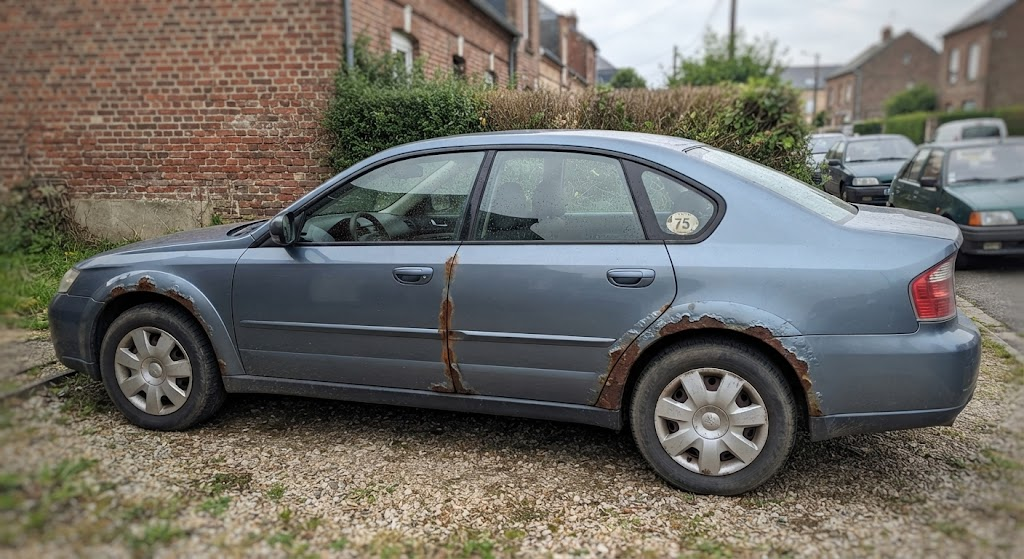
Rust rarely begins with a dramatic hole: it often starts where water, salt and road debris collect, then works beneath paint and unseen seams. Wheel arches and door edges are frequent trouble spots, but rocker panels, underbodies and trunk seams also deserve attention because corrosion can spread from exposed surfaces into concealed metal. Knowing what to inspect helps distinguish a cosmetic blemish from damage that threatens body strength or safety.
Inspect Common Areas for Car Rust Repair
Rust forms when iron reacts with oxygen and moisture. Road salt accelerates the process, while chipped paint, trapped dirt and blocked drainage allow water to linger against bare or vulnerable metal.
Begin inspections where debris and moisture tend to gather. Look for paint bubbling, reddish-brown spots, rough metal, swelling seams or peeling paint; these signs can indicate corrosion beneath the visible surface.
Several body areas merit particular attention because they face regular exposure or conceal seams where moisture can collect:
- Wheel arches: Stone chips and packed mud make wheel arch rust repair a common need, especially along the arch lip and inner wheelhouse.
- Door edges and seams: Door edge corrosion may develop where paint is chipped or water drains poorly.
- Lower body panels: Rocker panel rust can spread behind trim, while fender corrosion often starts near the wheel opening.
- Underbody and trunk: Salt, damp debris and hidden seams can conceal corrosion before it becomes visible from outside.
Assess Rust Severity Before Repairing
Once corrosion is located, assess how deeply it has penetrated. Surface rust affects the outer metal, whereas perforation or damage across multiple layers can compromise body strength and may require cutting, welding or replacement metal.
Use the affected area and its function to guide the next step. Corrosion near structural supports, suspension mounts, brakes or other safety-related components calls for a professional inspection rather than a cosmetic patch.
| Rust condition | Typical sign | Appropriate response |
|---|---|---|
| Surface oxidation | Light discoloration or roughness | Clean, remove corrosion and protect the metal |
| Under-paint corrosion | Bubbles, swelling or flaking paint | Expose the affected area and assess its depth |
| Perforating or structural rust | Holes, weakened seams or compromised supports | Arrange specialist assessment and metal repair |
A careful assessment matters because paint bubbling can be only the visible edge of a larger problem. For broader restoration work, the stages involved in professional classic car restoration illustrate why preparation and sound metalwork come before refinishing.
Repair Rust With the Right Method
Minor surface rust may be suitable for careful rust removal when the metal remains intact. The area must be cleaned and dried, loose corrosion removed, and the prepared metal treated with compatible primer and paint according to product instructions.
Where corrosion has eaten through a panel, sanding alone cannot restore strength. Automotive body repair may require cutting away damaged metal, metal patching or fitting a replacement section, followed by corrosion protection on both exposed and concealed surfaces.
Wheel arches and door edges are shaped, exposed areas, so a lasting repair depends on sound preparation and a finish that follows the original body line. If rust reaches inner structures or safety-related parts, a qualified technician can determine whether panel replacement or welding is needed.
Protect Repaired Panels From Returning Rust
Repair is only part of the job: moisture and salt must be kept from the treated metal. Wash the vehicle regularly, particularly after winter driving, and clear dirt from wheel arches, door drains and lower body seams so water can escape.
Inspect paint chips promptly and follow the vehicle maker’s service guidance. Appropriate rustproofing on vulnerable cavities and underbody areas can add protection, while a reputable car detailing service may help maintain the exterior finish and identify emerging damage.
Parking in a dry, ventilated space can reduce prolonged exposure to rain and snow, but regular checks remain necessary. Timely attention to small defects is the most reliable way to limit corrosion before it spreads.