Maintaining large properties can be daunting, often resembling an unending list of tasks. However, with the right tools and equipment, property owners can significantly enhance efficiency and lessen the burden of upkeep. In an age where sustainability and time-saving are of utmost importance, choosing the right equipment is not just a luxury but a necessity for effective property management.
Understanding Essential Property Maintenance Equipment
Choosing the right equipment is integral to effective property maintenance, particularly for large areas. The appropriate tools not only streamline tasks but also promote safety and reduce physical strain on operators. Here’s a closer look at necessary equipment that enhances operational efficiency.
Focus on Lawn and Vegetation Management
Lawn care is often at the forefront of property maintenance. Having reliable tools can make a world of difference in managing extensive green spaces:
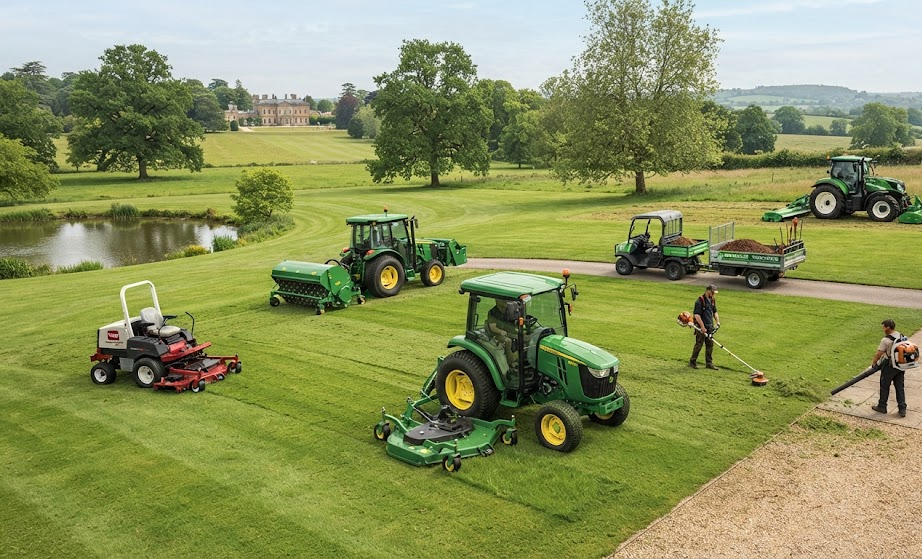
- Riding Mowers: Perfect for medium to large properties, capable of covering vast areas quickly.
- Zero-Turn Mowers: These provide superior maneuverability, enabling efficient navigation around trees and flower beds.
- Brush Cutters: Essential for managing overgrowth and thick vegetation, ensuring a tidy appearance.
Effective Wood and Tree Maintenance Tools
For properties with an abundance of trees, choosing the right gear is vital to maintaining safety and aesthetics:
- Chainsaws: Indispensable for cutting down or pruning trees efficiently, saving significant time.
- Pole Saws: Useful for reaching higher branches without the need for a ladder.
- Log Splitters: This mechanized option simplifies the task of splitting wood, making cleanup easier.
Maximize Efficiency with Advanced Technology
The evolution of technology has transformed property maintenance, introducing innovative solutions that automatically enhance workflows. With options like automated maintenance management systems, property managers can streamline operations significantly.
Utilizing Software Solutions
Integrating software for maintenance management can facilitate timely work orders and scheduling:
- Work Order Management: Software allows quick access to task assignments, ensuring accountability and timely execution.
- Preventive Maintenance Scheduling: Setting up reminders helps in addressing issues before they escalate, saving costs long-term.
- Performance Tracking: Monitoring equipment usage and task completion leads to informed decision-making about future purchases.
Investing in Efficient Waste Management Tools
Addressing organic waste is an essential aspect of maintaining properties. Effective waste management tools not only promote sustainability but also enhance property aesthetics:
- Wood Chippers: Transform fallen branches into mulch, contributing to a healthier landscape.
- Leaf Vacuums: Efficiently collect leaves, reducing fire hazards in dry seasons.
- Mulchers: Ideal for creating nutrient-rich compost from organic materials, maximizing on-site resources.
Tailoring Equipment Choices to Property Size
Every property is unique, necessitating customized approaches to equipment selection. Understanding the size and layout of your property is critical for making informed choices.
Evaluating Land Size and Terrain
For extensive landscapes, heavier, motorized equipment may be needed:
- Trenchers and Drainage Augers: Beneficial for flood-prone areas, effectively managing water runoff.
- Sump Pumps: Necessary for properties with slopes or high water tables, ensuring proper drainage.
- Rototillers and Aerators: Equip gardens for optimal soil health and crop yield.
Contemplating Maintenance Frequency
Understanding the frequency of maintenance tasks can influence equipment choices:
- Regular vs. Seasonal Needs: For frequently performed tasks, investing in durable equipment is wise.
- Budgeting for Quality Gear: Higher upfront investments in quality tools often lead to longer-term savings through durability and efficiency.
- Choosing Between Gas and Electric: Depending on your environment, gas equipment may be more suitable for heavy-duty work, while electric tools tend to be quieter and easier to maintain.
Prioritizing Environmental Responsibility
Using sustainable practices while maintaining your property is increasingly important. By opting for eco-friendly equipment and methods, you contribute positively to the environment while keeping maintenance manageable.
Adopting Environmentally Friendly Tools
Incorporating tools that promote sustainability can enhance your property’s ecological footprint:
- Low-Emission Tools: Reduce pollution while maintaining efficiency in yard work.
- Composting Systems: Transform organic waste into valuable resources for gardens.
- Efficient Watering Systems: Implementing smart irrigation systems conserves water while sustaining plant health.
Ensuring Longevity Through Proper Care
After investing in quality equipment, proper maintenance is essential for ensuring long-term functionality. Routine care plays a pivotal role in extending the lifespan of your tools.
Best Practices for Equipment Care
Keeping tools in good condition is vital for efficiency:
- Regular Cleaning: Eliminates dirt buildup that can hinder performance.
- Blade Sharpening: Ensures efficiency and minimizes wasted effort during tasks.
- Proper Storage: Keeping equipment protected in a dry environment prevents rust and damage.
In summary, equipping yourself with the right tools for large property maintenance is essential for efficiency and sustainability. The thoughtful selection of equipment not only facilitates easier upkeep but also fosters a safe and environmentally friendly approach to managing your property. For further insights on enhancing your property maintenance operations, consider exploring resources such as this one.