
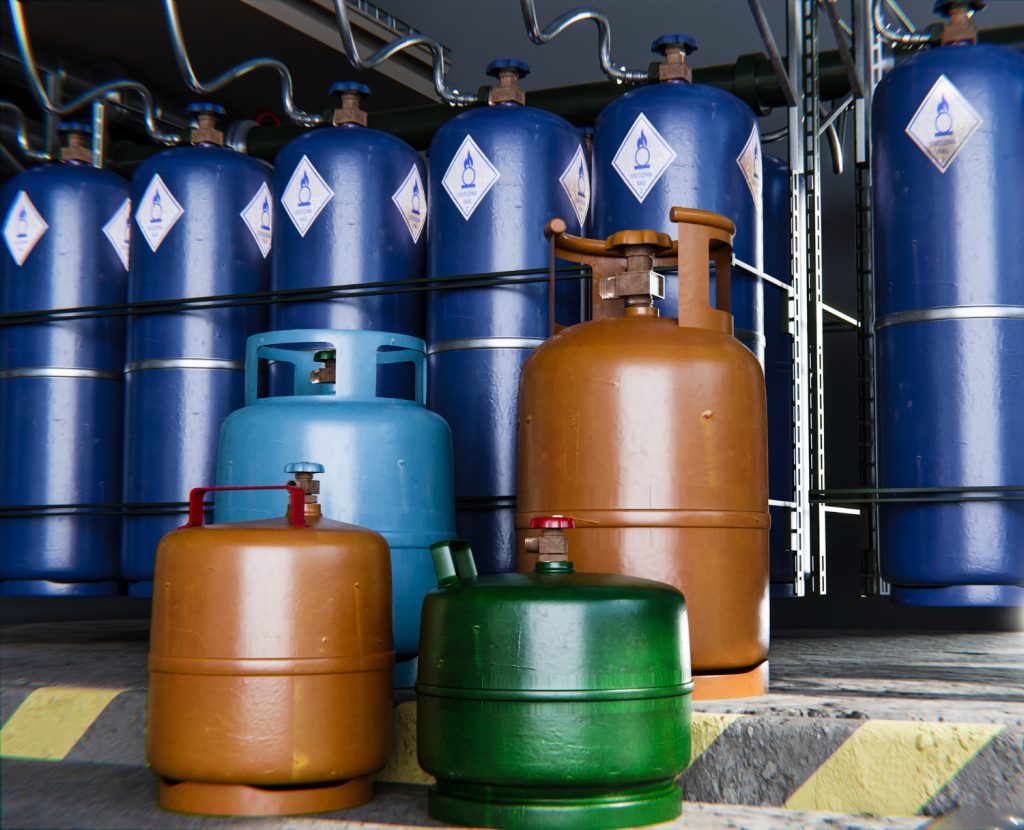
Propane is a widely recognized energy source, integral to numerous homes due to its numerous advantages. It is not only efficient but also versatile, powering heating systems, cooking appliances, and even outdoor grills. However, its proper handling and installation are crucial for maximizing safety and efficiency in residential settings. Prioritizing propane safety measures during installation can protect your home and family while ensuring optimal performance of your energy systems.
Preparing for Propane Tank Installation
Preparation before installing a propane tank is integral to achieving optimal efficiency. Planning not only involves ensuring that all necessary permits are in place, but also assessing the energy needs of the home to determine the appropriate size of the tank.
Understanding your household’s energy consumption is key to choosing the right tank size. For example, a larger family home with multiple propane appliances will require a bigger tank compared to a smaller residence primarily using propane for cooking. A failure to accurately size the tank can lead to frequent refills or inefficient energy use, creating unnecessary expenses.
Establishing Your Energy Needs
A thorough assessment of energy needs involves several steps:
- Evaluating Appliances: Identify all propane appliances in use, from furnaces to stoves, and their respective consumption rates.
- Estimating Usage Patterns: Understand how often and when these appliances are used to determine peak consumption times.
- Consulting Professionals: Consider enlisting the expertise of a propane supplier to assess your needs accurately and suggest the correct tank size.
This meticulous planning pays off in long-run efficiency, allowing homeowners to use their propane systems reliably without constant worries about running out of fuel.
Obtaining Necessary Permits
Before installation, securing the necessary permits and approvals is crucial. This process varies by location but generally includes a review of safety plans and site evaluations by local authorities. Neglecting to follow proper permitting protocols can result in future legal complications and expenses.
Once all permits and approvals are in hand, the installation can begin. Working with experienced professionals can streamline this process, ensuring that all aspects of installation are compliant with regulations.
Importance of Regular Maintenance and Inspection
Maintaining a propane tank is as crucial as its installation, ensuring long-term safety and functionality. Regular maintenance can help detect potential issues before they escalate into dangerous situations. Homeowners should make it a point to schedule routine inspections with certified professionals who can check for leaks, corrosion, or any faults in the gas lines.
Key Components of Propane Tank Maintenance
Effective maintenance entails monitoring various aspects of the propane tank and its connections:
- Leak Checks: Regularly inspecting for gas leaks is essential. Homeowners should familiarize themselves with the odor of propane, which is often likened to rotten eggs.
- Corrosion Monitoring: Inspecting the tank for rust or corrosion can help prevent structural failure in the long term.
- Gas Line Integrity: Check connections and fittings to ensure they are secure and not prone to leaks.
These maintenance practices not only protect your home but also enhance the efficiency of your propane system, maximizing energy use and minimizing costs.
| Maintenance Task | Frequency |
|---|---|
| Leak Detection | Every six months |
| Tank Inspection | Annually |
| Gas Line Checks | Every three months |
By adhering to these maintenance schedules, homeowners can enjoy uninterrupted service from their propane systems while ensuring a safe environment for their families.
Emergency Situations and Propane Safety Protocols
Despite best efforts at prevention, emergencies can occur, and being prepared is your best defense. Understanding propane safety protocols is essential for all occupants of the home, particularly children and visitors. Knowing how to respond to potential gas leaks or other hazards can help prevent injuries and property damage.
Essential Emergency Procedures
In case of a gas leak or suspected leak, follow these critical steps:
- Evacuate Immediately: Ensure everyone in the vicinity leaves the area immediately, moving to a safe distance.
- Avoid Ignition Sources: Do not operate any electrical devices or create sparks which could ignite the propane.
- Call for Help: Once at a safe distance, contact emergency services and a propane supplier for further assistance.
Quick responses can mitigate risks during emergency situations. Ensuring that every member of the household is aware of emergency protocols can be a matter of safety and lives.
Creating an Emergency Plan
Having a well-thought-out emergency plan is essential for all homes utilizing propane. Components of a solid plan may include:
- Regular Safety Drills: Practice the emergency evacuation plan regularly to ensure everyone is familiar with it.
- Easy Access to Contact Information: Maintain a list of emergency contacts, including the local fire department and your propane supplier.
- Communication Plans: Establish ways to communicate effectively amongst family members in case of an emergency.
By crafting a comprehensive emergency response plan, you not only safeguard your loved ones but also enhance overall community safety. For homeowners seeking professional propane tank installation, maintenance, and safety services, Gas Tech offers expert solutions that guarantee efficiency, compliance, and safety in every home.


