Choosing the right materials for railings is essential to achieving a distinctive look that complements both functionality and style. Railings serve not only as safety features but also enhance the overall aesthetic of a space. From cozy wooden finishes to sleek glass designs, the materials you select can transform your project into a stunning focal point.
Exploring Various Materials for Railings
Different materials used in railing systems significantly influence their appearance, durability, and maintenance needs. Understanding the options available will help you make informed choices tailored to your design and lifestyle preferences.
Wood Railings: Timeless Appeal
Wood railings are celebrated for their traditional charm and warmth. Commonly crafted from materials like cedar, redwood, and pressure-treated pine, they offer breathtaking natural beauty that suits various architectural styles. Homeowners appreciate the ease of customization, making it easy to paint or stain wood to align with the surrounding décor.
However, wood railings do demand regular maintenance to protect against the elements. Tasks such as sealing and staining are necessary to prevent deterioration. This periodic care allows wood railings to enhance a space while ensuring safety and longevity.
Metal Railings: Strength and Modern Design
Metal railings stand out for their outstanding durability and strength. Options like aluminum, steel, and wrought iron provide a robust solution for staircases, balconies, and outdoor applications. Their resistance to impacts and structural stress makes them ideal for high-traffic areas and modern architectural styles.
Many metal railings feature advanced treatments, such as powder-coating, which enhances corrosion resistance and extends their lifespan. The clean lines of metal railings resonate with minimalist aesthetics, providing a sophisticated touch to any project.
Glass Railings: A Contemporary Touch
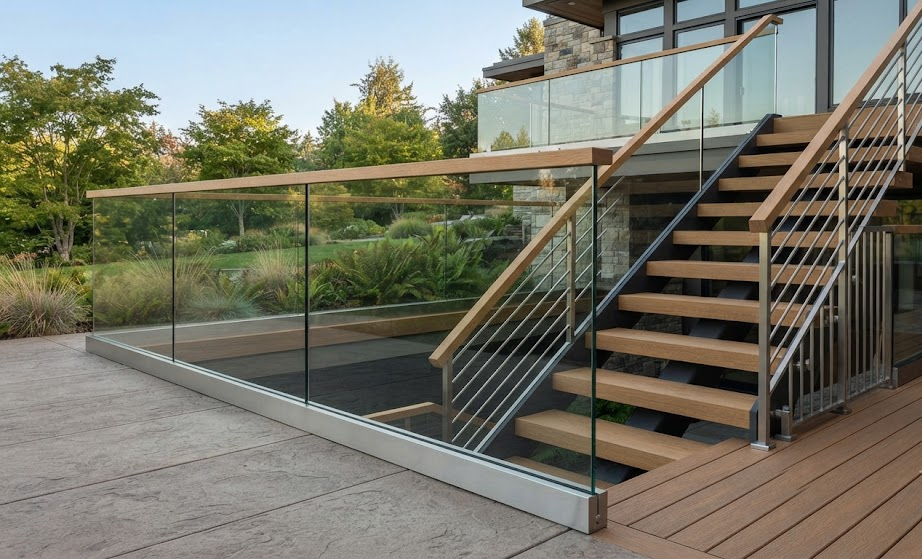
Glass railings are increasingly favored in modern architecture due to their ability to create open and airy spaces. Typically made from tempered glass, these systems allow unhindered views while maintaining safety and compliance with building regulations. They are prevalent on balconies, decks, and staircases, offering an uninterrupted flow of natural light into the environment.
Although glass railings provide a sleek appearance, they do require regular upkeep to stay clear and polished. Routine cleaning helps remove fingerprints and dust, ensuring that the elegant transparency remains intact.
Innovative Railing Options
Beyond traditional materials, several innovative options create distinctive looks while satisfying practical needs. Exploring these alternatives can enhance any railing project.
Cable Railings: Minimalist Design
Cable railings offer a stylish and contemporary look by using stainless steel cables in place of traditional balusters. This design effectively minimizes visual obstructions while emphasizing scenic views, making them perfect for outdoor spaces such as patios and decks. The trend toward cable railings highlights the desire for open and unobstructed sightlines.
However, cable systems require periodic adjustments to ensure tension remains consistent, which is key for safety and maintaining aesthetics.
Composite Railings: Low Maintenance Solutions
Composite railings present an engineered solution that replicates the appearance of wood while offering superior durability and resistance to moisture and pests. Commonly made from blending reclaimed wood fibers with plastic, composite materials require minimal maintenance, making them ideal for outdoor settings.
Many homeowners opt for composite railings due to their longevity and minimal upkeep. They retain their color and structure over time, allowing for peace of mind and an enduring visual appeal.
Choosing the Right Railing for Your Space
When selecting the ideal railing materials, several important factors come into play. Evaluating the specifics of your project will lead to a more informed decision.
Safety and Building Codes
Understanding local building codes is vital when choosing railings, as they dictate height, spacing, and structural strength to ensure safety. Compliance with these regulations is critical in maintaining a secure environment for residents and guests.
Maintenance Considerations
Different materials come with varying maintenance demands. Wood railings often require sealing and staining, while metal and composite options may involve simpler cleaning routines. Evaluating your willingness to perform maintenance can influence your decision significantly.
Budget and Installation Complexity
Cost can also shape material selection, with more intricate designs typically requiring higher budgets. Simpler railing systems may be more affordable, while customized glass or cable systems usually demand a higher investment.
Ultimately, the railing you choose should seamlessly integrate with the style of your home while enhancing safety. With the variety of materials available, you can create a stunning statement that not only safeguards your space but elevates its overall aesthetic.
Consulting Professionals for Personalized Solutions
For those navigating the complexities of railing selection, consulting with a professional can offer invaluable insights tailored to your needs and preferences. By seeking expert guidance, you can achieve a balance between safety, design, and functionality in your railing project. Discover how the right choice can transform your space into a stylish and secure environment.