
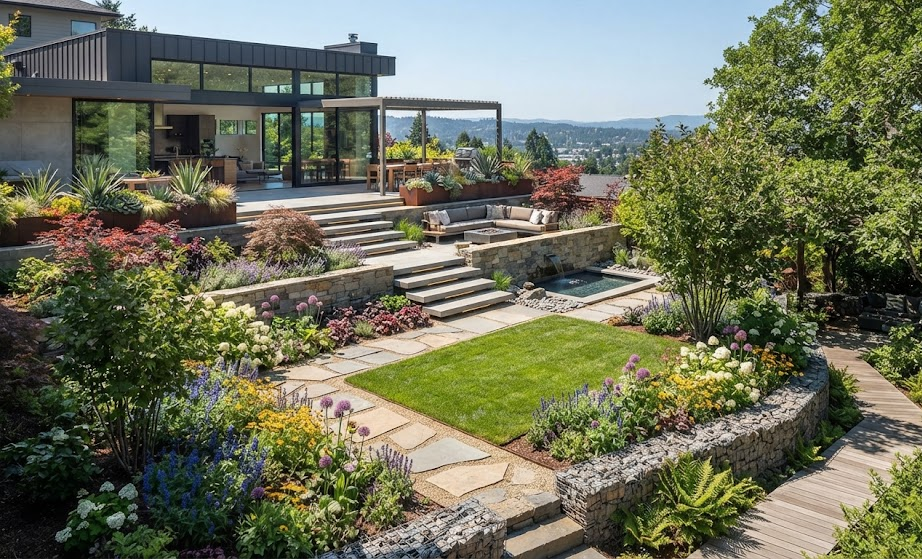
Transforming your outdoor space through elevation changes brings a unique beauty to any landscape. By leveraging natural slopes and gradient variations, homeowners can create visually captivating environments that enhance both aesthetic appeal and functionality. Exploring elevation landscaping reveals a range of techniques and benefits that unlock the full potential of your property.
Leverage Natural Slopes for Captivating Landscapes
Elevation changes can dramatically improve the visual interest of a landscape. Not only do they allow for dynamic planting opportunities, but they also create distinct zones that enhance usability. Incorporating slopes into your design can lead to stunning garden layouts that catch the eye and entice exploration. This section delves into the fundamentals of leveraging elevation changes effectively.
Understanding the Role of Elevation
Utilizing elevation involves more than just adding height to a landscape; it is about creating a cohesive design where all elements work harmoniously. By employing techniques such as terracing, homeowners can turn steep banks into accessible and attractive areas. Properly placed slopes draw attention to focal points like flower beds or water features.
Moreover, adjacent dips can offer intimate spaces, encouraging relaxation. Hills can also serve as natural boundaries, enhancing privacy. Using these tactics astutely can transform an ordinary space into a mesmerizing retreat.
Design Strategies to Enhance Your Outdoor Space
Adopting effective design strategies is crucial for maximizing the potential of elevated landscaping. The following techniques will not only beautify your yard but also ensure practical usage, fostering an inviting environment that reflects your style.
Creating Terraced Gardens
Terraced gardens are an exceptional way to manage sloped land while adding visual layers. By implementing retaining walls, homeowners can design tiered planting beds that prevent soil erosion and allow for diverse planting options. Choose plants that thrive in varying moisture levels for a vibrant display.
- Install Retaining Walls: Use materials such as stone or timber to define each level and support the garden structure.
- Choose Appropriate Plants: Select deep-rooted shrubs and perennials for stability and seasonal color.
- Incorporate Pathways: Design meandering paths among the levels for easy access and exploration.
Integrating Water Features
Water features elevate the beauty of any landscape, providing dynamic elements that breathe life into gardens. Incorporating features like ponds or waterfalls can take advantage of elevation by utilizing gravity for cascading water displays. This not only enhances aesthetics but also contributes to the ecosystem.
For effective water management, explore options such as:
- Cascading Waterfalls: Use natural stones to build captivating waterfalls that merge seamlessly with the landscape.
- Rain Gardens: Create depressions at lower elevations to capture runoff, enhancing both beauty and sustainability.
- Stream Channels: Direct water flow smoothly through the landscape to prevent erosion while offering stunning visuals.
Maximize Usability with Functional Features
Evolving beyond aesthetics, elevation landscaping concentrates on enhancing the functionality of outdoor spaces. Implementing features that facilitate interaction and usability while emphasizing elevation can transform how homeowners enjoy their gardens.
Establishing Outdoor Living Spaces
Creating defined outdoor living areas takes full advantage of elevation changes. Picture a sunken fire pit surrounded by built-in seating that offers warmth and closeness. Alternatively, elevated decks can create panoramic views of your garden while allowing for gatherings.
Consider these design elements when establishing outdoor spaces:
- Built-in Benches: Incorporate seating into retaining walls for comfort and structural support.
- Multi-level Decks: Design decks with varying heights for a more dynamic entertaining space while maximizing views.
- Lighting Solutions: Add ambient lighting to illuminate pathways and seating areas, enhancing safety and ambiance during nighttime.
Implementing Sustainable Practices
Incorporating sustainable practices into elevation landscaping generates environmental benefits. Selecting native plants adapted to local climates will not only flourish in varying elevations but also require less maintenance. Employing erosion control methods will ensure long-lasting stability while enhancing soil health.
Effective sustainable strategies include:
- Deep-Rooted Plants: Choose deep-rooted native species to anchor soil and reduce runoff.
- Proper Drainage Solutions: Install French drains and bioswales for effective water management, minimizing erosion risks.
- Use Organic Mulch: Apply mulch layers to conserve moisture and prevent weed growth, enriching soil health.
Transforming Your Property into a Visual Masterpiece
The art of elevation landscaping transcends conventional gardening, offering homeowners the chance to harness nature’s contours for artistic expression. By incorporating elevation changes and working with experienced landscaping professionals, you can benefit from thoughtful design strategies that transform your outdoor space from an uninspiring stretch of ground into a breathtaking landscape that makes a profound statement.


