The world of logistics and international trade is evolving, and sea shipping remains a cornerstone of global commerce. As more businesses seek cost-effective and reliable transportation, understanding the benefits of sea freight becomes essential. In 2026, with the rising demands of sustainability, the advantages of utilizing ocean freight for international cargo have never been clearer.
Understanding Sea Shipping in Global Trade
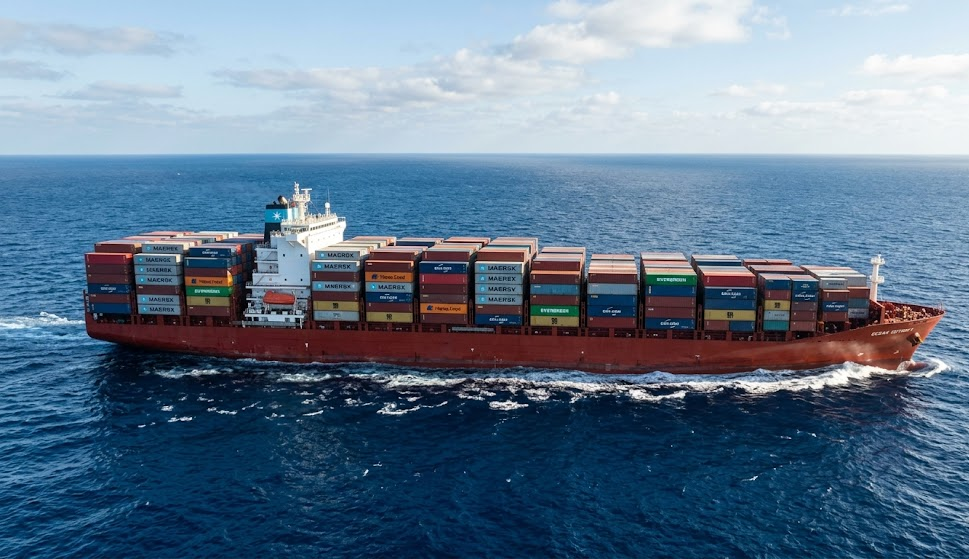
Sea shipping, often referred to as ocean freight, is a method of transporting goods across oceans using specialized vessels. This mode of transport is responsible for moving over 80% of global goods by volume. It provides a robust connection between continents, utilizing containerized, bulk, and RoRo vessels that operate on fixed schedules. The efficiency of sea freight makes it an attractive option for businesses seeking to optimize their logistics.
Exploring Cost Efficiency
One of the most compelling benefits of sea shipping is its cost efficiency. When compared to air freight, ocean freight offers the lowest cost per kilogram, making it ideal for heavy or bulky cargo. Businesses that frequently transport large quantities of goods can significantly reduce their shipping costs. For example:
- Manufacturers looking to ship industrial machinery can save substantially by choosing sea freight over air.
- Wholesalers dealing in bulk commodities benefit from the pricing advantages given their volume needs.
- Retailers looking to transport seasonal stock can manage better budgets by opting for ocean shipping.
This cost-effectiveness does come with trade-offs, particularly concerning transit time. However, the savings often justify the longer shipping periods associated with sea freight.
Capacity and Scalability of Sea Freight
Another significant advantage of sea shipping is its large capacity. Container vessels can transport thousands of TEUs (Twenty-Foot Equivalent Units) at once, allowing scalability that air transport simply cannot provide. Whether a shipment involves one pallet or hundreds of containers, sea freight can flexibly adapt to varying demand levels.
Handling Diverse Cargo Types
Sea freight is not limited by the same constraints that often apply to air transport. It is well-suited for a wide range of cargo types, including:
- Oversized machinery, which needs specialized handling.
- Heavy vehicles, which can be cumbersome to transport via air.
- Perishable goods, such as food items, using reefer containers to maintain freshness during transportation.
This flexibility allows businesses to transport an extensive range of products, meeting diverse shipping needs while optimizing logistics.
Environmental Impact and Sustainability
As global consciousness shifts towards sustainability, sea shipping shines as an environmentally friendly option. It generates the lowest CO₂ emissions per ton-kilometer of all major transport modes. For businesses aiming to reduce their environmental footprint, utilizing sea freight can significantly contribute to achieving sustainability goals.
Using Advanced Shipping Methods
Increasingly, carriers are adopting cleaner fuels and more efficient vessel designs. This trend towards sustainability enhances the appeal of maritime transport, making it a critical aspect of modern logistics and supply chain management. Businesses leveraging eco-friendly shipping methods position themselves favorably in an environmentally-conscious market.
Reliability and Predictability
Reliability in scheduling is another key advantage of sea shipping. Most international carriers operate on fixed schedules, allowing shippers to plan inventory and production cycles accurately. This predictability provides businesses with:
- Confidence in delivery times, enabling effective planning of stock levels.
- Reduced uncertainty when managing supply chains through consistent shipping routes.
- Enhanced collaboration with suppliers and customers, resulting in smoother operations.
When sea freight is managed by experienced freight forwarders, businesses can navigate the logistics smoothly, avoiding potential delays.
Navigating Challenges in Sea Freight
While sea shipping boasts numerous advantages, it is essential to recognize its challenges. Longer transit times and potential port congestion can impact delivery schedules. Proper management and planning are vital to mitigate these risks. Additionally, complex documentation and compliance requirements often accompany international shipping, making coordination crucial.
Managing Additional Costs
Beyond the base ocean rate, various local charges can add to shipping costs. Understanding these can help businesses effectively manage their budgets. Some common cost elements include:
- Terminal handling charges (THC).
- Customs inspection fees.
- Demurrage and detention fees for containers left too long.
Recognizing these factors enables shippers to make informed decisions and avoid unexpected costs.
Choosing the Right Mode of Transport
In 2026, with the rise of global trade, making the right transport choice is more critical than ever. Sea freight remains optimal for businesses needing to balance cost, capacity, and sustainability. However, factors such as shipment urgency and cargo type should inform decision-making.
Integrating Sea Freight with Other Modes
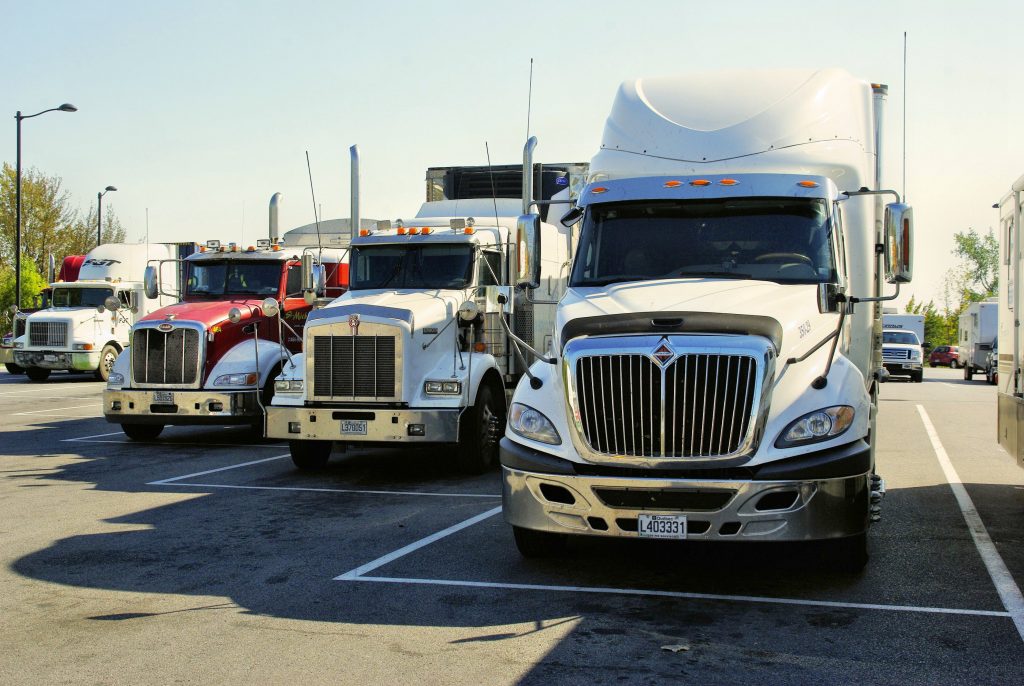
Many logistics strategies today involve multimodal solutions, combining sea freight with other transport methods, such as rail or truck. This approach optimizes costs and improves efficiency, ensuring businesses can navigate complex supply chains effectively.
Final Insights on Sea Shipping
As the backbone of international trade, sea shipping continues to evolve, offering businesses an adaptable, reliable, and cost-effective means of transportation. Understanding its numerous advantages enables companies to make informed choices that enhance their logistics operations and reinforce their position in global markets. For further information on enhancing logistics strategies, visit this comprehensive guide.