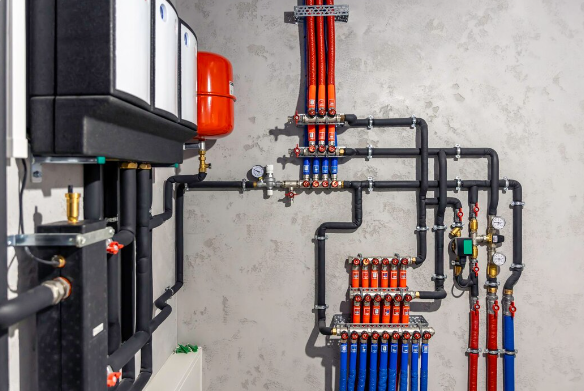
Boiler installation is a crucial process that directly impacts the efficiency and safety of heating systems. Mistakes in this phase can lead to significant issues, including reduced performance and premature system failure. One of the most prevalent errors occurs when homeowners attempt a DIY installation to save costs. While this might seem practical, the technicality involved in boiler systems requires professional expertise. Improper installation can lead to incorrect setups, impacting both the performance and safety of the boiler.
Significance of Regular Boiler Maintenance
Regular boiler maintenance is an essential component of ensuring the system operates safely and effectively. Neglecting routine inspections can lead to unmonitored deterioration, often resulting in catastrophic failures. One common issue that arises from inadequate maintenance is the malfunction of safety valves. Safety valves protect the system from becoming over-pressurized, and if they are not inspected regularly, they may fail when needed most, compounding the risk of dangerous situations.
Additionally, allowing small issues to go unaddressed during routine checks can escalate into major problems. For example, burner malfunctions often stem from untreated build-up that occurs within the combustion chamber. Regular inspection could catch these issues before they compromise the boiler’s overall functionality. Scheduled maintenance helps identify early warning signs, allowing for timely repairs that can save both time and costs in the long run.
Moreover, consistent performance analysis helps in identifying energy consumption trends. A significant rise in energy costs might indicate an underlying issue, such as inefficiency due to improper combustion. In this case, addressing the problem through maintenance can greatly enhance system performance and decrease operating costs.
| Maintenance Task | Frequency | Importance |
|---|---|---|
| Visual Inspection | Monthly | Identifies visible signs of wear or leaks |
| Burner Maintenance | Quarterly | Ensures optimal combustion efficiency |
| Safety Valve Testing | Annually | Prevents over-pressurization risks |
Thermal Stress and Boiler Overheating Risks
Thermal stress is a common issue that can lead to overheating, which may ultimately cause premature failure. Over time, various factors can contribute to this problem, including inadequate heat dissipation. For instance, if scale or sludge accumulates within the system, it reduces heat transfer efficiency, resulting in excessively high temperatures on metal components. When metal overheats, it is prone to cracking or, in extreme cases, complete failure.
Another aspect to monitor is the water flow within the system. Low water flow can create pockets of high temperature, putting excessive stress on certain boiler parts. This not only increases wear but also significantly escalates the risk of thermal shock when cooler water suddenly enters a hot boiler. Installation errors, such as improper venting or blockage in the piping system, may exacerbate these issues, leading to higher chances of breakdowns.
Operators must remain vigilant and implement monitoring systems to adjust for any changes in performance. Using automated controls allows for real-time adjustments that can prevent unsafe conditions from arising. These systems can alert operators to irregularities in pressure or temperature, which is critical in mitigating risks associated with overheating.
Understanding Pressure Issues and Their Impact on Boiler Safety
Pressure issues are one of the most common causes of boiler failure. An improperly calibrated system may lead to either low or high pressures, both of which have their associated risks. High pressure can lead to catastrophic explosions, while low pressure can result in inefficient heating and increased wear on the boiler components. Thus, ensuring accurate pressure readings and settings is vital for safe operation.
Pressure relief valves function as the first line of defense against excessive pressure buildup. However, if these valves are not functioning correctly, a hazardous situation can arise. Regular testing and maintenance of these valves ensures they operate as intended, providing an essential safety net.
Operators should also be attentive to any signs of pressure irregularities, which may include fluctuating pressure readings or frequent activation of safety valves. Installing advanced monitoring systems provides real-time data to observe these anomalies. Correctly calibrating pressure sensors and alarm systems further enhances safety and provides necessary warnings for potential failures. For advanced pressure gauges and certified safety relief valves, check out the inventory at Tamas Mechanical.