In the construction industry, the importance of adhering to safety standards cannot be overstated. When it comes to scaffolding, these standards are crucial not only for the protection of workers but also for ensuring compliance with legal requirements. The Occupational Safety and Health Administration (OSHA) mandates specific guidelines that must be followed by contractors involved in scaffolding hire. Understanding these regulations and implementing them diligently is vital for any construction company.
The Importance of Training and Certification in Scaffolding
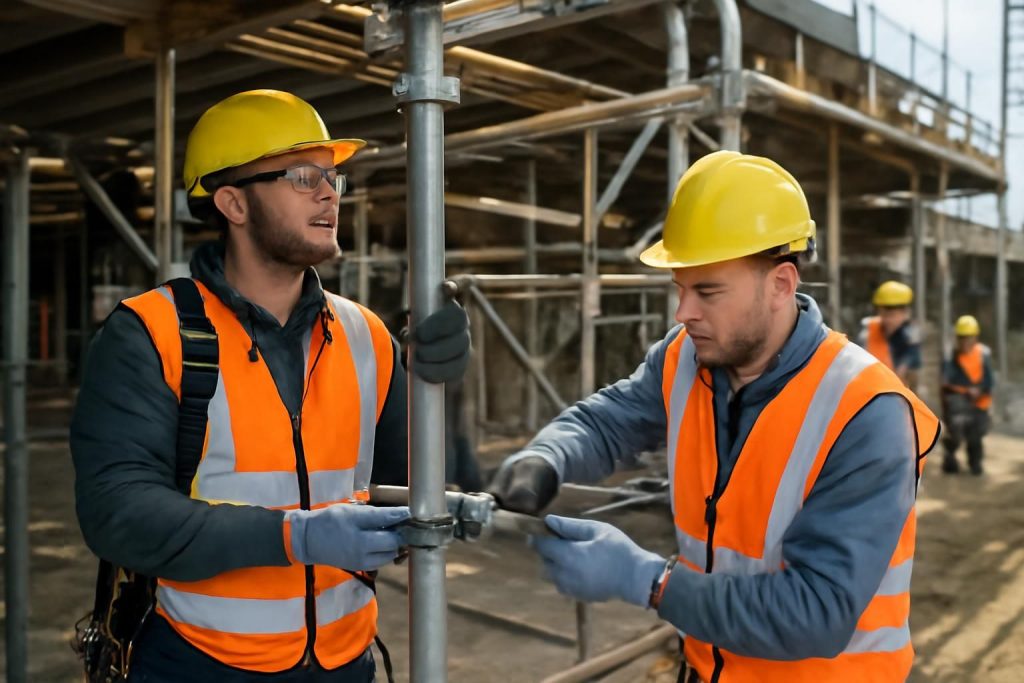
Training and certification are vital aspects that ensure safety in scaffolding operations. Contractors should implement a robust training program tailored to meet OSHA’s educational requirements. This training should not only cover the use and assembly of the scaffolding but also the identification of potential hazards that workers might face.
Proper training involves teaching employees about the following:
- Inspection Techniques: Workers must know how to identify defects in materials and how to assess the structural integrity of scaffolds.
- Fall Protection Measures: Training should encompass various safety measures, including the use of guardrails, personal fall arrest systems, and proper ladder usage.
- Emergency Procedures: Workers must be familiar with the emergency response plan in case of accidents involving scaffolding.
Moreover, certification for specific roles carries weight in operational safety. For instance, scaffold erectors need to obtain certification from an accredited training program. Such certifications ensure that the individuals in pivotal roles have verified knowledge of safe practices.
For contractors, investing in comprehensive training pays dividends, reducing the incidence of workplace injuries significantly. In case of an incident, well-trained employees are more likely to respond efficiently, limiting the extent of injuries or damage. Moreover, ongoing education in safety standards is essential as regulations frequently evolve.
Ongoing Education and Compliance Verification
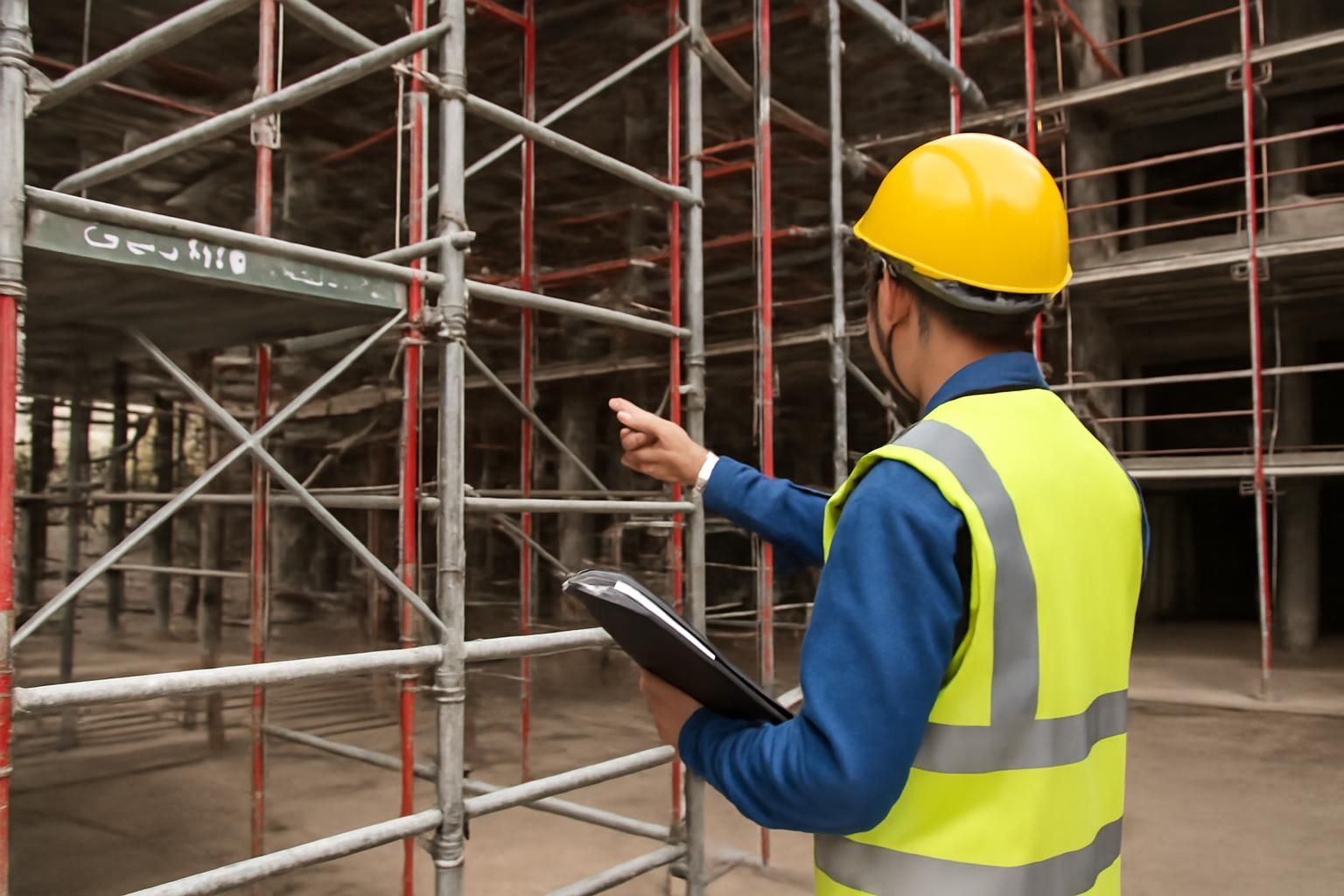
Continuous education reiterates the importance of remaining compliant with updated regulations. Contractors should establish systems to regularly review and update training materials and methodologies based on the latest OSHA standards. This ensures that all employees are equipped with the knowledge and skills necessary to maintain a safe working environment.
Verification of compliance can be achieved through various methods:
- Regular Audits: Conduct regular safety audits to assess adherence to safety protocols.
- Feedback Mechanisms: Create channels for workers to report unsafe practices or conditions without fear of repercussion.
- Documentation: Keep thorough records of inspections, employee training sessions, and incident reports to identify patterns that may require corrective action.
Through these practices, contractors will strengthen their commitment to safety compliance, protecting their workforce and their business integrity.
Equipment Verification: Ensuring High Standards
The integrity of scaffolding systems is intrinsically linked to the quality of the equipment used. Contractors must ensure that all scaffolding components are manufactured to high safety standards. This includes checking for defects, rust, or wear that could compromise structural integrity.
Verification of safety standards for equipment includes:
- Choosing the Right Material: Only scaffolding made from approved materials should be used to ensure longevity and strength.
- Regular Maintenance: Implement a regular maintenance schedule to detect and address any issues promptly.
- Supplier Standards: Hire reputable scaffolding companies that adhere to industry regulations and provide certified equipment.
In addition, periodic third-party inspections add a layer of assurance, confirming that equipment is up to code. These inspections can pinpoint weaknesses or defects that internal teams may overlook, thereby enhancing overall safety.
Safety Culture: Empowering Employees
Creating a culture of safety is not merely about compliance; it’s about fostering a work environment where safety is everyone’s responsibility. Empowering employees to take ownership of safety procedures encourages vigilance, leading to a more secure workplace.
Strategies to promote a safety culture include:
- Incentivizing Safety Practices: Recognize and reward employees who actively participate in safety programs or suggest safety improvements.
- Visible Safety Commitments: Demonstrate a commitment to safety by displaying safety policies in visible locations on-site.
- Open Lines of Communication: Encourage discussions around safety practices, where workers feel comfortable sharing concerns.
When every employee understands their role in maintaining safety, the project environment becomes significantly more secure, reducing incidents related to scaffolding failures and accidents.
Compliance: Navigating Legal Obligations
Navigating the legal landscape surrounding scaffolding can be challenging. Contractors are responsible for understanding and implementing a myriad of regulations set forth not only by OSHA but also by local and state regulations. Non-compliance can lead to hefty fines and legal repercussions that threaten both financial stability and reputation.
The key areas of focus for compliance include:
- Licensing: Ensure that all necessary licenses for operating scaffolding are obtained and kept up to date.
- Insurance: Maintain adequate insurance coverage that protects against potential incidents related to scaffolding.
- Documentation: Keep meticulous records of safety protocols, inspections, and training for legal protection.
Consulting with legal experts or safety consultants specializing in construction can provide valuable guidance, helping to navigate complex regulations and implement compliant processes.
For more information on scaffolding safety compliance and operational best practices, refer to expert resources or guides that focus on implementing effective measures in compliance with regulations.
Learn about the importance of hiring experienced professionals in construction.