Demolition is a crucial segment of the construction industry, involving the systematic dismantling of buildings and structures. It serves various purposes, ranging from clearing space for new developments to renovating existing properties. The process requires not only expertise but also a profound understanding of the safety regulations and hazardous materials that may be present on-site.
The Importance of Site Safety in Demolition
Ensuring site safety during demolition activities is paramount, as these operations often pose significant risks to workers and bystanders. A comprehensive safety management plan is essential for any demolition project. This plan typically includes risk assessments, safety training, and emergency response plans, tailored to the specific hazards identified on-site.
One common risk during demolition is falling debris. Implementing protective measures such as safety nets, barrier systems, and exclusion zones can significantly reduce this hazard. Additionally, proper signage to warn of dangers and protocol reminders can enhance awareness among workers and observers.
- Conducting thorough risk assessments: This process involves identifying potential hazards, evaluating their severity, and determining the best mitigation strategies.
- Utilizing personal protective equipment (PPE): Workers should be equipped with safety helmets, gloves, goggles, and high-visibility clothing to protect against various hazards.
- Implementing evacuation plans: All personnel should be aware of emergency routes and procedures in case of an incident.
Furthermore, regular safety drills help cultivate a culture of safety and preparedness among workers, ensuring everyone is familiar with safety protocols. Workers trained in these procedures are better equipped to handle emergencies, subsequently minimizing the risk of accidents during demolition tasks.
Transforming a worksite into a safe environment requires constant vigilance and adherence to established safety practices. Staying updated on local regulations and industry best practices forms the backbone of an effective risk management strategy.
Hazard Prevention Techniques in Demolition Projects
As the construction industry continues to evolve, so do the methods of hazard prevention in demolition. Recognizing potential hazards before they escalate into dangerous situations is crucial. Techniques for hazard prevention often encompass both proactive and reactive measures.
Among the proactive techniques, regular site inspections and maintenance are fundamental. By conducting frequent evaluations, any emerging risks can be identified and mitigated before work begins. For instance, ensuring that machinery is well-maintained reduces the likelihood of malfunctions that could lead to accidents.
Reactive measures typically come into play when an unexpected incident occurs. Having a robust response plan can significantly lessen the impact of the incident. This involves training personnel on how to react appropriately and efficiently in emergency situations.
| Hazard Type | Prevention Method |
|---|---|
| Falling Objects | Use of safety nets and exclusion zones |
| Equipment Failures | Regular maintenance and inspections |
| Asbestos Exposure | Proper removal techniques by trained professionals |
Moreover, fostering a culture of safety involves more than just protocols; it requires a mindset where every worker feels responsible for their own safety and that of their colleagues. Ongoing training sessions and workshops enable workers to stay informed about best practices and innovations in safety technology. The integration of new technologies, like drones for site assessments or advanced PPE, also plays a vital role in enhancing safety and hazard prevention tactics.
Essential Equipment for Safe Demolition
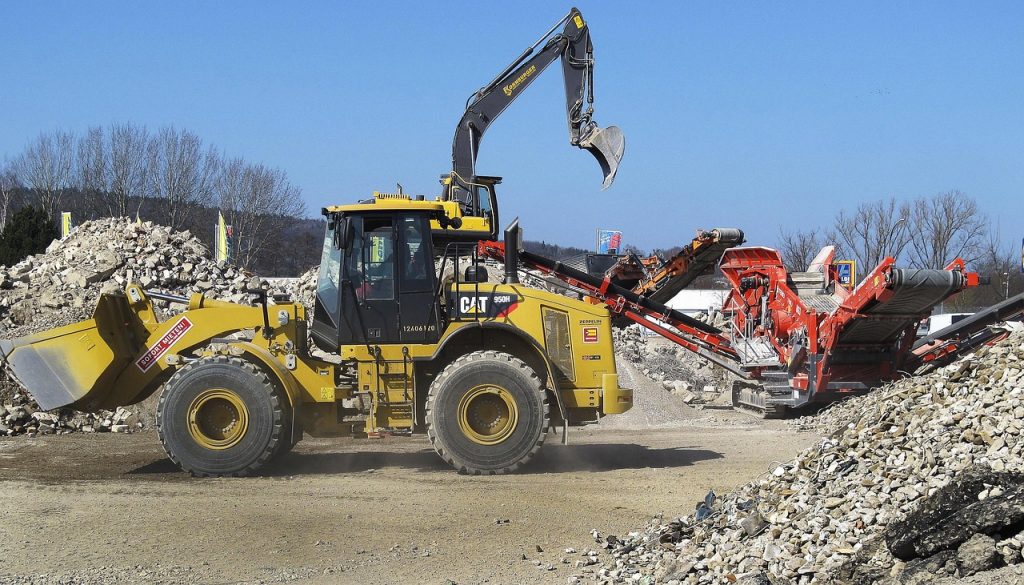
Utilizing the right equipment is essential for successful and safe demolition projects. The choice of equipment significantly influences both the efficiency and site safety during demolition activities. Heavy machinery, such as excavators and bulldozers, are commonly employed, but proper training in their operation is imperative to prevent accidents.
In addition to machinery, tools designed for manual demolition play a critical role. Hand tools like sledgehammers and saws must be handled with care, and workers should be trained in their use to minimize injury risks. Implementing safety features, such as reinforced handles or blade guards, can further protect workers.
- Protective Gear: High-visibility clothing, gloves, helmets, and respiratory protection should be mandatory for all workers.
- Machinery Safety Features: Equipment equipped with safety locks and sensors can prevent accidental engagement, helping ensure operator safety.
- Emergency Equipment: Fire extinguishers, first-aid kits, and spill control kits should always be readily available on-site.
Before any demolition starts, it is crucial to ensure that all machinery has been inspected and is functioning properly. This preliminary check helps prevent malfunctions that could lead to safety breaches. Furthermore, coordinating equipment use among the crew minimizes overcrowding, allowing everyone to work safely and efficiently.
Compliance with Regulations in Demolition Work
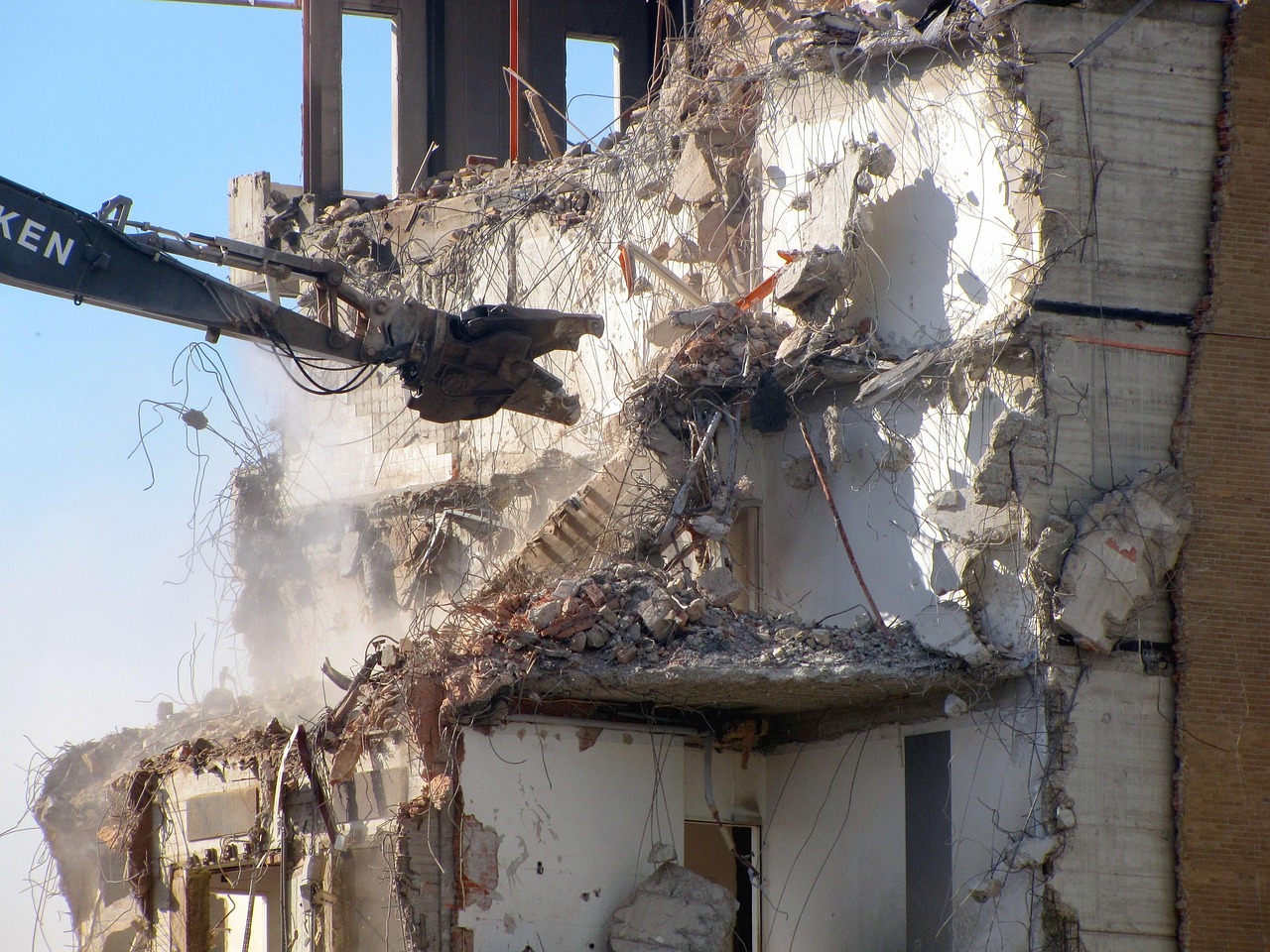
Compliance with regulations governing demolition is not merely a legal obligation; it is integral to ensuring safety on-site. Various local, state, and federal regulations dictate the standards for demolition operations. These regulations are designed to safeguard workers’ health and the public, as well as to promote environmental conservation.
Before initiating a demolition project, obtaining the necessary permits and conducting environmental assessments is essential. These steps help detect potential issues and ensure all activities align with the law. Non-compliance can lead to severe penalties, including fines, shutdowns, and legal ramifications, making adherence crucial for any professional firm.
For demolition work carried out with strict safety standards, regulatory compliance, and professional expertise, partnering with an experienced company like Les Brown Excavating Ltd. ensures efficient execution and risk-controlled project delivery.