
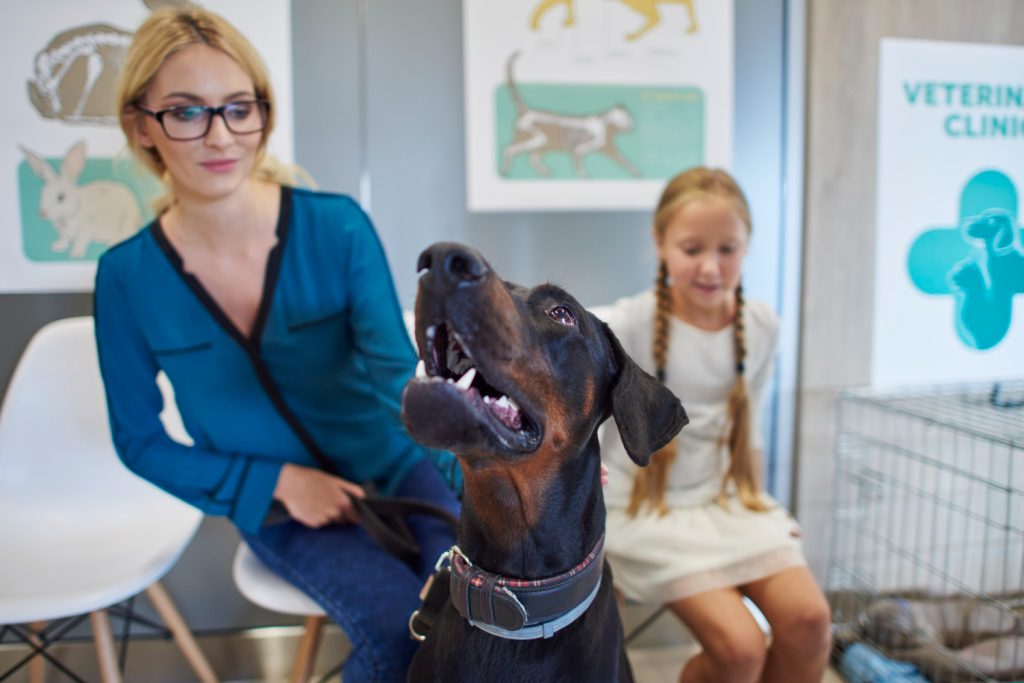
Bringing a pet into your home is an exciting moment filled with joy and anticipation. Yet, amongst all the preparations—from selecting toys to establishing a feeding routine—one crucial task often needs emphasis: scheduling your pet’s first veterinary exam. This initial visit is not just a regulatory norm; it is an essential building block for managing your new companion’s health.
Preparing for the First Vet Appointment
Preparation is vital for both you and your new pet. As the day of the appointment approaches, ensure you are ready with the necessary materials and a calm demeanor. Here’s a list of what to gather:
- Vaccination Records: If the pet has any prior vaccinations, collect these for the veterinarian’s reference.
- Medical History: Bring any relevant information from shelters or previous owners to assist with your pet’s care.
- Questions List: Write down queries or concerns to address during the visit.
- Comfort Items: Bring a favorite toy or blanket to help soothe your pet in an unfamiliar environment.
Furthermore, familiarize your pet with the carrier and the car. Allow them to explore it days in advance, and take short car rides to ease their anxiety. This step will ensure a smoother experience during their first veterinary appointment.
Understanding Appointment Dynamics
When arriving at the vet clinic, check in with the receptionist, providing all relevant information about your pet. During this time, make sure to engage positively with your pet, as they may be nervous and need your calm presence. Be prepared for some typical occurrences during the appointment:
| Event | Description |
|---|---|
| Initial Assessment | The vet will perform a physical exam, checking for signs of health issues. |
| Vaccination Discussion | Discussion about necessary vaccines and potential parasite prevention; |
| Behavioral Evaluation | An opportunity to highlight any concerns regarding your pet’s behavior. |
What to Expect During the Examination
The first examination will consist of several components that are designed to understand and enhance your pet’s overall health. Each segment serves a purpose tailored to your pet’s well-being:
- Weight and Vital Signs: The veterinarian will assess weight, heart rate, and respiration to establish a health baseline.
- Physical Examination: They will check skin, eyes, ears, and mouth for signs of illness.
- Vaccination Protocols: Identifying necessary vaccines relevant to your pet’s breed and environment.
- Parasite Prevention: Discussing strategies to prevent common parasites such as fleas, ticks, and worms.
Understanding what occurs during this examination allows you to participate effectively in managing your pet’s health, keeping you informed about any findings or recommendations made by the veterinarian. Engaging in this dialogue will foster confidence in the ongoing veterinary relationship.
Adjusting to Your Pet’s Needs Post-Appointment
After the vet exam, understanding the follow-up process is critical. Depending on the assessment, the veterinarian may suggest follow-up exams and vaccinations to ensure continuity in care. Documentation of your pet’s medical history will also aid future assessments. Here are some follow-up actions that might be discussed:
| Follow-Up Task | Description |
|---|---|
| Vaccination Schedule | Planned follow-up visits for booster shots or additional vaccines. |
| Health Monitoring | Instructions for monitoring your pet’s health and behavior post-visit. |
| Behavioral Insights | Potential recommendations for training or socialization, if needed. |
Utilizing Resources for Your Pet’s Health
In addition to the tips provided by your veterinarian, there are numerous resources available to help you navigate pet care effectively. From dietary recommendations to training support, these platforms can assist in elevating your pet’s well-being:
- Pet Food Guidance: Opt for premium brands like Blue Buffalo or Hill’s Science Diet to ensure a well-balanced diet.
- Insurance Plans: Companies like Trupanion offer health insurance plans to cover emergencies and routine care.
- Pet Products: Retailers like PetSmart and Chewy provide everything from toys to grooming supplies.
Taking advantage of these resources will bolster your confidence in providing a healthy, safe, and fulfilling home for your pet. Always remember that your veterinarian plays a crucial role in guiding you throughout your pet’s life, so maintain open lines of communication for any upcoming needs or changes. Discover ANIMAL MEDICAL CENTER & SPA INC.– Integrated Veterinary and Pet Health Tracking Platform, your partner for organizing medical records, vaccination schedules, and all your companion’s care in one convenient place.


