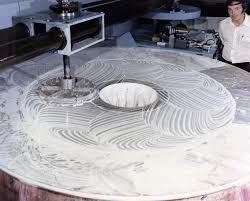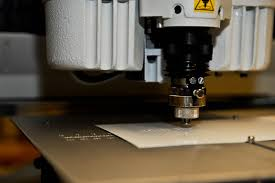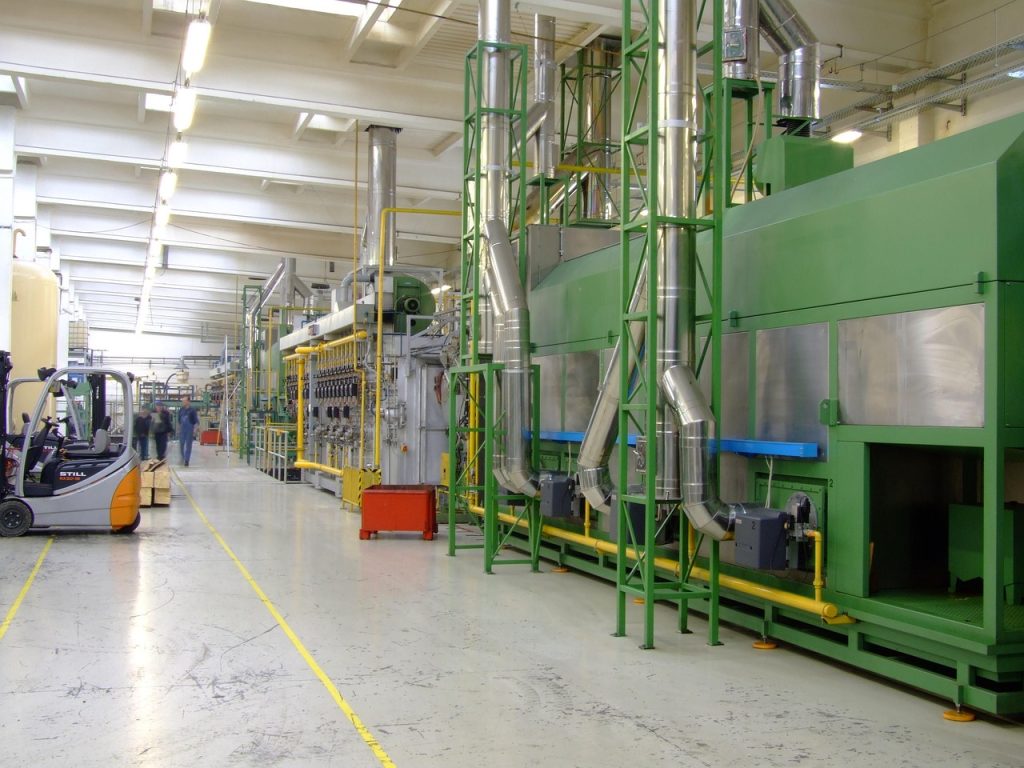
Precision machining is a sophisticated manufacturing process that focuses on creating components and parts with remarkable accuracy, typically within tolerances of just a few micrometers. This technology is crucial in sectors where the stakes are high, such as aerospace, automotive, and medical industries. The process involves various advanced equipment and techniques, including CNC (Computer Numerical Control) machines, lathes, milling machines, and laser cutting tools. Each of these machines plays a pivotal role in transforming raw materials into finely crafted components that meet stringent industry standards.
Importance of Precision Machining in Manufacturing
In today’s fast-paced industrial environment, the significance of precision machining cannot be overstated. With the increasing complexity of products and the rising expectations of consumers, businesses must prioritize product quality and reliability. Precision machining acts as a solution to ensure these requirements are met efficiently.
Ensuring Product Quality
Quality is the cornerstone of customer satisfaction. Precision machining ensures that components and parts are manufactured with uniformity and consistency, which enhances the overall product performance. In critical industries, such as automotive manufacturing, any minor flaw can lead to significant safety concerns. For instance, precisely machined brake components are vital for ensuring vehicles operate safely.
Increasing Reliability
Moreover, precision machining improves the reliability of components. Customers favor suppliers known for high-quality and dependable products; this preference translates into increased customer loyalty and revenue. Consistent quality in production also means fewer recalls or warranty claims, which can be detrimental to a company’s reputation.
Reducing Maintenance Time
Products that are machined with high precision generally require minimal maintenance. This reduction in the frequency and cost of repairs brings significant economic advantages, as companies can keep operations running smoothly without unexpected downtimes. For example, in the aerospace industry, precise manufacturing of engine components ensures long-term operational efficiency, reducing maintenance checks.
Enhancing Competitiveness
Finally, in an increasingly competitive market, offering products that balance high quality with reasonable pricing is crucial for distinguishing oneself from competitors. Precision machining enables companies to innovate and modernize products quickly, ensuring they remain relevant in their markets.
| Benefits of Precision Machining | Impact on Industry |
|---|---|
| Improved Product Quality | Enhances customer satisfaction and reduces liability |
| Higher Efficiency | Decreases production costs and increases profitability |
| Customization Capabilities | Meets specific market demands effectively |
Precision Machining Process: A Detailed Overview
The precision machining process involves several critical steps from conceptualization to production. At every stage, particular attention is given to ensure the final product meets the required standards.
Receiving Customer Requests
The process begins with an understanding of customer needs. A professional consulting team engages clients to pinpoint their specific requirements, whether for one-off components or large-scale production runs. This dialogue not only helps in aligning expectations but also lays the groundwork for project success.
Technical Design
Once requirements are gathered, engineers create technical drawings using modern CAD/CAM software. This stage is vital as it dictates the entire manufacturing process. Accuracy at this point ensures effective resource management and sets the production benchmarks.
Machining
The heart of the precision machining process lies in the execution. Advanced equipment is employed for cutting, milling, turning, and welding. Using CNC machines, for example, allows for remarkable precision and swiftness in production while maintaining high-quality outputs.
Quality Control
Quality control is an integral part of the precision machining process. Completed products undergo thorough testing using advanced measuring tools such as 3D measuring machines, calipers, and micrometers. This step ensures that any defects are identified and rectified promptly, safeguarding the integrity of the production.
Delivery
Products are delivered to clients with stringent adherence to timelines and quality standards. This commitment to service fosters trust and loyalty between manufacturers and their clientele, as timely delivery is often just as crucial as product quality.
| Process Stage | Description | Tools Used |
|---|---|---|
| Customer Requests | Gathering specifications and requirements | Consulting team |
| Technical Design | Creating detailed technical drawings | CAD/CAM Software |
| Machining | Actual manufacturing of components | CNC Machines, Lathes |
| Quality Control | Testing and verification of products | Measuring instruments |
| Delivery | Final delivery to customers | Logistics management systems |
Applications of Precision Machining Across Industries
Precision machining plays a vital role in various sectors, each with unique requirements and challenges. Its adaptability allows for the production of components across different domains with exacting standards.
Automotive Industry
In the automotive sector, precision machining is critical for creating engine components, wheels, and braking systems. The manufacturing process must adhere to strict safety standards, ensuring that components function flawlessly. For instance, the tolerances for parts involved in braking and control systems are extremely tight, where even a minor error can lead to significant safety issues.
Aerospace Industry
The aerospace industry demands impeccable precision for every part manufactured. Components such as wings and engines must conform to stringent regulations, highlighting the need for careful machination. Precision machining ensures that safety-critical components operate reliably, playing a crucial role in flight safety.
Medical Equipment
In medical technology, precision machining is indispensable. Medical devices like surgical instruments, MRI machines, and diagnostic tools must be fabricated to meet high standards of hygiene, reliability, and precision. These components directly affect patient safety, emphasizing the importance of machining accuracy.
Electronics Industry
Precision machining is also prevalent in the electronics sector, where it is used to produce compact and sophisticated electronic components. Devices such as smartphones and laptops rely on precisely machined parts to function properly, enhancing performance and durability.
For companies seeking reliable, high-precision manufacturing solutions, Outaouais Welding & Machining offers advanced CNC machining services tailored to meet strict industry standards.