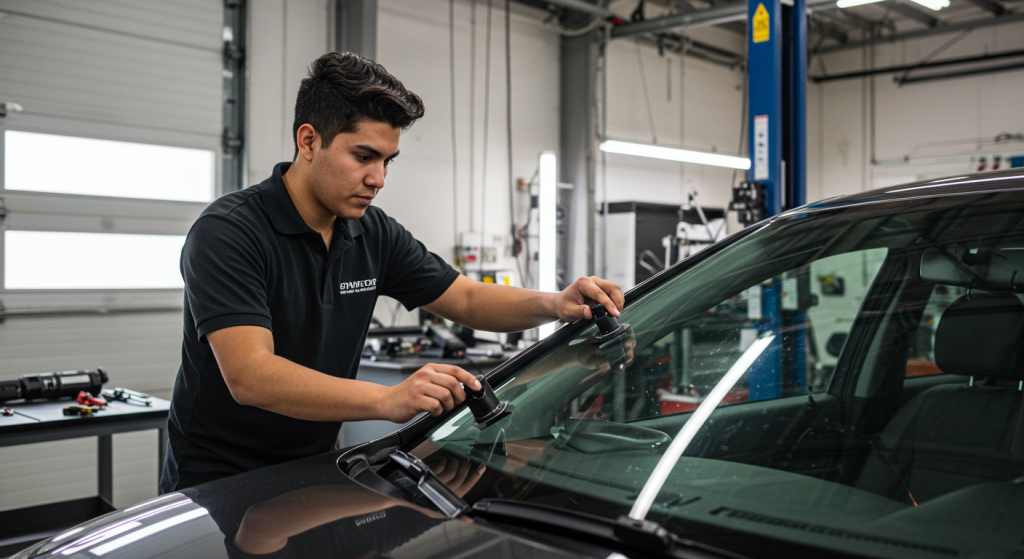
Auto glass is an essential part of vehicle safety and aesthetics, yet many drivers overlook the signs that indicate the need for replacement. Whether due to an unexpected crack from road debris or damage caused by extreme weather, recognizing when to replace your car windows is crucial for safety and functionality. In this guide, we explore everything you need to know about assessing auto glass damage and the factors that will help determine the necessary steps to take. Understanding these aspects can not only ensure your safety on the road but also potentially save you money in the long run.
Identifying Damage: Cracks and Chips in Your Auto Glass
When it comes to car windows, even minor damage can lead to significant problems if not addressed promptly. The first step is understanding the types of damage you may encounter. Cracks, chips, and even discoloration are common issues that many vehicles face. The location, size, and severity of the damage are critical factors that will determine whether repair or replacement is necessary.
Types of Damage: What to Look For
It’s essential to be familiar with the various forms of damage that can occur to your car’s windows. Recognizing these types can help in your decision-making process:
- Chips: Small pieces of glass missing from the surface, often caused by rocks or debris.
- Cracks: Lines that form on the glass surface, ranging from small fractures to large splits.
- Discoloration: A hazy or cloudy appearance which can obscure visibility.
- Spiderweb Cracks: Cracks that radiate out from a central point and can grow larger over time.
Understanding these types of damage is crucial because it informs you of the level of urgency. For instance, a small chip in a non-critical area may only require repair, while a large crack in the driver’s line of sight could necessitate immediate replacement.
Assessing the Severity of Damage
Once you are familiar with the types of damage, you must assess the severity. For example, chips less than six inches long may often be repairable, especially if they are not in the driver’s direct line of sight. However, larger cracks or damage that takes up more than a third of the windshield’s width typically requires a full replacement.
| Type of Damage | Repairable? | Replacement Needed? |
|---|---|---|
| Small Chip | Yes | No |
| Large Crack | No | Yes |
| Spiderweb Crack | Depends on Size | Possibly |
| Discoloration | No | Yes |
In 2025, the auto glass industry is projected to continue growing significantly, with thousands of professionals available to assess your vehicle’s needs
Understanding the Location of Damage
The location of the damage is just as important as the size and type. Damage that lies in the driver’s direct line of sight poses an obvious safety risk, as it can obstruct visibility and distract from the road. Similarly, damage at the edges of the windshield can compromise the overall structure of the glass, leading to further issues down the line.
Critical Areas of Concern
Here are some critical areas where damage can have the most impact:
- Driver’s Side: Any damage in this area requires immediate attention.
- Front Center: Impairs visibility and can be distracting, demanding quick action.
- Edges: Damage near the frame may lead to structural integrity concerns if ignored.
By understanding the implications of damage based on location, you can make informed decisions.
Consulting Professionals for Expert Assessment
Don’t hesitate to seek professional help. Professionals employ diagnostic techniques and experience to assess damage accurately, preserving both your safety and vehicle integrity.
Cost Considerations: Repair vs. Replacement
The cost of repairs compared to replacements is often a significant factor when making this decision. Typically, repairs are less expensive and can be completed quickly. Many insurance policies even cover the cost of minor repairs, leading to out-of-pocket expenses being minimal. However, ignoring extensive damage can lead to greater costs down the line.
| Action | Estimated Cost | Insurance Coverage |
|---|---|---|
| Repair | Low to Medium | Often Covered |
| Replacement | Medium to High | Partially Covered |
Understanding these costs makes it clear why evaluating whether to repair or replace is vital. Consider how a minor repair now can prevent the need for extensive work later. Companies help navigate these financial aspects with transparency, providing quotes that help you make the best decision for your vehicle.
Long-Term Financial Benefits
Deciding to replace rather than repair can lead to significant savings in the long run. New glass ensures that the car’s structural integrity is maintained, potentially improving resale value. It also eliminates any risks associated with poor visibility, offering peace of mind while driving.
Actively assessing your auto glass for signs of cracks, chips, or discoloration is crucial. By understanding the nuances of damage types, locations, and costs, you can make informed decisions that enhance both your safety and the longevity of your vehicle. Remember, professional consultations from trusted companies like Triton Auto Glass can provide you with valuable insights to guide your decisions.