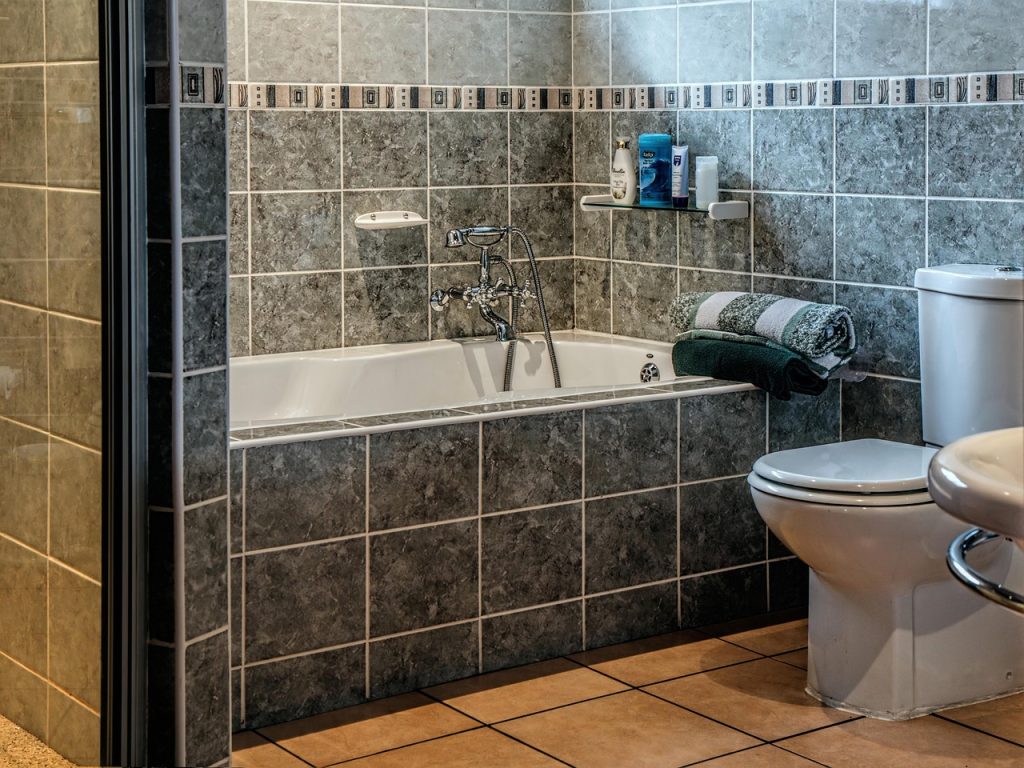
When dealing with a small bathroom, maximizing every square inch becomes a top priority. Bathtubs, traditionally seen as bulky fixtures, can surprisingly fit within this limited space if chosen carefully. One essential aspect to consider is layout. Before settling on a bathtub design, measure your bathroom meticulously, taking into account the location of other fixtures such as sinks and toilets along with plumbing accessibility. Knowing the exact dimensions will streamline your choices and help to avoid future complications.
Another crucial factor is installation type. Various tub installations serve different purposes and aesthetics:
- Freestanding Tubs: These versatile tubs can be placed anywhere, making them ideal for open layouts.
- Built-in Tubs: Often fitted snugly against walls to conserve space, these are effective for traditional designs.
- Corner Bathtubs: Perfect for utilizing often-overlooked spaces, they add a unique shape without occupying too much floor area.
The material you decide is equally important. Options like acrylic, which is lightweight and offers durability, are often recommended for small spaces. For an innovative touch, choices like Kohler and American Standard add stylish flair without sacrificing quality.
How Space-Saving Bathtubs Enhance Functionality
A well-chosen bathtub isn’t just a place for a quick rinse; it can enhance the bathroom’s overall functionality. Some designs come with integrated features like storage shelves or built-in armrests, which help maximize what little space you have. New technology also allows for sleek, compact designs that provide deep soaking experiences without the bulkiness traditionally associated with bathtubs.
| Bathtub Type | Space Consideration | Features | Ideal Size |
|---|---|---|---|
| Freestanding | Flexible positioning | Stylish designs, deep soaks | 4-6 ft typically |
| Built-in | Space-saving against walls | Easy to clean, seamless style | 5-6 ft typically |
| Corner | Optimizes corner space | Unique shapes, spacious interior | 5-5.5 ft typically |
Every square inch counts in a small bathroom. Utilizing corner spaces often makes a bathroom feel larger while providing ample room for a fulfilling bathing experience. The key is to strike a balance between size and comfort. Wellfor, offering various compact designs, has become a preferred choice for homeowners looking to make the most out of their limited space. Moreover, carefully selecting a bathtub that incorporates essential details without overwhelming the visual appeal of a small area can significantly transform your bathroom into a cozy retreat.
The Best Bathtub Types for Compact Spaces
At this point, you might be wondering which specific bathtubs are best suited for small bathrooms. The good news is that the market has expanded to accommodate the needs of compact spaces. Below are some highly recommended bathtub types that combine functionality, aesthetics, and comfort:
1. Freestanding Bathtubs
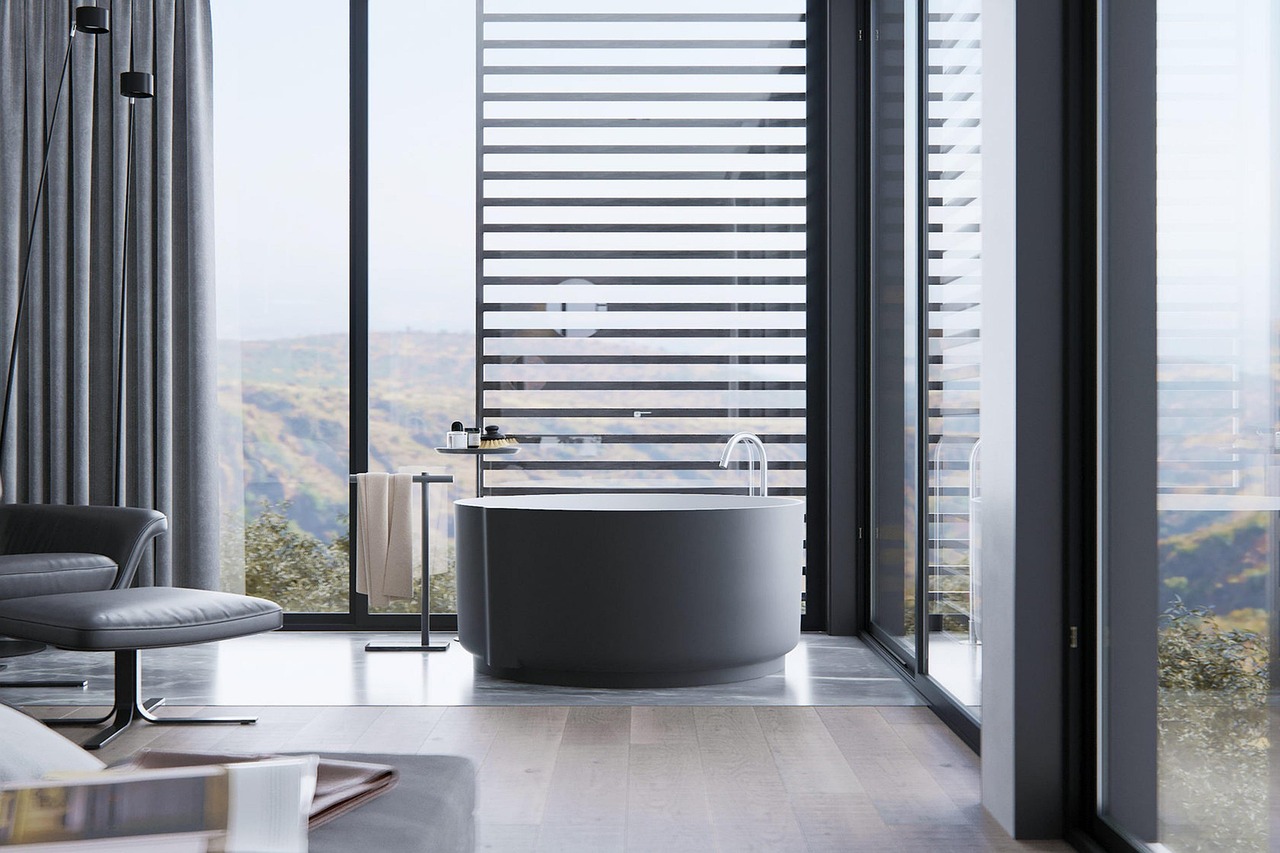
Freestanding tubs have surged in popularity, offering a touch of elegance while still being entirely practical. These tubs can stand alone and do not require any specific installation against a wall, allowing them to become a focal point within the bathroom.
- Pros: Elegant design, easy installation, and available in various compact sizes.
- Ideal For: Bathrooms with an open design where you can showcase the tub as a key feature.
2. Corner Bathtubs
Utilizing neglected corners can present an excellent opportunity to save space. Corner tubs are designed to fit snugly into a corner, allowing you to free up more floor area for other uses.
- Pros: Space-efficient, offering a unique design element to what could otherwise be a standard layout.
- Ideal For: Small bathrooms shaped oddly or needing creative space solutions.
| Bathtub Type | Pros | Ideal Use |
|---|---|---|
| Freestanding | Stylish, easily movable | Open or minimalist designs |
| Corner | Maximizes space | Tight or unique layouts |
| Drop-In | Versatile and easy to clean | Custom built designs |
As consumers place greater emphasis on the utility and design of their living spaces, brands like Aquatic and Duravit have stepped up their game. They offer tailored solutions that marry practicality with elegance, catering specifically towards users with limited square footage but high expectations for quality and luxury.
Considering Materials: What’s Best for Your Small Bathtub?
When selecting a bathtub, the material can heavily influence not only weight but also durability and maintenance. Lightweight materials like acrylic and fiberglass are often preferred in small spaces. They’re easier to install, which is an essential consideration for compact bathrooms where every inch can strain overall space dynamics.
- Acrylic: A very popular material due to its lightweight nature and availability in various styles and shapes. It also holds heat remarkably well, keeping your bath warm longer.
- Cast Iron: While more substantial and durable, it typically is not the first choice for smaller setups due to weight considerations, but it does retain heat exceptionally well.
- Fiberglass: Often more affordable and lightweight, but usually has a shorter lifespan than acrylic or cast iron options.
Choosing the right bathtub material will ultimately depend on your specific needs regarding maintenance and performance. For instance, if you’re leaning toward aesthetics and want a sleek look, then designs from KUBIKA are increasingly sought after.