
Selecting the right contact lenses can be a pivotal decision for individuals looking to enhance their daily visual comfort and efficiency. As the technology in lens design continues to evolve, a plethora of options now cater to various needs, preferences, and lifestyles. From occasional wearers to those who rely on lenses daily, understanding the choices available is crucial to ensuring optimal eye health and comfort.
Understanding Different Types of Contact Lenses
The array of contact lenses available can be daunting, especially for first-time users. However, knowing the fundamental categories can simplify the decision-making process. Primarily, contact lenses are categorized into two main types: soft lenses and rigid gas permeable (RGP) lenses.
- Soft Lenses: These lenses, which include options like Acuvue and Biofinity, are known for their comfort and flexibility. They are ideal for most wearers and come in varying materials designed to retain moisture and enhance breathability.
- RGP Lenses: While these lenses tend to be less popular due to their rigidity, they offer superior visual clarity and durability. They are especially beneficial for those with astigmatism, providing sharper vision than many soft lens options.
Additionally, there are specific variants within these categories based on wear duration and purpose. For instance, dailies, monthly disposables, and extended wear lenses are designed with unique features that cater to different lifestyles and needs, such as moisture retention and oxygen permeability.
| Lens Type | Material | Wear Duration | Ideal For |
|---|---|---|---|
| Soft Lenses | Hydrogel or Silicone Hydrogel | Daily / Bi-weekly / Monthly | General use, active lifestyles |
| RGP Lenses | Rigid Gas Permeable | Bi-weekly / Monthly | Astigmatism, keratoconus |
Evaluating Your Vision Needs
Understanding your specific vision requirements is paramount when selecting contact lenses. Different lenses cater to various refractive errors, including nearsightedness (myopia), farsightedness (hyperopia), and astigmatism. Each type of vision issue requires a tailored approach to lens selection.
If you are unsure about your needs, here are some common vision problems and suggested lens types:
- Nearsightedness: Consider lenses specifically designed to correct distance vision.
- Farsightedness: Look for lenses that assist with clear vision at close distances.
- Astigmatism: Toric lenses are essential for providing stable and clear vision.
- Presbyopia: Multifocal lenses can help manage age-related vision changes by allowing for clear vision at multiple distances.
Consulting with an eye care professional is advisable to assess your vision needs thoroughly. They will not only help in determining your prescription but also provide guidance on the best lens options available based on your lifestyle and preferences.
Considering Your Lifestyle and Preferences
Your lifestyle heavily influences the type of contact lenses that will best suit you. If you’re someone who leads an active life or engages in sports, daily disposable lenses like Dailies may be the right choice for you. They offer the convenience of daily use without the hassle of cleaning and storing, thus minimizing the risk of infections.
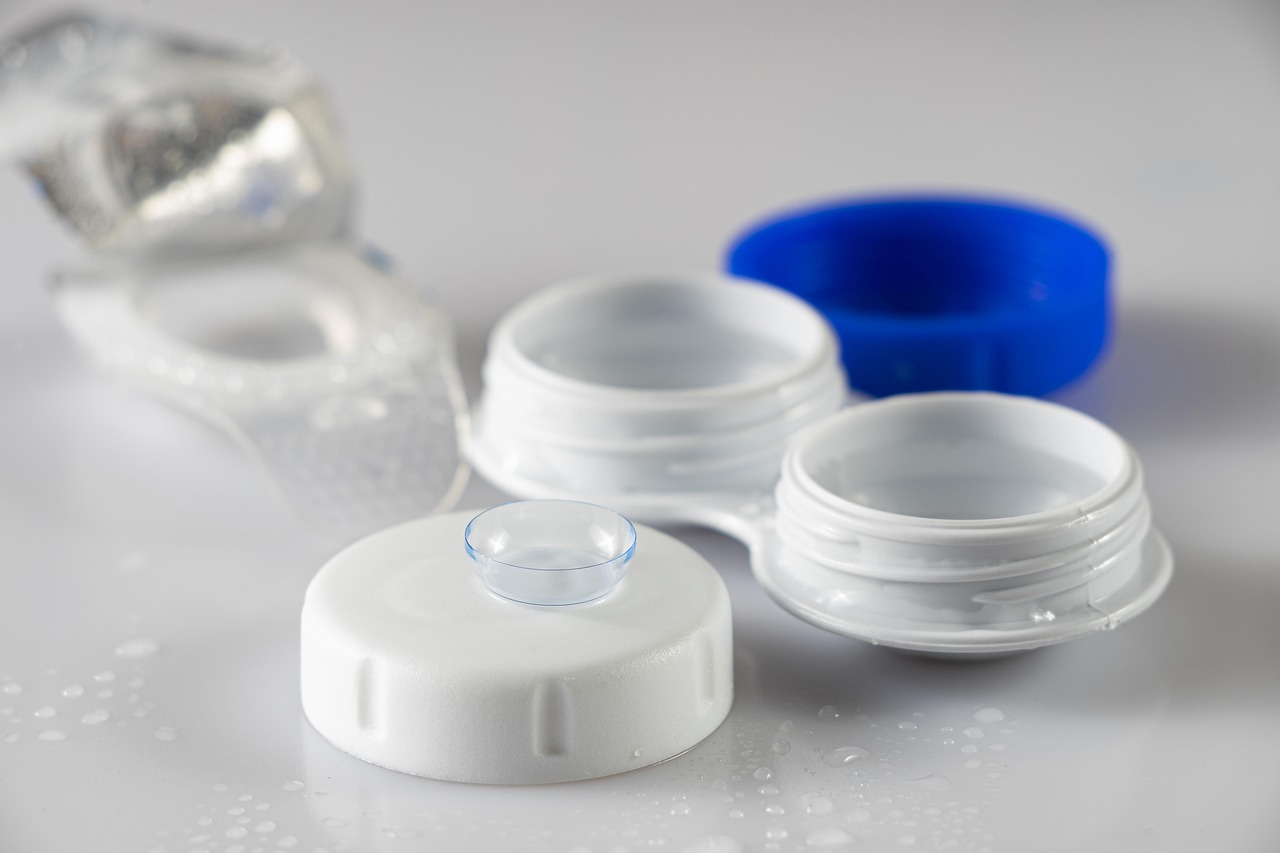
For individuals who spend extensive hours in front of digital screens, consider lenses with blue light filtering features to help mitigate eye strain. Addressing environmental factors is also crucial. If you work in dry or dusty conditions, lenses designed to retain moisture and offer high oxygen permeability are vital for maintaining comfort throughout the day.
- Active Lifestyle: Choose daily disposables for ease of use and hygiene.
- Digital Device Usage: Opt for blue light blocking lenses to reduce fatigue.
- Environmental Considerations: High moisture retention lenses are essential in arid conditions.
- Travel Considerations: Daily disposables eliminate the need for lens care products.
| Activity Level | Recommended Lens Type | Features |
|---|---|---|
| Highly Active | Daily Disposables | Convenient, hygienic |
| Digital Use | Blue Light Filtering Lenses | Reduces eye strain |
| Environmental Exposure | Moisture-Retaining Lenses | Increased comfort |
Selecting the Right Wearing Schedule
With various lens types come different wearing schedules, each designed to meet specific user needs. Understanding these schedules will inform your choice considerably. The primary categories include:
- Daily Disposables: Designed to be worn for a single day, they are ideally suited for occasional use or individuals with allergies.
- Weekly or Bi-weekly Disposables: These lenses offer a balance between cost and convenience, allowing for a fresh lens replacement every one to two weeks.
- Monthly Disposables: More economical for regular use, these are worn for up to 30 days, with cleaning required after each removal.
Consider how often you intend to wear your lenses. If you plan to use them daily, the choices are broader, but for part-time wearers, daily disposables may prevent accumulation of allergens, reducing eye irritations.
| Lens Duration | Advantages | Recommended For |
|---|---|---|
| Daily Disposables | Minimal care required, great hygiene | Occasional users, sensitive eyes |
| Bi-weekly Disposables | Cost-effective, less frequent replacements | Regular users |
| Monthly Disposables | Longer wear time, economical | Daily wearers |
Choosing the right contact lenses is not a one-size-fits-all decision—it requires careful consideration of your vision needs, lifestyle, and personal preferences. With the wide variety of lens types available today, from soft and RGP lenses to specialized options for different activities and environments, there is a solution tailored for every wearer. By understanding the key differences and consulting with an eye care professional, you can find lenses that not only enhance your visual clarity but also support long-term eye health and day-to-day comfort. Taking the time to make an informed choice can significantly improve your quality of life and visual experience.
To explore a full range of contact lenses suited to your lifestyle, visit Valley Vision.