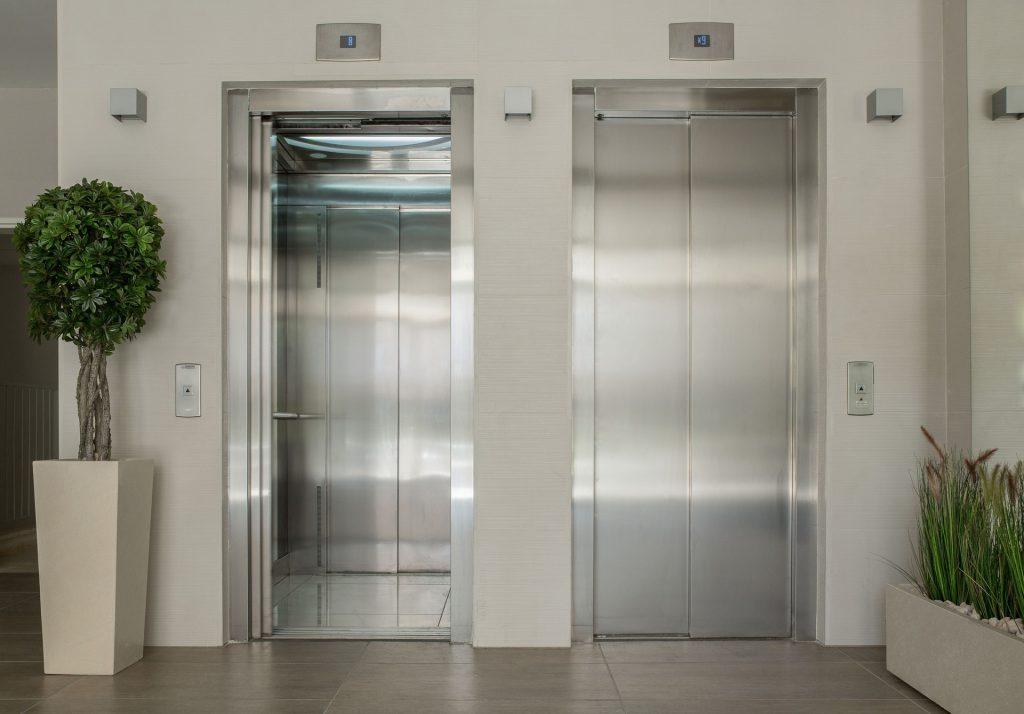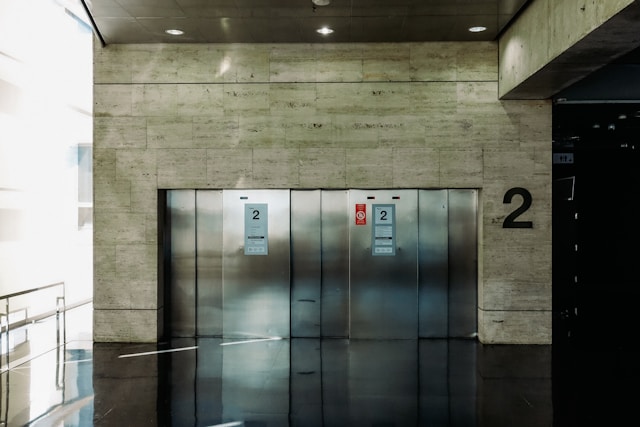
As the infrastructure of cities evolves, maintaining the safety and efficiency of building operations becomes increasingly critical. At the heart of this evolution lies the modernization of elevators—a process that not only enhances performance but also ensures the safety of millions of daily users. Today, an increasing number of building owners are recognizing that investing in elevator modernization projects is not merely an option but a necessity to meet contemporary standards and address the demands of a modern workforce. This article explores the vital aspects of elevator modernization, highlighting its importance, technologies involved, the steps for successful implementation, and the benefits it brings to building operations.
Elevator Modernization: A Vital Necessity
Elevator modernization encapsulates the process of updating the essential mechanical systems, controls, and safety features of elevators to align them with contemporary operational standards. These updates can range from the simple replacement of outdated components to a comprehensive overhaul of the entire system. Building owners must consider that as elevators age, they not only become less efficient but also present heightened risks of malfunction, leading to safety concerns for users.
The Importance of Upgrading Elevator Systems
The significance of elevator modernization cannot be overstated. Here are some key points that elucidate why this process is essential:
- Enhanced Safety: Modern elevators incorporate advanced safety features such as emergency communication systems and improved braking mechanisms, significantly reducing the risk of accidents.
- Improved Operational Efficiency: Contemporary systems reduce wait times and minimize breakdowns, leading to smoother user experiences.
- Energy Efficiency: Upgraded elevators utilize less energy through innovations such as regenerative drives, contributing to lower operational costs and a reduced carbon footprint.
- Compliance with Regulations: Modernization ensures adherence to the latest safety and operational codes, safeguarding the building from legal repercussions.
- Increased Building Value: Enhancing elevator systems elevates the overall market value of a property, appealing to potential tenants or buyers.
Current Trends in Elevator Technologies
The elevator industry is continuously evolving, with new technologies emerging to enhance functionality and safety. Noteworthy innovations include:
| Technology | Description | Benefits |
|---|---|---|
| Destination Dispatch Systems | Group passengers based on their destination, optimizing travel routes. | Increased efficiency and reduced wait times. |
| Regenerative Drives | Recover energy during elevator operation to reduce consumption. | Lower operational costs and energy usage. |
| Touchless Controls | Allow users to operate elevators via mobile devices or touch-free systems. | Enhanced hygiene and convenience. |
| Smart Monitoring Systems | Utilize IoT technology for real-time monitoring and predictive maintenance. | Improved reliability and reduced downtime. |
As we grasp the importance of these innovations, it becomes apparent that they play a significant role in enhancing user experience and operational efficiency. Understanding these upgrades is crucial for building management.
Steps for Successful Elevator Modernization Projects
The pathway to modernizing elevators is not a random endeavor. It demands careful planning, collaboration, and adherence to structured procedures. A successful modernization project generally includes the following phases:
Initial Consultation and Assessment
The first step in any elevator modernization project is engaging with an experienced elevator consultant. A thorough assessment helps in identifying the specific needs of the building while taking into account existing operational conditions. Key considerations during this phase include:
- The age and condition of the current elevator systems.
- Compliance with the latest local safety codes and regulations.
- Budget constraints and financing options available.
- The expected return on investment from modernization.
Choosing the Right Modernization Solutions
With a clear understanding of existing deficiencies, the next step is to select modernization solutions tailored to the unique requirements of the building. This process often involves evaluating multiple solutions and assessing their impact on total operational performance.
Executing the modernization plan necessitates coordination among contractors and adherence to timelines while ensuring that the disruption to daily operations remains minimal.
| Project Phase | Description | Key Considerations |
|---|---|---|
| Initial Consultation | Engagement of an elevator consultant for needs assessment. | Building operations, performance goals. |
| Project Assessment | Thorough evaluation of existing systems and potential upgrades. | Budget, compliance, operational needs. |
| Solution Selection | Choosing appropriate modernization technologies and systems. | Efficiency, user experience, compliance. |
| Construction & Installation | Executing the modernization plan with minimal disruption. | Timelines, budgetary constraints, communication with users. |
In essence, these steps serve as a roadmap for stakeholders to navigate the complexities of modernization projects, leading ultimately to a reinvigorated elevator system. To streamline your next elevator upgrade with confidence and expertise, partner with Peak Elevator—your trusted ally in building modernization solutions.