Building with quality brick walls not only enhances the exterior appeal but also serves as a shield against environmental elements while providing energy efficiency and a myriad of other benefits. In this article, we delve into the fundamental aspects and advantages of utilizing quality bricks for wall construction, highlighting their significance in modern building practices.
The Enduring Strength of Brick Walls
Brick walls are renowned for their strength and longevity. Made predominantly from fired clay, they possess inherent properties that make them exceptionally resistant to various environmental factors. These walls can endure harsh weather conditions—be it severe thunderstorms, heavy snowfall, or scorching heat—and remain intact for decades with minimal maintenance.
- Durability: Brick walls can last well over 100 years with proper maintenance.
- Fire Resistance: Brick does not burn, providing an added layer of safety.
- Pest Resistance: Unlike wooden structures, bricks do not attract pests like termites.
- Minimal Maintenance: Regular cleaning is all that’s needed to maintain their appearance.
The ability of brick to retain heat also contributes to the overall efficiency of a building. By absorbing sunlight during the day and releasing it slowly at night, brick walls help to stabilize indoor temperatures, thereby reducing energy costs associated with heating and cooling.
Energy Efficiency with Brick Construction
In an age where sustainability and energy efficiency are at the forefront of construction practices, quality brick walls emerge as a compelling choice. The remarkable thermal mass of bricks means they can regulate indoor temperatures, reducing the reliance on heating and cooling systems. This property not only enhances comfort but also leads to significant energy savings over time.
Research has shown that homes built with brick can maintain a more consistent temperature throughout the year compared to those constructed with less efficient materials. This is primarily due to the bricks’ ability to absorb and store heat, making them effective insulators. For instance, during the winter months, brick walls retain warmth, minimizing heat loss, while in the summer, they keep interiors cooler.
Moreover, the energy efficiency extends beyond just thermal properties. Choosing bricks can also contribute to reduced energy consumption during the production phase. Bricks produced from local clay sources decrease transportation emissions associated with construction materials, promoting a more sustainable lifecycle for building projects.
| Type of Energy Efficiency | Description |
|---|---|
| Thermal Mass | Bricks absorb and store heat, leading to consistent indoor temperatures. |
| Reduced Energy Costs | Lowers heating and cooling demands, leading to significant savings. |
| Local Sourcing | Minimizing transportation emissions by sourcing materials locally. |
The combination of durability and energy efficiency positions brick construction favorably in today’s architectural landscape, appealing to environmentally conscious builders and homeowners alike.
Aesthetics and Versatility of Brick Walls
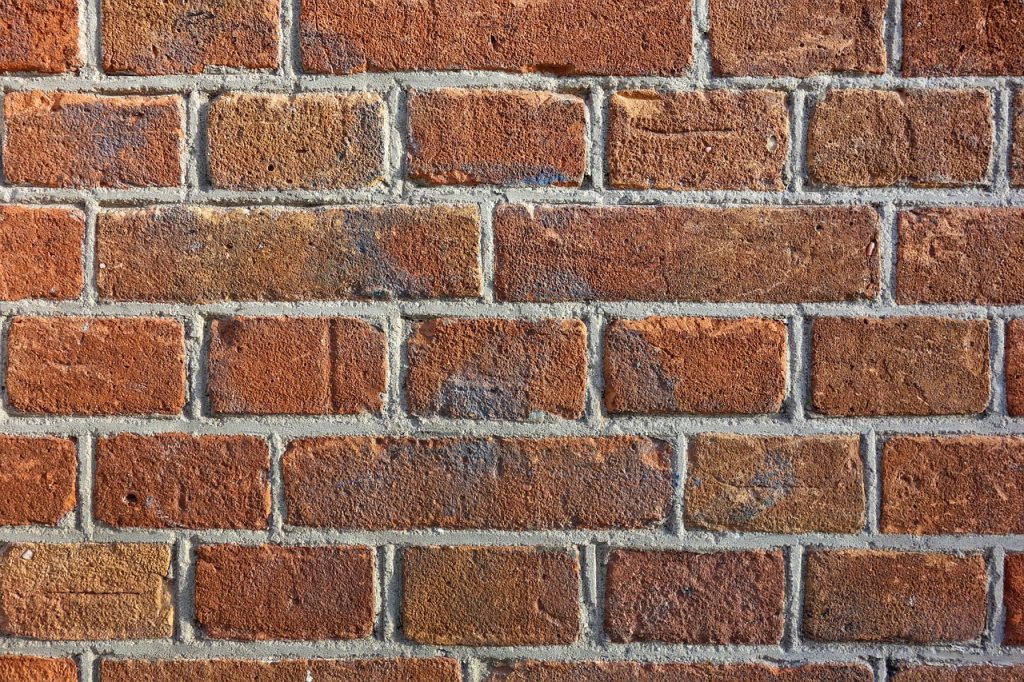
Beyond functionality, brick walls provide an unbeatable aesthetic appeal that is timeless and sophisticated. Available in a wide range of colors, sizes, and textures, bricks allow for creative expression in design, enabling architects and builders to craft unique facades that reflect the vision and character of the project.
Whether used in traditional styles or contemporary constructions, the natural beauty of bricks lends a sense of warmth and texture that is often lacking in other materials. The versatility of bricks extends to their application as well; they can be employed not just for exterior walls but also for interior walls, accents, and even decorative features.
- Color Variety: Available in myriad hues including reds, browns, and grays.
- Customization: Different textures can create distinct visual effects.
- Historical Appeal: Bricks evoke a sense of tradition and heritage in architecture.
- Compatible with Design Styles: Suits everything from rustic to ultra-modern designs.
Moreover, the adaptability of brick extends to its construction methods as well. This wide range of application makes it easier to incorporate bricks into various architectural plans without sacrificing style or substance.
To conclude, building with quality brick walls offers lasting strength, energy efficiency, and versatile aesthetics that enhance any structure—explore high-quality brick solutions from Century Architexture to elevate your next construction project.