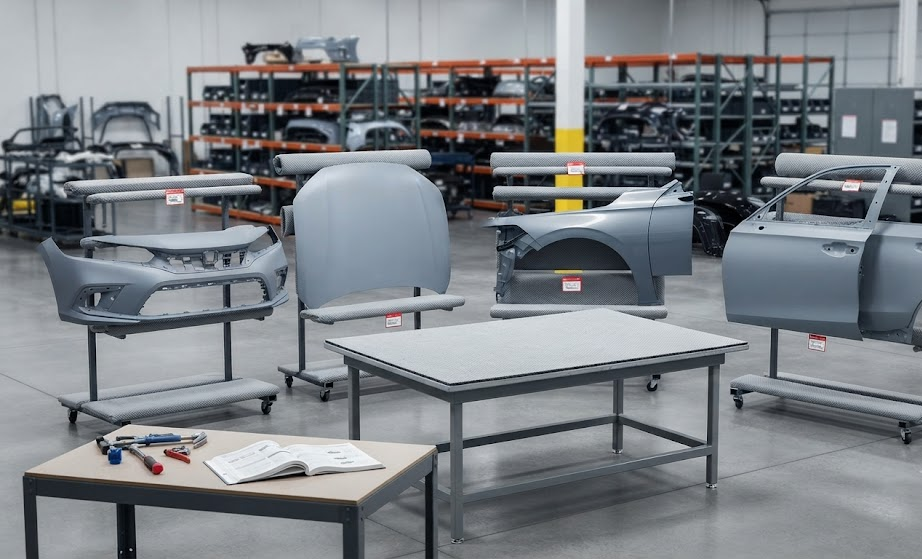
When it comes to maintaining and enhancing your Honda, selecting the right body parts is essential for ensuring both functionality and aesthetics. Whether you’re replacing a damaged component or looking to upgrade your vehicle’s appearance, navigating through the myriad of options can be daunting. Understanding how to choose compatible body parts that will enhance your car’s performance and visual appeal is vital.
Select Body Parts That Fit Your Honda
Choosing body parts for your Honda is not merely a matter of appearance; it’s about ensuring quality, fitment, and durability. From fenders to bumper covers, each part plays a significant role in maintaining the structural integrity and aesthetics of your vehicle.
Identify Your Vehicle Model and Year
Before delving into the specifics of body parts, it’s crucial to identify the exact model and year of your Honda. Each model may have unique specifications influencing which components are compatible.
- Consult your vehicle’s manual for precise information.
- Use your VIN (Vehicle Identification Number) to search for parts specific to your model.
- Research parts catalogs or databases specifically designed for Honda vehicles.
Understand OEM vs. Aftermarket Parts
Another critical aspect to consider is whether you will select Original Equipment Manufacturer (OEM) parts or aftermarket options. Both have their benefits and can significantly affect your Honda’s performance.
- OEM Parts: Made directly by the manufacturer, ensuring a precise fit and quality.
- Aftermarket Parts: Often available at a lower cost and may offer enhanced features, but quality can vary.
- Evaluate customer reviews to gauge satisfaction with aftermarket options.
Inspect Quality Standards for Parts
Assessing the quality of body parts is paramount. Ensuring that each piece meets or exceeds established standards can save you money and time in the long run.
Look for parts that are certified to CAPA (Collision Repair Association) standards, as these provide assurance of quality and fitment. Factors to consider include:
- Material durability: Select parts made from high-quality materials that withstand wear and tear.
- Finish quality: Pre-painted options can save on additional costs and wait time.
- Warranty details: A good warranty indicates manufacturer confidence in their product’s quality.
Authenticate Compatibility
Ensuring the compatibility of the chosen parts goes beyond simply matching models. It’s essential to delve deeper into specifications and part numbers.
Utilizing a parts compatibility checker can streamline this process:
- Search by OEM part number to ensure an exact match.
- Check specifications against your vehicle’s requirements.
- Engage with online forums or communities for feedback on specific parts.
Visual Appearance Considerations
While performance is essential, visual appeal is also integral to your Honda’s identity. The right body parts can elevate the overall look, creating a cohesive design.
- Consider the color match if you’re opting for painted parts.
- Explore different styles, such as sport or OEM+, to tailor the look of your car.
- Enhancements like body kits can dramatically transform the aesthetics and functionality of your vehicle.
Seek Professional Guidance When Necessary
Don’t hesitate to consult professionals when finalizing your selection. Expert advice can be invaluable in ensuring that your choices blend seamlessly with your vehicle’s design and functionality.
Engaging with certified Honda specialists offers numerous benefits:
- Customized recommendations based on your specific needs.
- Installation services to ensure components fit accurately.
- Insights into the latest parts and upgrades available for your model.
Execute the Installation Process with Care
Once you’ve chosen the right parts, it’s time for installation. Taking the proper steps can ensure longevity and performance.
Consider the following key points:
- Follow the manufacturer’s installation instructions closely.
- Use the appropriate tools to avoid damage during assembly.
- Take your time to ensure everything is fitted securely.
Plan for Future Upgrades
Lastly, think ahead when choosing body parts. Depending on your future plans for enhancements, ensure the new components will work well with other potential upgrades.
This foresight not only aids in maintaining compatibility but can also increase your vehicle’s value over time. Planning for upcoming technologies or accessories can be advantageous in the long run.