Restoring a classic car is not just about bringing an old vehicle back to life; it’s an artistic journey that blends craftsmanship and expertise. In this article, we will explore the meticulous process behind professional classic car restoration, uncovering the steps taken to transform these timeless treasures into stunning pieces of automotive history.
Understanding the Restoration Process
The restoration of classic vehicles typically involves a series of well-defined stages. Each phase addresses specific aspects of the car’s condition, ensuring a comprehensive transformation. Here’s a closer look at the core components of the restoration process:
1. Assessment and Planning
The first step in any restoration project is a thorough assessment of the car’s current state. This involves:
- Visual Inspection: Inspecting the body, interior, and mechanical components for wear and damage.
- Documentation: Gathering any available history on the vehicle’s previous restorations or modifications.
- Cost Estimation: Developing a budget based on the identified needs and desired outcomes.
This initial phase sets the foundation for the restoration project, allowing professionals to create a detailed plan tailored to the specific vehicle.
2. Disassembly
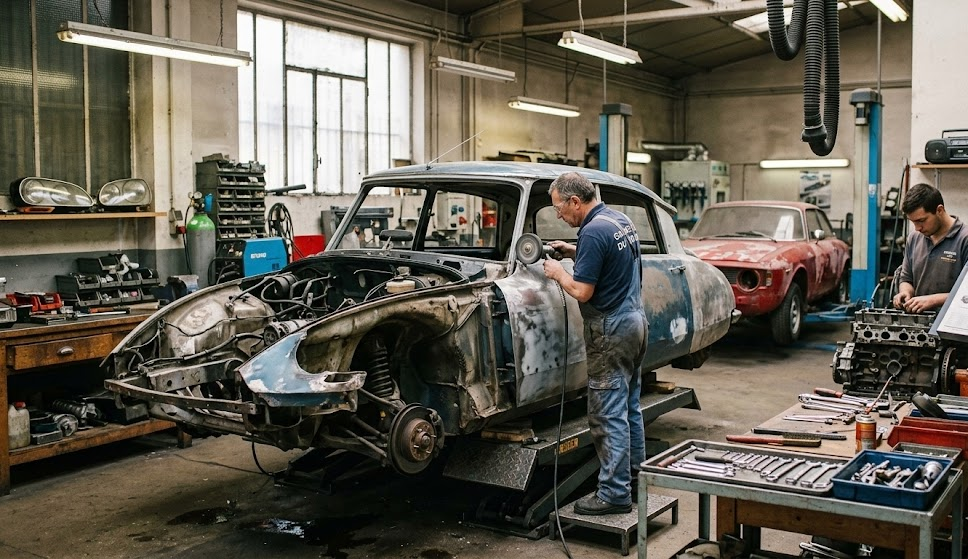
Once the assessment phase is complete, it’s time to start taking the car apart. Disassembly is critical for evaluating each component closely, and typically involves:
- Removing Panels: Taking off doors, fenders, and bumpers carefully to avoid damage.
- Engine and Transmission Removal: Extracting these crucial components to give a better view of the car’s underbelly.
- Interior Stripping: Removing seats, carpets, and trim pieces to prepare for restoration.
This stage may reveal additional repairs that were not visible during the initial inspection, helping to reassess the budget and timeline.
3. Bodywork and Refinishing
The car’s exterior is often where the most visible transformation occurs. Bodywork often involves:
- Rust Repair: Addressing any corrosion issues to prevent deterioration.
- Panel Replacement: Installing new panels where necessary, especially for iconic parts prone to rust.
- Painting: Applying a fresh coat of paint, often using techniques that replicate the car’s original finish.
This stage, where craftsmanship plays a pivotal role, is what brings out the aesthetic appeal of the restored vehicle.
Mechanical Restoration and Upgrades
Beyond visual enhancements, the mechanical aspects must also be revitalized. This involves:
1. Engine and Transmission Rebuild
Typically, the engine is disassembled down to its core components. Each part is cleaned, inspected, and either replaced or rebuilt. This stage ensures that the powertrain operates as intended:
- Reconditioning: Repairing or replacing gaskets, bearings, and other essential internal components.
- Performance Upgrades: At this stage, many choose to implement modern technology for improved efficiency.
2. Chassis and Suspension Overhaul
Strengthening the foundation of the vehicle is vital. Technicians often work on:
- Suspension Systems: Replacing shocks, springs, and bushings to improve ride quality and handling.
- Braking Systems: Upgrading brakes to meet modern safety standards while maintaining visual appeal.
Proper tuning and adjustments in these areas not only ensure safety but also enhance the car’s drivability.
Final Touches and Quality Control
The penultimate phase of classic car restoration focuses on the finishing touches. This includes:
- Interior Restoration: Reupholstering seats, replacing carpets, and refurbishing dashboard elements.
- Detailing: Ensuring that every nut and bolt gleams, reflecting the care invested in the project.
Quality Assurance
Before the car hits the road, it undergoes a rigorous quality control inspection. Professionals look for:
- Functionality Checks: Testing all mechanical components to confirm they operate smoothly.
- Aesthetic Evaluation: Ensuring the finish meets high standards and aligns with the intended vision.
The Joy of Classic Car Restoration
Completing a classic car restoration is a gratifying endeavor for both passionate collectors and skilled craftsmen. It’s about more than just restoring a vehicle; it’s about preserving history, celebrating design, and understanding the emotional connections these cars forge with their owners.
Restoring a classic car is a meticulous process that requires both passion and expertise. By understanding the various stages involved, enthusiasts can appreciate the craftsmanship behind each restored vehicle. Whether you are considering a restoration project or simply admire the artistry, consulting with an expert in classic car restoration can greatly enhance your experience.