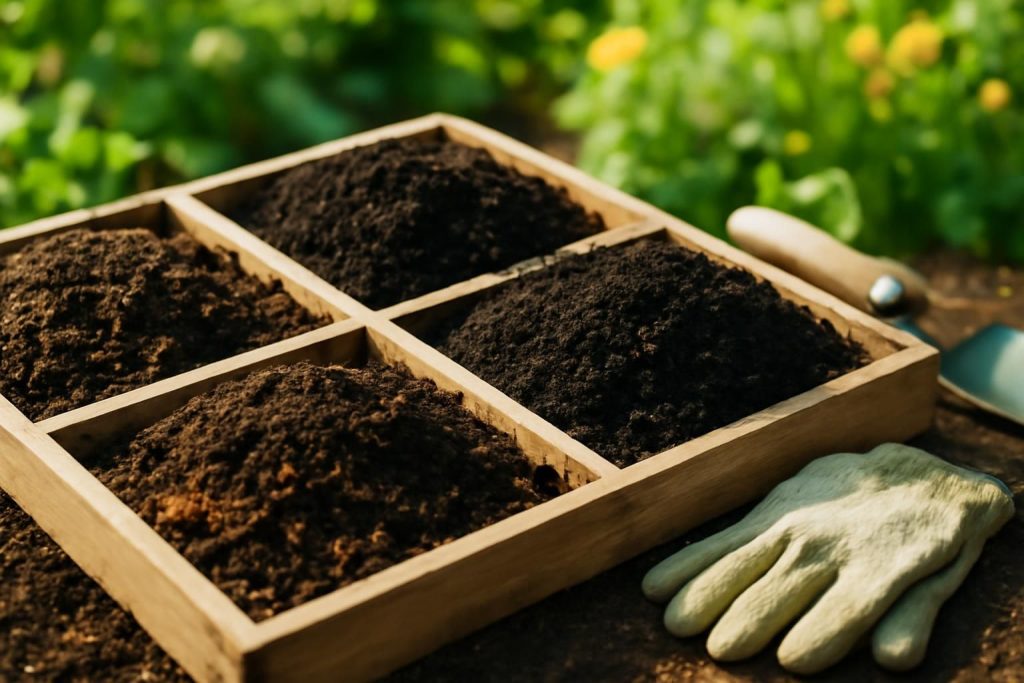
Organic topsoil is often described as the best starting point for a thriving garden. It is a unique blend created from natural materials, aged and decomposed to provide the ultimate environment for plant growth. This topsoil is rich in organic matter, which consists of decomposed leaves, plants, and microorganisms that contribute to soil nutrition. Unlike conventional soil, organic topsoil works like a powerhouse, supplying essential nutrients and moisture to plants effectively.
The Benefits of Using Organic Topsoil for Your Garden
Choosing organic topsoil comes with a plethora of advantages that set it apart from other gardening soil options. Firstly, organic topsoil enhances plant growth by providing a rich supply of nutrients. The natural nitrogen, phosphorus, and potassium present in organic materials contribute significantly to the health of your plants. Gardens utilizing organic topsoil can produce vegetables and flowers in higher quantities compared to those grown in untreated soil.
Another significant benefit is its ability to retain moisture effectively. Organic topsoil is excellent at holding onto water, ensuring plants receive the hydration they need without the risk of becoming waterlogged. This is particularly advantageous during hot summer months when water conservation becomes critical for gardeners. Optimally hydrated plants are better equipped to combat environmental stress and pests.
Furthermore, organic topsoil promotes a vibrant ecosystem beneath the surface. The presence of beneficial microorganisms and nutrients creates a dynamic environment conducive to healthy root development. These microorganisms interact with plant roots, enhancing nutrient absorption and promoting resistance to diseases. Gardens that utilize organic topsoil tend to require less fertilizer and fewer pesticides, fostering a more sustainable gardening method.
That said, it also works as a natural weed suppressor due to its dense structure which can limit weed growth. Additionally, using organic topsoil enhances the overall health of the soil, making it a better option for long-term gardening success. By maintaining a robust ecosystem, gardeners can look forward to flourishing plants and bountiful harvests.
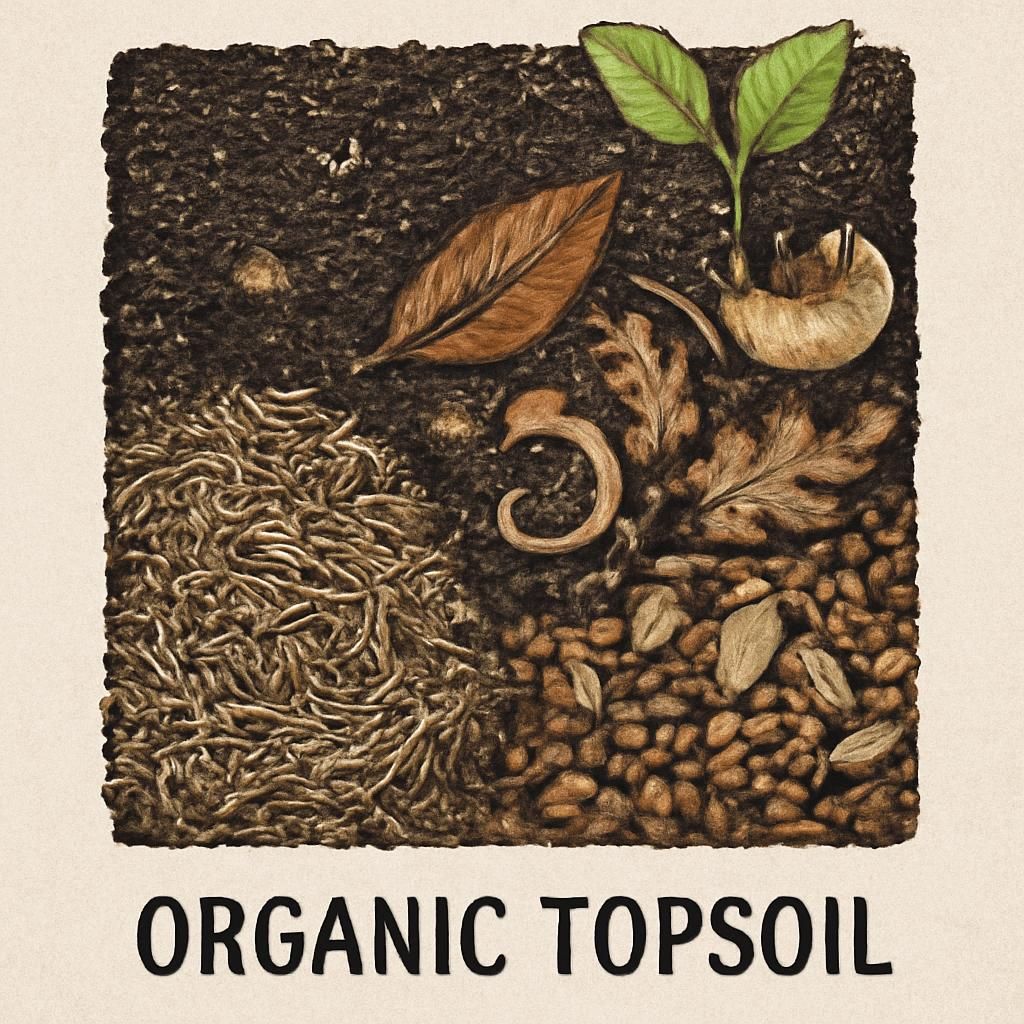
Here’s a summarized list of the benefits of using organic topsoil:
- Nutrient-Rich: Provides essential nutrients for optimal plant health.
- Water Retention: Maintains the perfect moisture balance for roots.
- Microbial Life: Supports beneficial microorganisms that enhance soil health.
- Weed Control: Dense structure minimizes weed growth.
- Sustainable Practices: Encourages eco-friendly gardening methods.
Choosing the Right Topsoil Grade for Plant Health
When selecting topsoil, understanding the appropriate topsoil grades is essential to ensure optimal plant growth. Not all topsoils are created equal, and their qualities can vary significantly based on source material and processing methods. Thus, becoming informed about the characteristics of different grades can help you pick the most suitable one for your garden.
The first consideration in choosing topsoil is recognizing your plant’s specific needs. Different plants have varying preferences for soil attributes such as texture and drainage. For example, vegetables such as carrots thrive in well-drained, loamy soil, while other plants may require heavier, more moisture-retaining textures.
Next, consider the soil texture. Ideally, topsoil should have a balanced composition that combines sand, silt, clay, and compost. This blend allows for optimal aeration while ensuring that water and nutrients can reach plant roots. You can test the soil’s texture by feeling its properties; it should be workable without being too sandy or clay-heavy.
Another crucial factor to examine is the organic content. Topsoils with high organic matter levels provide greater nutrient availability. Moreover, consider the pH level of the soil, as this can significantly affect plant health. Testing kits are available, and most plants prefer a pH range of 6.0 to 7.0.
Finally, be aware of potential contaminants, especially if sourcing from an unknown provider. Clean, contaminant-free soil is paramount to promote healthy plant growth. Therefore, effective evaluation methods can guide you to make an informed choice regarding the best soil for gardening.
Testing Soil pH and Its Importance
The pH level of your topsoil plays a critical role in determining the availability of nutrients essential for plant growth. A proper understanding of your soil’s pH helps tailor your gardening practices for maximum yield. To test your soil, collect samples from various areas of your garden, ensuring to dig approximately 4 to 6 inches deep. Removing any debris or plant material will improve the accuracy of your results.
Once collected, soil testing kits provide straightforward methods of analyzing pH levels. Alternatively, a DIY solution can be made by mixing equal parts soil and water, followed by adding a few drops of vinegar for an initial reaction check. This practice can indicate alkaline properties, while a lack of fizzing suggests acidic soil.
A soil pH reading on the scale of 0 to 14 can indicate where adjustments may be necessary. Most plants prefer slightly acidic to neutral conditions, typically between 6.0 and 7.0. For example, blueberries thrive in more acidic environments, around a pH of 5.5. Knowing this critical information can be beneficial in deciding whether to amend the soil with lime or sulfur to adjust pH levels accordingly.
Here is a brief summary of effective ways to test soil pH:
- Collect samples from various parts of your garden.
- Use accurate soil test kits for reliable results.
- Conduct a DIY vinegar test for a quick assessment.
Organic vs. Inorganic Topsoil: A Comparative Analysis
The choice between organic and inorganic topsoil has substantial implications for your gardening success. Each type brings unique benefits to the table, and understanding these differences can guide you in selecting the most appropriate one for your specific needs. Organic topsoil, as discussed, thrives on its natural components, providing a nutrient-rich environment without relying on synthetic additives.
On the other hand, inorganic topsoil is often quicker to release nutrients, making it suitable for immediate plant growth but potentially leading to lower long-term soil health. Additionally, organic soil contributes more effectively to sustainable practices, supporting the ecosystem and fostering a balanced garden environment.
Water retention presents another significant distinction. Organic topsoil excels at storing moisture over time, beneficial for plants needing consistent hydration. Conversely, inorganic soils may drain too quickly, leading to water-stress conditions for some plants. However, in cases where rapid drainage is essential, inorganic options may be necessary.
In terms of longevity, organic topsoil can decompose more rapidly depending on the organic material present, while inorganic varieties generally offer more stability over time. Whatever your choice, understanding this comparison is critical for sustaining long-term gardening goals.
In summary, consider the following when deciding between organic and inorganic topsoil:
- Nutrient Content: Organic topsoil offers rich nutrients; inorganic is quicker-acting.
- Water Management: Organic holds moisture; inorganic drains faster.
- Environmental Impact: Organic practices are eco-friendly; inorganic may involve synthetic materials.
By evaluating these characteristics, you can make informed decisions to elevate your gardening practices while enjoying the benefits of effective soil amendments and high-quality topsoil.