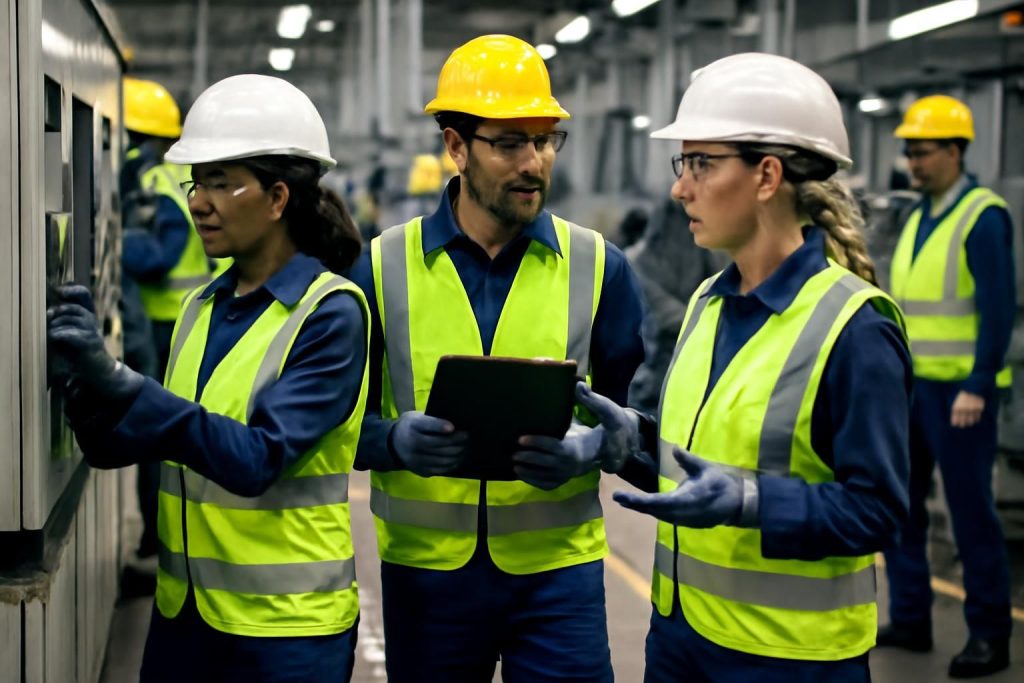
Career apparel plays a pivotal role in ensuring workplace safety, especially in environments rife with potential hazards. The correct choice of workwear significantly reduces the risk of accidents and injuries, safeguarding employees while enhancing their productivity. With the changing landscape of industries, the emphasis on proper attire continues to rise. Many organizations are now taking proactive measures to educate their workforce about the necessity of high-quality protective clothing.
High-Visibility Apparel and Its Role in Safety
High-visibility apparel drastically reduces the risk of accidents in environments with heavy machinery or vehicular traffic. When workers don bright, reflective clothing, it makes them more noticeable to operators of heavy machinery, thus minimizing the likelihood of accidents. The design of such apparel adheres to specific safety standards, ensuring compliance with regulatory requirements and best practices.
It’s essential to choose high-visibility gear that meets the necessary standards, such as ANSI/ISEA 107. This certification outlines performance requirements for garments worn in traffic-heavy environments. The benefits are clear: when workers are outfitted in high-visibility gear, they significantly lower their chances of being involved in incidents caused by operator blind spots. Understanding these regulations can save lives and improve safety outcomes.
Moreover, organizations that prioritize workplace hazards and ensure their employees wear high-visibility clothing contribute to fostering a culture of safety. Employees equipped with proper attire are not just better protected; they also feel more confident, which translates into enhanced focus and productivity on the job.
Comfort and Wearability in Safety Gear
In recent years, the industrial landscape has observed a significant shift towards prioritizing comfort in protective clothing. Modern safety attire incorporates breathable materials and ergonomic designs, allowing employees to perform tasks without being hindered by uncomfortable gear. A clear example is how work jackets are designed not just to keep the worker warm, but also to allow freedom of movement while providing visibility and protection against potential hazards.
Comfortable safety gear directly influences productivity. Workers who are comfortable in their attire tend to focus better on their responsibilities, consequently enhancing the overall efficiency of operations. For instance, a survey may indicate that employees wearing breathable fabrics report fewer distractions due to discomfort, allowing them to engage more effectively in their tasks.
Moreover, the perception of safety is heightened when employees can wear clothing that does not restrict their movements. This paradigm reflects an evolving understanding of occupational safety. Businesses are beginning to recognize the link between comfort, safety, and performance, thus creating more sustainable work environments.
The Comprehensive Role of Work Jackets and Harnesses
When tackling outdoor tasks in adverse weather conditions, work jackets afford necessary protection against cold or inclement weather. These jackets can also integrate visibility features essential for jobs that necessitate high-visibility apparel. Additionally, jackets can help shield workers from flying debris and other materials in various industries, ensuring comprehensive safety.
In construction and maintenance scenarios requiring elevation work, work harnesses serve as critical safety equipment. When guardrails are absent, maintaining proper use of harnesses is essential for preventing fall-related injuries. Moreover, all equipment associated with harnesses should be regularly inspected to guarantee its reliability. Like hard hats, harnesses also mitigate the forces experienced during a fall, enhancing survival chances.
This holistic approach to safety—prioritizing head-to-toe protection through appropriate workwear—has become increasingly necessary as the complexities of modern work environments evolve. By integrating comprehensive safety measures, organizations can safeguard their employees while fostering a productive atmosphere.
Maintaining Workplace Safety through Standards and Assessments
The implementation of safety standards is essential in nurturing a secure work environment. An organization must regularly conduct assessments of specific workplace hazards to ascertain the types of personal protective equipment needed. This approach not only ensures compliance with safety regulations but also provides a structured method for continuous improvement in workplace safety protocols.
For instance, by regularly evaluating the effectiveness of various pieces of protective clothing, employers can identify gaps in existing safety measures. Employees should be encouraged to participate in these assessments, fostering a culture of safety awareness and compliance with safety standards.
Navigating occupational safety involves recognizing that each workplace has distinct needs. This variability underscores the necessity for individualized protective measures tailored to specific risks, ensuring that every employee is equipped to work safely. Such strategies yield long-term benefits, cultivating a resilient workforce poised to tackle any challenges ahead.
Ultimately, it is essential for businesses to remain vigilant, adjusting their employee protection strategies as industries evolve and safety standards raise. Organizations seeking to align with best practices can refer to guides on custom uniforms, ensuring that their workforce is outfitted in attire that’s not only functional but also stylish.
To explore modern solutions in professional uniforms, visit Priority Manufacturing.