
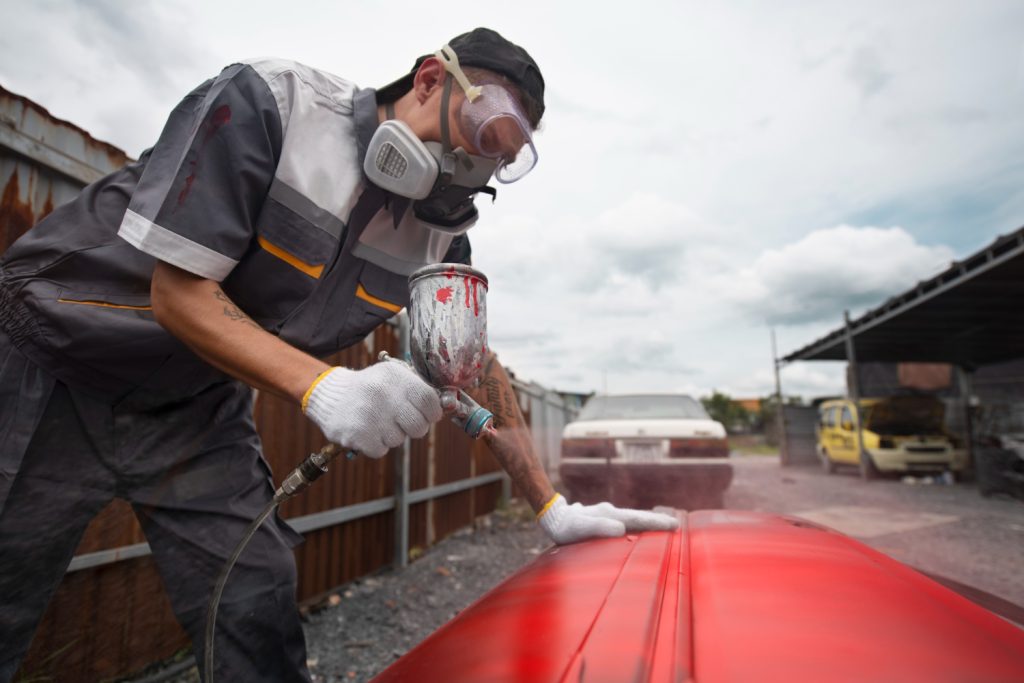
In the realm of industrial operations, the integrity and operational efficiency of equipment are paramount. The application of protective coatings has emerged as a vital strategy to enhance the longevity and performance of industrial equipment. These coatings act as a barrier against environmental aggressors, thereby reducing the risk of corrosion, wear, and other types of damage that machinery often faces. As more industries realize the benefits of these coatings, the demand for advanced applications has surged.
Key Factors in Choosing the Right Protective Coating
Selecting the right protective coating is essential for maximizing durability and effectiveness. Think about the following factors when making your choice:
- Environmental Conditions: Consider the exposure to moisture, temperature extremes, and UV radiation. For example, an oil refinery may require coatings that combat not only corrosion but also chemical wear.
- Material Compatibility: The coating should match the surface type, ensuring optimal adhesion. An incompatible coating can lead to failures down the line.
- Application Techniques: Understand the methods available for applying the coating, whether it be spraying, brushing, or dipping, to ensure workforce capability aligns with project needs.
More than just choosing a coating, evaluating these aspects ensures a thorough approach to protecting industrial equipment. Key industries such as construction and energy often prioritize these assessments to avoid costly delays and maximize productivity.
As businesses conduct a thorough evaluation of their needs and conditions, they can ensure that the selected coatings will effectively mitigate environmental threats and enhance their operational lifespan.
Industrial Applications of Protective Coatings
Protective coatings find various applications across multiple sectors. Each industry harnesses these coatings differently based on specific needs and challenges:
- Energy Sector: Here, coatings protect pipelines and offshore platforms from corrosion caused by saltwater, ensuring infrastructure remains reliable.
- Manufacturing Industry: In factories, machinery often faces heavy usage and chemical exposure. Coatings that resist these factors help optimize efficiency.
- Construction: Coatings extend the lifespan of structures, safeguarding critical components from moisture and temperature fluctuations.
For instance, a manufacturing facility might utilize epoxy coatings on floor surfaces to guard against wear, while a construction company may apply specialized coatings to protect the exteriors of steel beams against rust. Such tailored approaches not only serve immediate protective needs but also enhance the overall operational efficiency of different sectors.
| Industry | Coating Application | Expected Outcome |
|---|---|---|
| Energy | Corrosion-resistant coatings on pipelines | Extended service life of pipelines |
| Manufacturing | Chemically resistant coatings on machinery | Reduced downtime and repair costs |
| Construction | Weatherproof coatings on structures | Prolonged durability and safety |
Investing in protective coatings tailored to specific industry demands allows businesses to maintain high standards of industrial safety and efficiency. With the right strategies in place, the benefits of coatings extend across many applications, fostering resilience in industrial operations.
Common Pitfalls in Protective Coating Application
- Inadequate Surface Preparation: Failing to properly clean and prep surfaces can compromise adhesion, leading to the premature failure of the coating.
- Incorrect Coating Thickness: Applying too thin a layer fails to provide adequate protection, while too thick a layer can cause issues like cracking.
- Choosing Inappropriate Coatings: Selecting coatings based solely on cost rather than their suitability for the specific environment and equipment can lead to reduced effectiveness.
By avoiding these errors, organizations can enhance the reliability of their protective coating applications, thereby maximizing their protective benefits. Regular training and adherence to best practices can bolster the success of coating applications across a company’s assets, ensuring equipment remains operational and safe.
The integration of effective strategies with protective coatings reflects a deeper commitment to safety, efficiency, and sustainable operations within industrial sectors. Successful implementation can dramatically change an organization’s maintenance and operational landscape.
Paving the Way Forward with Protective Coatings
In conclusion, the advancement in protective coating technology provides immense opportunities for industries looking to enhance their productivity and asset longevity. Whether through reducing corrosion, mitigating wear, or extending the lifespan of equipment, protective coatings serve as a strategic investment. By properly evaluating needs, understanding materials, and applying the correct coatings, businesses can ensure that their operations remain efficient and sustainable in challenging environments. For expert guidance on selecting and applying the right protective coatings for your specific industrial needs, contact LINE-X – a trusted leader in industrial coating solutions.