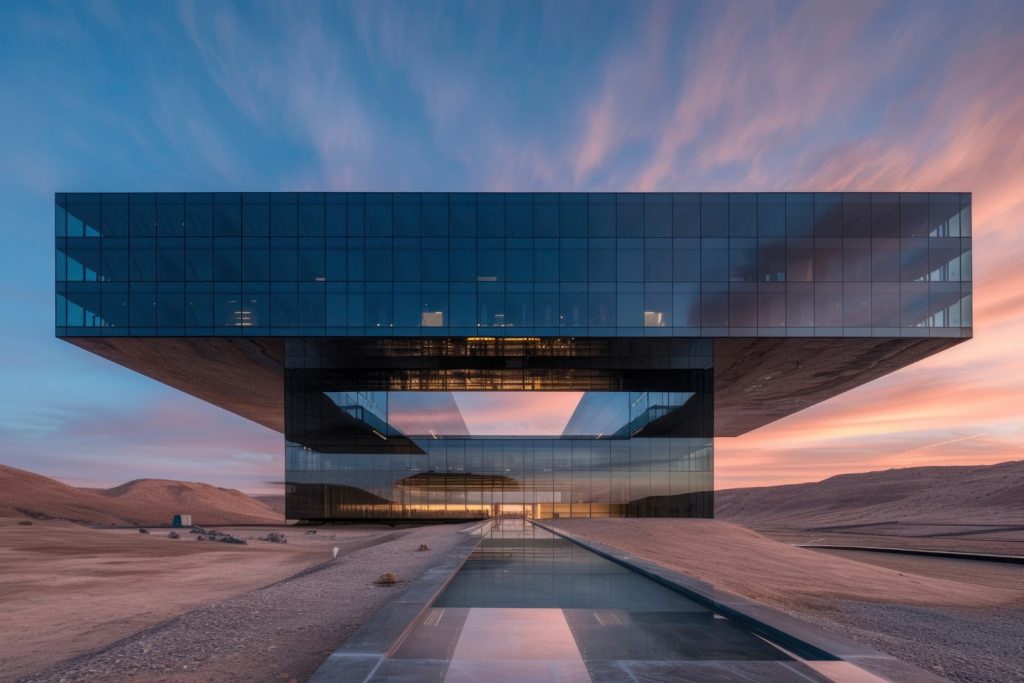
Commercial rendering plays a pivotal role in the architecture and construction sectors, especially when it comes to visualizing projects before their actual execution. This process involves creating detailed and photorealistic representations of a building design, allowing architects, developers, and clients to visualize how a project will look upon completion. By converting technical drawings and blueprints into lifelike images or animations, commercial rendering facilitates better understanding, communication, and decision-making throughout the project lifecycle.
The Components of Effective Commercial Rendering
Diving into specifics, effective commercial rendering hinges on several components that work together to produce high-quality outputs. Each element is vital—neglecting one can diminish the overall effectiveness of the project. Below, we dissect the core components that characterize successful rendering efforts:
| Component | Description | Significance |
|---|---|---|
| 3D Modeling | The initial phase where digital models are created using software such as Autodesk Revit or Rhino. | Forms the backbone of the visual representation and requires accuracy and detail. |
| Texturing | Applying materials and textures to the model surfaces to simulate real-world properties. | Enhances realism and visual appeal. |
| Lighting | The simulation of natural and artificial light sources that define the ambiance of the scene. | Affects mood and enhances the persuasive impact of the rendering. |
| Rendering Process | Utilizing rendering software like Chaos Group’s V-Ray to generate high-quality images or animations. | Transforms the 3D models into visually appealing outputs that align with the project vision. |
| Post-Production | Refinements and enhancements made after rendering using software such as Adobe Photoshop. | Finalizes the rendering, adds details, and enhances overall aesthetics. |
Each component of this process must align perfectly to ensure the final output meets the project’s vision and intent. Failure in any of these aspects can lead to misinterpretation, which could adversely affect the project’s progression.
Applications of 3D Rendering in Commercial Architecture
3D rendering has found applications across a myriad of sectors within the commercial realm. From office buildings to retail spaces, its flexibility allows for a broad range of uses:
- Architectural Visualization: Vital for presenting architectural designs to stakeholders, enabling decisions to be made pre-construction.
- Real Estate Marketing: Using photorealistic renderings to market properties and attract potential buyers, making it a compelling tool in real estate.
- Interior Design: Helping designers propose layouts and aesthetics before any material work begins, significantly impacting client satisfaction.
- Urban Planning: Large-scale rendering projects help demonstrate how new developments will affect existing urban environments—crucial for securing municipal approvals.
- Product Design: Beyond architecture, 3D rendering serves industries requiring product visualization, making it easier to communicate ideas effectively.
The versatility of rendering techniques continues to reshape how commercial projects are approached, offering superior accuracy and visualization.
Common Challenges in Commercial Rendering
- High Costs: Quality renderings often require skilled professionals as well as top-of-the-line hardware and software.
- Time Constraints: Complex projects with intricate details can prolong the rendering process.
- Alignment of Expectations: Discrepancies between stakeholder expectations and the final product can lead to multiple revisions, contributing to delays.
- Technological Limitations: Outdated software or hardware can hinder the quality or efficiency of renderings.
Awareness of these challenges is the first step toward managing them effectively, ensuring smoother project experiences from start to finish.
Looking Ahead: The Future of Commercial Rendering
As we look to the future, commercial rendering is expected to undergo significant evolution. Emerging technologies like virtual reality (VR) and augmented reality (AR) are set to revolutionize how projects are visualized and experienced. These tools allow for real-time interactions and explorations, enabling stakeholders to engage with the designs in immersive environments. Furthermore, AI-driven rendering tools are also being developed to automate and enhance various aspects of the rendering process, making it faster and more cost-effective.
Trends to watch include:
- Real-Time Rendering: Technologies such as Unity or Unreal Engine will continue to grow, allowing for instantaneous feedback and interaction.
- Advanced Visualization Techniques: No longer limited to just still images, the future will include dynamic animations and interactions that summarize entire projects.
- Eco-Friendly Design: Sustainability considerations are increasingly influencing the design process, and rendering plays a key role in visualizing these elements effectively.
As technology continues to advance, 3D rendering will play an ever-more critical role in shaping the future of commercial architecture, allowing for enhanced creativity, precision, and sustainability.
For businesses seeking professional rendering services, THE RENDER MAN offers cutting-edge solutions tailored to architectural and commercial needs.