Nail salon hygiene is built on more than a tidy workstation: it depends on a reliable sequence of cleaning, disinfection and, where available, sterilization. Because hands, feet and tools may come into contact with dust, skin or small cuts, consistent hygiene protocols help reduce infection risks for clients and professionals alike.
Nail Salon Hygiene And The Three Levels Of Decontamination
Sanitation procedures are not interchangeable in a nail salon: cleaning removes visible debris, disinfection targets many pathogens, and sterilization is the highest level of microbial control. Each stage has a distinct purpose, and tools must be cleaned before they can be disinfected or sterilized effectively.
Soap and water are essential for washing hands, feet, surfaces and reusable implements. A brush helps remove oils and filing residue from tools, since leftover debris can interfere with subsequent treatment. Alcohol-based hand sanitizer can support hand hygiene after washing or during a service, but it does not remove dust or replace soap and water.
Disinfection Practices For Nail Tools And Workstations
Once items are visibly clean, the appropriate disinfection method depends on the material and intended use. Product labels should specify suitable applications, dilution, contact time and solution replacement schedule; following these directions is essential for the stated effectiveness.
Disinfection For Surfaces And Reusable Implements
General-purpose disinfectants can be suitable for hard surfaces such as desks, floors and door handles, while metal implements require a professional-grade product intended for tools. Check that claims are supported by recognized standards and that the formula is compatible with the material: some chemicals can corrode metal.
Where an autoclave is unavailable, correctly applied high-level disinfectant is an important part of salon safety for reusable metal tools. A quick tool spray may be useful during work with the same client, but it does not replace the full between-client process. For guidance on maintaining a polished beauty environment, salons may also consult resources on professional salon presentation.
Sterilization Equipment And Its Limitations
Sterilization aims to destroy all forms of microbial life, including resistant spores. An autoclave uses pressurized steam, but its performance depends on correct loading, operating instructions and regular testing, such as scheduled spore tests.
Dry-heat equipment may also sterilize when it is properly designed and validated, although cycles typically take longer. By contrast, UV storage cabinets do not sterilize tools, glass-bead devices may fail to treat every surface, and baby-bottle units are not substitutes for professional equipment. The name on a device is no guarantee of its capability.
Single-Use Supplies And Cross-Contamination Prevention
Many porous or difficult-to-process items should be discarded after one client. Clear handling routines prevent clean implements from coming into contact with used materials, contaminated surfaces or unwashed hands.
A practical service sequence can make these precautions consistent:
- Wash hands and the client’s hands or feet before treatment.
- Clean reusable tools with soap, water and a brush before disinfection or sterilization.
- Use fresh single-use supplies, including files, buffers and wooden sticks, for each client.
- Wipe and disinfect the workstation between appointments, following product instructions.
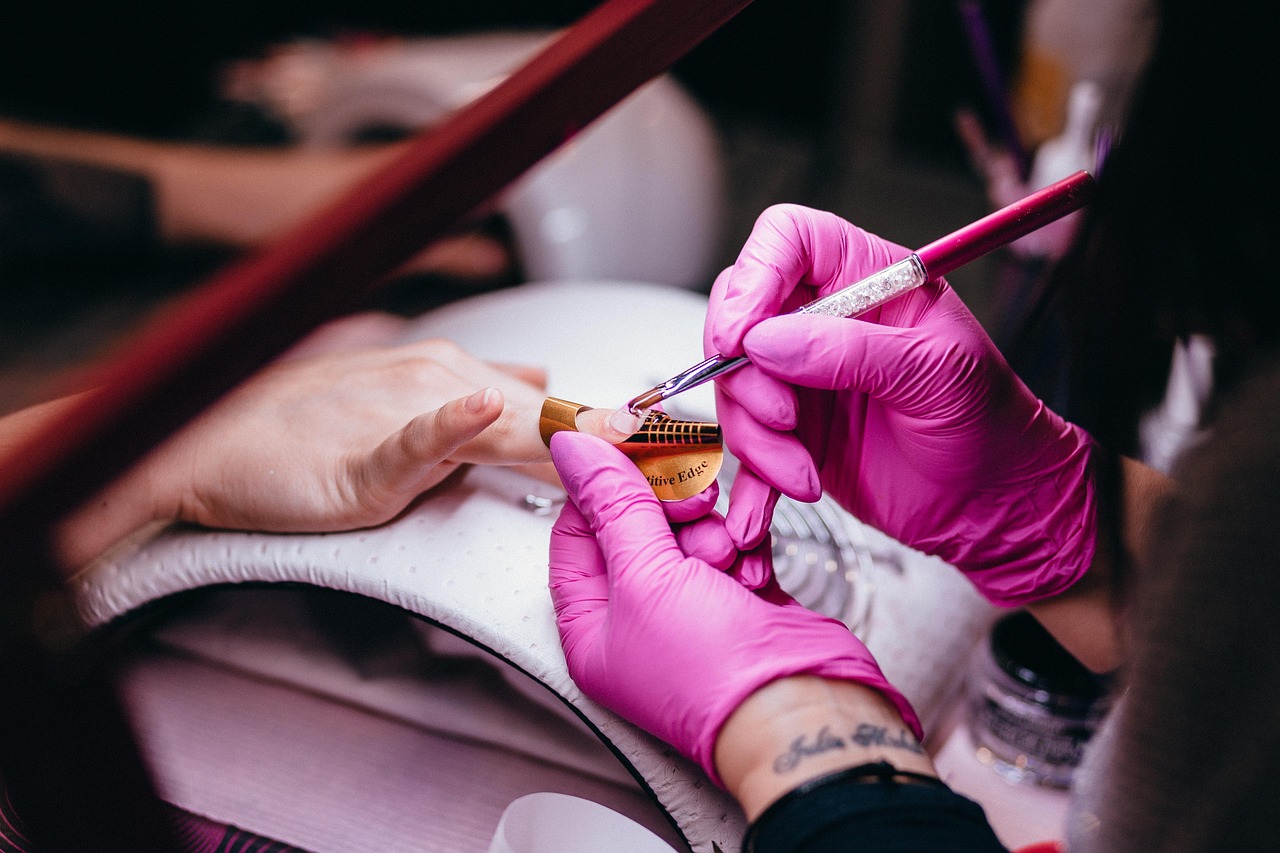
- Wear gloves or a mask when the task or workplace guidance calls for protective equipment.
Technicians should avoid aggressive cuticle cutting, which can injure the surrounding skin, and should not perform services on nails that appear infected. A medical professional is the appropriate source for assessment; beauty services should not take the place of medical care.
Waste Management And Visible Salon Safety
Safe procedures extend beyond tools. Used wipes, cotton pads and disposable implements belong in designated covered bins, while sharps require puncture-resistant containers. Waste that may have contacted bodily fluids should be separated and handled according to applicable local requirements.
Chemicals such as acetone and polish remover should not be poured into ordinary drains unless local disposal guidance permits it. Bins should be emptied regularly, and suitable ventilation helps limit exposure to chemical fumes. Clients can look for clean work surfaces, fresh or properly processed tools and sensible waste handling; broader beauty guidance, including local beauty service information, can help frame questions about professional standards.
Consistent sanitation, sound tool handling and clear hygiene protocols make safer services easier to deliver and recognize. For advice tailored to a particular salon or a suspected nail condition, consult a qualified professional or appropriate health authority.