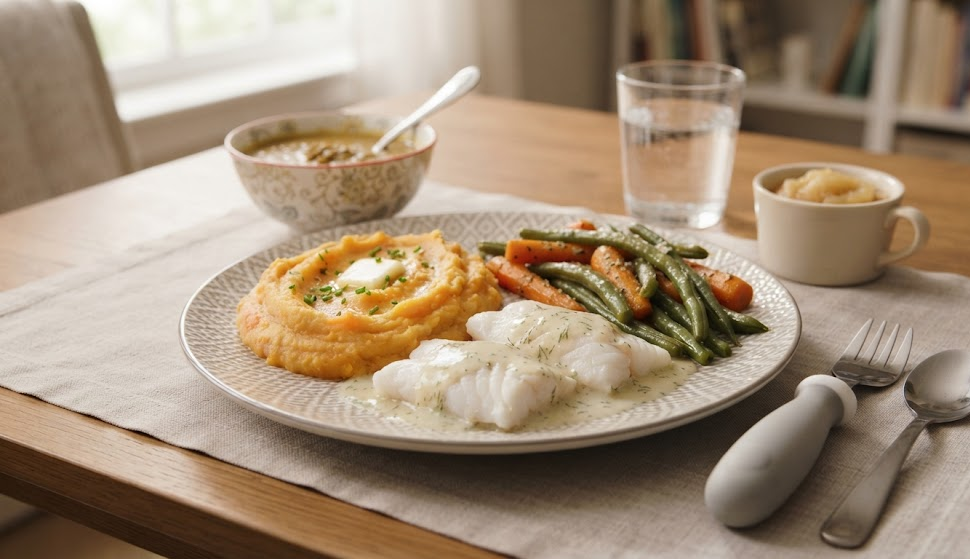
As we age, dietary needs often shift, making it essential to adapt our food choices. For seniors, the challenge of chewing can significantly alter meal experiences. Understanding easy-to-chew foods not only enhances the pleasure of dining but also ensures nutritional needs are met effectively.
Recognizing the Necessity of Easy-to-Chew Foods
As individuals progress in age, their ability to chew often diminishes. This decline can be due to various factors such as loss of teeth, poor dental health, or muscle weakening around the jaw. Such changes can lead to dietary restrictions that might compromise nutritional intake. This is where easy-to-chew foods become vital.
Defining Easy-to-Chew Foods
Easy-to-chew foods are typically moist, tender, and require minimal effort to bite or chew. These foods not only provide essential nutrients but also enhance the dining experience for seniors. They help ensure that meals remain pleasurable rather than a struggle.
Identifying Beneficial Food Categories
When considering easy-to-chew options, it’s useful to break them down into distinct categories: proteins, vegetables, fruits, starches, snacks, and desserts. Here’s an overview of each category:
Protein Sources That Are Gentle on the Teeth
Proteins are essential for maintaining muscle mass and overall health. Here are some easy-to-chew protein options:
- Ground meats (e.g., beef or chicken in gravy)
- Tender meats (like meatloaf)
- Stewed meats (such as chicken or beef)
- Canned fish (tuna or salmon mixed with mayonnaise)
- Soft scrambled eggs
- Greek yogurt and cottage cheese
Vegetables That Are Easy to Prepare
Vegetables are often rich in vitamins and minerals. For seniors, the following options can be prepared to enhance their texture for easier consumption:
- Steamed or boiled broccoli
- Carrots (either steamed or canned)
- Pureed vegetables
Exploring Soft Fruits for Nutritional Benefits
Fruits provide essential vitamins and can be delectable when prepared appropriately. Choose easy-to-chew fruits such as:
- Bananas
- Peeled peaches or plums
- Cooked apples
- Canned fruits in light syrup
Starches That Are Soft and Easy to Mash
Starches need to be soft enough to mash or chop easily. Opt for choices like:
- Mashed potatoes or sweet potatoes
- Softened rice or pasta
- Hash browns or hot cereals
Snacks and Desserts That Delight
Snacking can also be made enjoyable with easy-to-chew options. Consider these treats:
- Applesauce
- Soft cheese or hummus
- Ice cream, custard, or pudding
Foods to Avoid for Better Eating Experiences
While there is a variety of foods suitable for an easy-to-chew diet, certain items should be avoided to reduce the risk of choking or discomfort. Stay away from:
- Tough meats or raw vegetables
- Nuts and hard candies
- Sticky foods or granola
Methods to Enhance Food Texture
Transforming everyday meals into easy-to-chew dishes often requires simple culinary techniques. Here are a few methods to ease food texture:
- Cook meats slowly until they’re tender.
- Add sauces or gravy to maintain moisture.
- Steam or roast vegetables until soft enough to mash.
Testing Food for Easy Chewability
To ensure food is suitable for seniors, utilize methods like the fork pressure test or fork separation test. These techniques help ascertain the soft texture, ensuring it meets necessary chewing requirements.
Promoting Nutritional Balance with Easy-to-Chew Foods
By incorporating a variety of easy-to-chew foods into their diet, seniors can achieve a well-rounded nutritional profile. It’s essential to focus on not just the ease of consumption but also the overall balance of nutrients in their meals. Adding soft fruits, cooked vegetables, tender proteins, and nourishing grains can provide valuable vitamins, minerals, and energy throughout the day. A varied meal plan also helps make everyday eating more enjoyable while supporting overall well-being.
Food choices should align with dietary needs, making it beneficial to consult a healthcare professional for personalized advice. Adaptations in diet can significantly enhance one’s quality of life, proving that eating well is possible at any age.