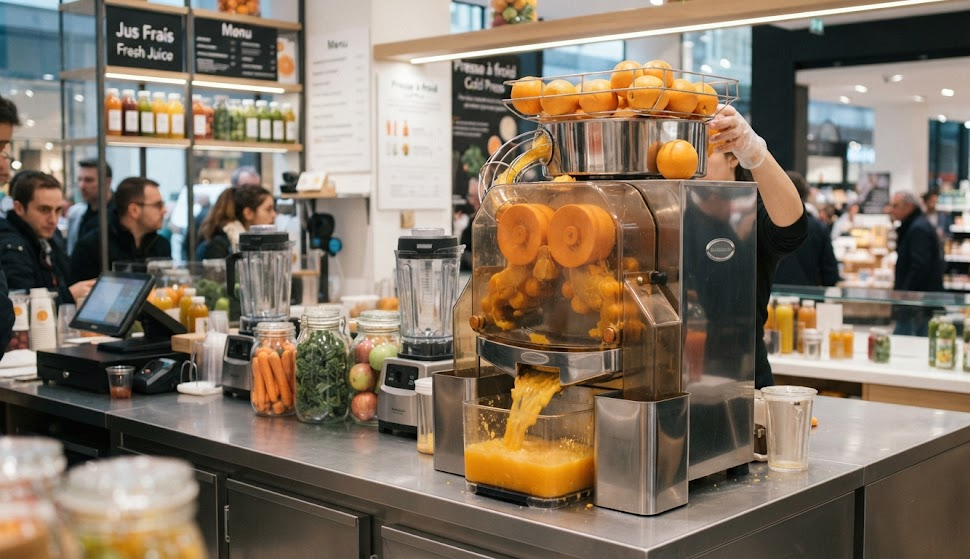
In the bustling world of commercial juicing, machine reliability is non-negotiable. Ensuring your juicer remains in peak condition not only maximizes efficiency but also guarantees the quality of juice served to customers. Knowing when to seek professional intervention can be the difference between operational success and costly downtime.
Identify Symptoms Indicating Professional Service Is Necessary
Understanding the early indicators that your commercial juicer requires professional attention is vital for maintaining its longevity and performance.
Observe Changes in Juice Quality
A primary sign that your commercial juicer needs servicing manifests in the quality of the juice produced. When juice begins to taste off or appears less vibrant, it indicates underlying issues. This may arise from:
- Faulty Components: Damaged parts can affect the extraction process.
- Pulp Build-Up: Inadequate cleaning practices may lead to residue impacting flavor.
- Settings Misconfiguration: Ensure that your machine’s settings align with the intended juicing styles for optimal results.
Monitor Performance Metrics
Regularly tracking your juicer’s operational efficiency can provide insights into its health. Look for specific performance metrics such as:
- Juicing Speed: A noticeable decrease in speed can point to mechanical issues.
- Extraction Rate: If less juice is being extracted from the same amount of produce, it may signal wear and tear.
- Noise Levels: An increase in unusual sounds, such as grinding or rattling, typically suggests immediate attention is required.
Conduct Regular Maintenance Checks
Proactive maintenance checks are an effective strategy to keep your juicer running smoothly. Here are essential maintenance activities to implement:
Daily Cleaning Protocols
Adhering to stringent cleaning protocols is paramount for functionality. Each day, ensure you:
- Disassemble Parts: Take apart the juicer for thorough cleaning.
- Clean with Soap and Water: Use mild detergent to remove any residue.
- Lubricate Moving Parts: Apply food-grade lubricant to maintain efficiency.
Monthly Deep Cleaning Routines
In addition to daily maintenance, dedicate time each month to deeper cleaning tasks, especially for models with:
- Built-in Compressors: These require special attention to prevent build-up.
- Seals and Gaskets: Check for wear and ensure proper lubrication.
- Filters: Replace or clean to maintain optimal juicing performance.
Recognize Operational Inefficiencies as Warning Signs
Some operational inefficiencies signal that your juicer might need expert attention. Distinguishing these can save significant time and money.
Evaluate Cooling Systems
If you’re operating a juicer with a refrigeration component, it’s essential to monitor its cooling efficiency. Signs include:
- Inadequate Cooling: If juicing materials begin warming up, the cooling system may be malfunctioning.
- Unusual Cycling: Frequent or unusual cycling of the compressor could indicate an underlying electrical or mechanical issue.
- Ice Build-up: Observe for ice formation which can block airflow and reduce efficiency.
Timely Response to Mechanical Issues
Acting swiftly upon noticing mechanical issues is essential. For example:
- Pumps Not Circulating: A failure in circulation pumps indicates immediate service is needed.
- Issues with Blades or Cutters: Prevent further damage by addressing these issues quickly.
- Deteriorating Parts: Regularly inspect parts for signs of wear—don’t wait until they fail completely.
Engage with Professional Services Effectively
Understanding when and how to contact a professional service provider can streamline the repair process. Here are tips to ensure effective communication:
Document Symptoms and Performance History
Before reaching out to a service agent, compile a detailed account of your juicer’s performance, including:
- Identified Symptoms: Clearly articulate any observed issues.
- Operational History: Provide details on maintenance performed and any notable changes in performance.
- Service Intervals: Note the last service date to help professionals gauge maintenance needs.
Service Selection Criteria
Choosing the right service provider is crucial. Here are factors to consider:
- Specialization: Ensure they specialize in commercial juicing equipment.
- Reputation: Research reviews and testimonials from other businesses.
- Response Time: Opt for companies that can quickly address your service requests.
Maintaining your commercial juicer is an ongoing commitment that directly impacts business success. By keeping a watchful eye on performance indicators and adhering to regular maintenance protocols, operators can mitigate issues before they escalate, ensuring a consistent supply of fresh, high-quality juice. Consulting professional services as needed will further extend the life of this critical equipment, safeguarding both productivity and customer satisfaction.