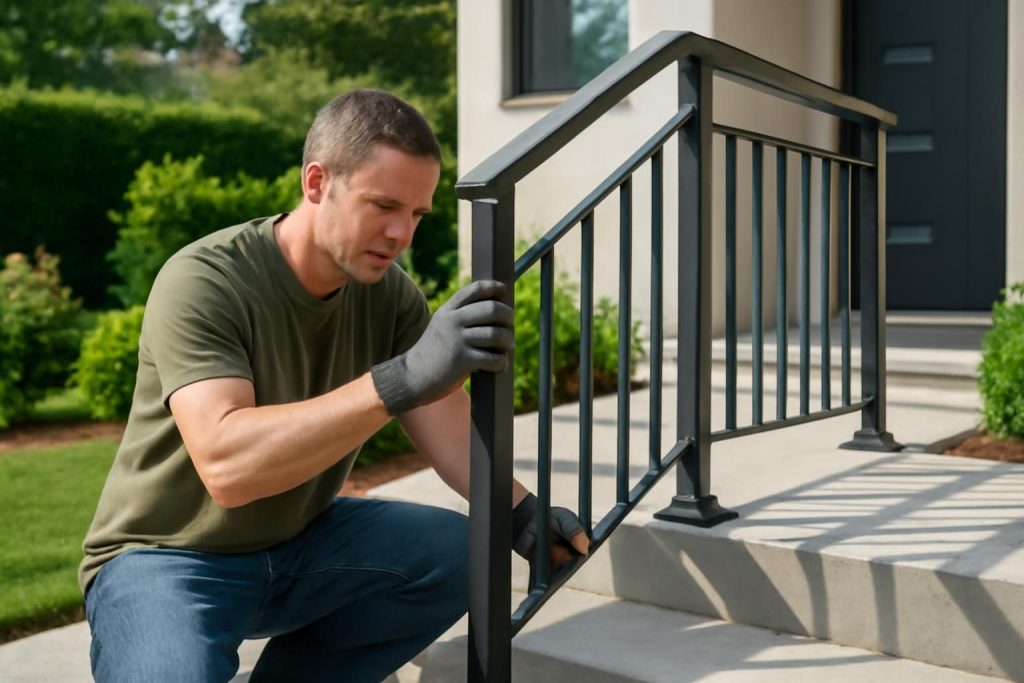
Railings play a critical role in enhancing both the safety and aesthetic appeal of a property. Proper railings installation is pivotal not just for compliance with local building regulations but also for fall protection and ensuring the well-being of residents and visitors. According to the CDC, falls remain one of the leading causes of injury among all age groups, particularly in properties with outdoor spaces like decks, porches, and stairways. This underscores the need for adherence to safety codes that govern the installation and maintenance of railings.
Key Safety Codes in Railings Installation
When installing railings, understanding the key safety codes is essential. These regulations dictate specific aspects of railings, from their height to the strength of materials used. Residential safety codes primarily focus on preventing accidents from falls and providing adequate support for individuals navigating stairs or elevated surfaces.
The most common guidelines include:
- Height Requirements: Residential railings should be a minimum of 36 inches high, measured from the walking surface to the top of the rail. In some locales, particularly commercial properties, this requirement increases to 42 inches.
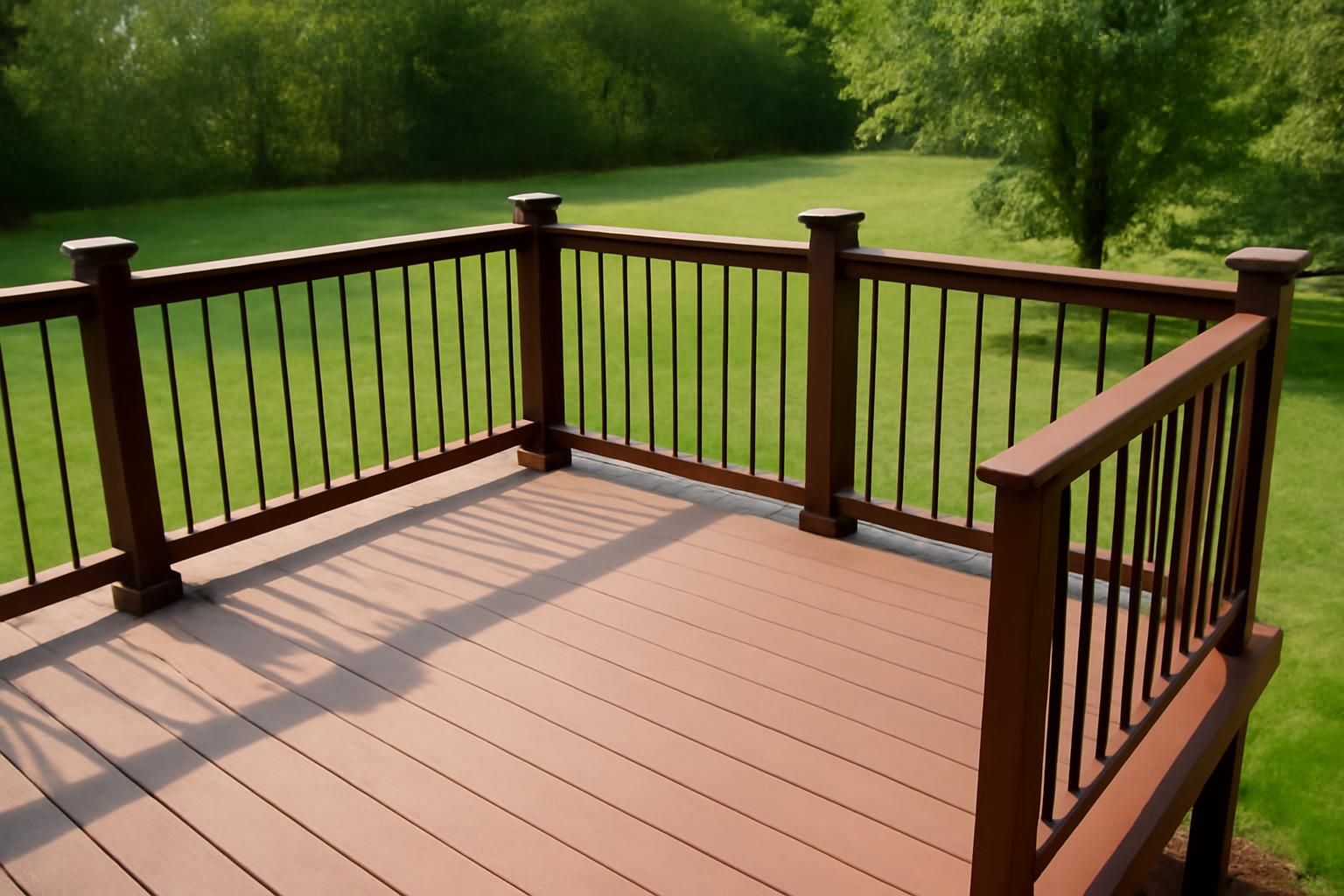
- Spacing Regulations: A critical safety measure is the spacing between vertical balusters; it must be designed such that a 4-inch sphere cannot pass through. This rule is particularly designed to protect children from slipping through gaps.
- Load-bearing Strength: Railings must withstand a specified amount of weight. Commonly, they are designed to support up to 200 pounds of weight in any direction.
Aspects like the material choice also bear great weight; metal railings may provide superior strength compared to wooden options, depending on environmental factors such as humidity and exposure to the elements. For instance, a property situated near coastal areas may require materials resistant to corrosion, aligning with specific local building regulations that address high wind speeds.
Differences Between Handrails and Guardrails
Many property owners frequently mistake handrails for guardrails and vice versa. Understanding their differences is vital for compliance with guardrail standards. A guardrail acts as a protective barrier to prevent individuals from falling off elevated surfaces, while a handrail is designed for gripping, providing support and stability on staircases. The specifications for each differ significantly.
Handrails generally must be placed between 34 and 38 inches above the stair tread nosing, allowing for a comfortable grip for almost everyone. They must also extend beyond the top and bottom of stairs to assist individuals as they navigate the steps.
In contrast, guardrails are crucial barriers needed whenever the height exceeds 30 inches above the adjacent ground. They must be robust enough to bear weight and must adhere strictly to local safety codes, ensuring they can withstand possible impacts.
Importance of Regular Inspections and Compliance Checks
Once the installation is complete, regular inspections become essential for ongoing safety and compliance. Buildings evolve, and wear and tear can affect the integrity of railings over time. It’s not enough to simply install railings according to code; property owners should commit to periodic checks to ensure that all railings remain secure, stable, and compliant with evolving construction compliance standards.
During these inspections, several key points should be evaluated:
- Secure Fastening: Ensure that all components are tightly fastened and show no signs of looseness.
- Height Verification: Regularly measure railing height to ensure it remains compliant with local regulations, particularly after weather-driven incidents.
- Check for Damage: Look for signs of rot in wood materials or rust in metal railings that could weaken the structure.
Conducting these checks not only aligns with safe practices but can also save property owners from potential liabilities related to accidents stemming from weak or compromised railings.
Choosing the Right Contractors for Railing Installation
Engaging the right professionals for your railings installation is imperative to ensure compliance with all building codes. Hiring a contractor who understands local regulations can save property owners time and headaches. When selecting a contractor, a few crucial questions to ask include:
- Are you familiar with our local building codes?
- Can you provide references from previous railing installations?
- What measures do you take to ensure compliance with code requirements?
A contractor experienced in your specific local codes will be proactive about ensuring your installations meet the latest safety standards. By prioritizing this due diligence, you not only protect your investment but also foster a safer environment for everyone who experiences your property. Partnering with a specialized provider like Lasrasy Fence can help ensure that railing systems are designed, installed, and inspected according to current safety standards and construction requirements.